What is the Best Way to Manage Agricultural Waste Sustainably?

Time:2026-08-07 Author:Charlotte
0%

Effective management of agricultural waste is crucial for sustainability. As farming practices evolve, the need to address waste management becomes more pressing. Renowned agriculture expert Dr. Jane Thompson emphasizes, "Sustainable waste management begins with understanding the entire farming ecosystem." This understanding is vital in exploring how to manage agricultural waste sustainably.

Different approaches exist for this complex challenge. Composting, for instance, transforms organic waste into valuable soil amendments. However, some farmers overlook this method, resulting in minimal benefits. Additionally, crop residue burning remains a common practice, which harms the environment. Innovative techniques, such as anaerobic digestion, can convert waste into energy but require initial investment and knowledge.

The journey towards sustainability involves continuous learning. Each farm's waste management system must be tailored to local conditions. Community involvement and education are key. Farmers often face barriers, including limited resources and knowledge. Exploring how to manage agricultural waste sustainably requires collaboration and commitment from all stakeholders. By sharing resources and information, the farming community can address these challenges effectively.
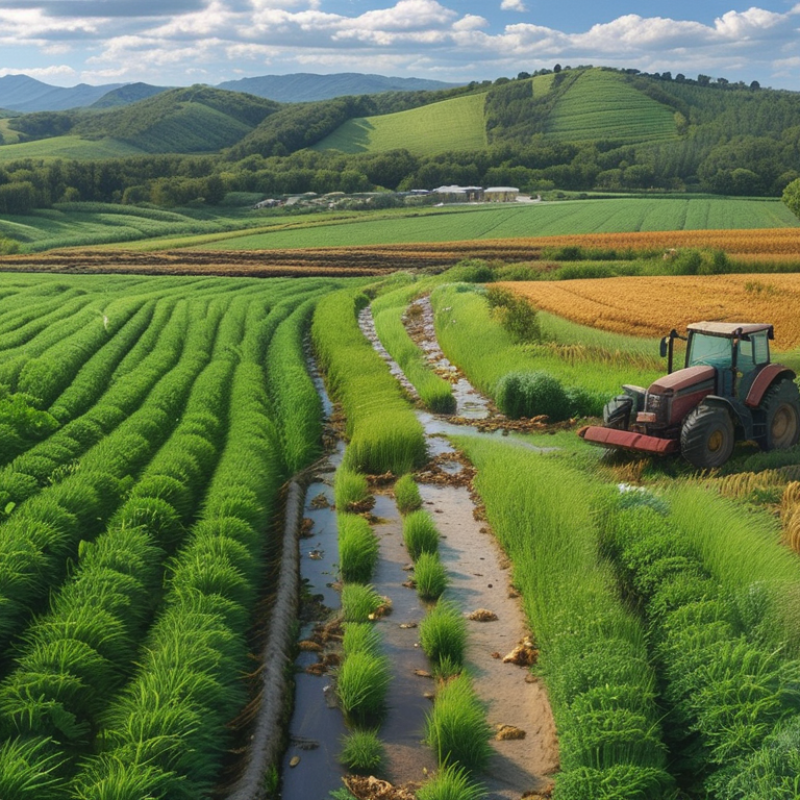
What is the Best Way to Manage Agricultural Waste Sustainably?

Understanding Agricultural Waste: Types and Sources

Agricultural waste is a significant issue that impacts the environment and farming practices. It originates from various sources, including crop residues, livestock manure, and food processing. Each type presents unique challenges for management. Crop residues, such as stalks and leaves, often remain in fields after harvest. These materials can lead to soil degradation if not properly managed.

Livestock manure is another major component. It contains valuable nutrients but can pollute water sources if mismanaged. Proper treatment is essential. Some farms have begun to adopt anaerobic digestion, transforming manure into bioenergy. This method reduces pollution while generating electricity. Yet, it requires investment and technical knowledge.

Food processing waste can also be problematic. It includes peels, seeds, and other by-products that require sustainable disposal options. Many farms are exploring composting as a solution. While composting can enrich soil, it needs careful monitoring. Risks of pathogen growth must be considered. Each type of agricultural waste has its complexities. Understanding these details is crucial for effective management strategies.

The Importance of Sustainable Management in Agriculture

Sustainable management of agricultural waste is crucial for the environment. According to the Food and Agriculture Organization (FAO), approximately one-third of food produced globally is wasted. This not only leads to economic losses but also contributes to greenhouse gas emissions. Proper waste management practices can significantly mitigate these impacts.

Composting is one effective method. It transforms organic waste into valuable fertilizer, enriching the soil. A report from the Journal of Cleaner Production indicates that composting can reduce about 30% of agricultural waste. However, many farmers still overlook this practice. Education and training on waste management are essential. Farmers need to understand the benefits of composting and how to implement it effectively.

Moreover, anaerobic digestion is another option. This process converts agricultural waste into biogas. The U.S. Environmental Protection Agency (EPA) states that biogas energy can power about 3 million homes. Despite its potential, the adoption rate is low. High initial costs and a lack of knowledge hinder progress. Continuous investment and research are necessary to promote sustainable waste management and create a more resilient agricultural sector.

Techniques for Compiling and Reducing Agricultural Waste

Agricultural waste management is crucial for sustainability. Many farmers struggle with excess crop residues. Utilizing innovative techniques can ease this issue. Composting is one effective method. It transforms organic waste into nutrient-rich soil. However, it requires proper monitoring to avoid odor problems and pest attraction.

Another strategy is anaerobic digestion. This process converts waste into biogas. While it is a great renewable energy source, it can be costly to set up. Farmers often hesitate due to the initial investment. Yet, the long-term benefits can outweigh the costs. Creating a roadmap for implementation is vital.

Additionally, crop rotation and intercropping can reduce waste. These practices enhance soil health and biodiversity. They can also lower the volume of waste produced. Despite their advantages, many farmers stick to traditional methods. Transitioning requires time and education. Awareness programs can assist in this shift. By facing these challenges, farmers can improve both their yields and environmental impact.

Innovative Technologies for Recycling Agricultural Byproducts

Agricultural waste is a major challenge globally. However, innovative technologies offer sustainable solutions for recycling agricultural byproducts. The use of anaerobic digestion converts organic waste into biogas. This renewable energy source can power farms and reduce greenhouse gas emissions. Another promising method is composting, which transforms waste into nutrient-rich soil amendments. This process improves soil health and can boost crop yields.

Biorefineries are emerging as a key player in this field. They can process various agricultural residues, such as straw and husks, into valuable products. These may include biofuels and bioplastics. However, the implementation of such technologies requires careful planning. Farmers must be educated about these options. Not all regions have access to the necessary technology or expertise.

Local conditions influence the effectiveness of these recycling methods. Nutrient recovery from wastewater is another area for exploration. However, managing water resources and contamination risks poses challenges. Continuous research and community engagement are essential. This will help farmers adopt sustainable practices effectively while addressing their unique problems. The future of agriculture may hinge on how well we manage waste today.

What is the Best Way to Manage Agricultural Waste Sustainably? - Innovative Technologies for Recycling Agricultural Byproducts

Waste Type Innovative Technology Recycling Method Environmental Benefits
Crop Residue Biomass Gasification Energy Production Reduction of greenhouse gases, renewable energy source
Livestock Manure Anaerobic Digestion Biogas Production Reduced methane emissions, nutrient recovery
Fruit and Vegetable Waste Composting Soil Amendment Improved soil health, reduced landfill waste
Plant Residues Natural Fiber Extraction Biomaterials Production Sustainable materials, reduced plastic use
Food Processing Byproducts Fermentation Technology Nutrient Supplements Valorization of waste, nutrition enhancement

Best Practices for Waste Management in Sustainable Agriculture

Agricultural waste management plays a crucial role in sustainable farming. Farmers can adopt several best practices to reduce waste and promote environmental health. Crop rotation is one method that helps maintain soil fertility while minimizing waste generation. This practice allows different crops to replenish nutrients in the soil, reducing the reliance on chemical fertilizers.

Composting organic waste is another effective strategy. By recycling plant and animal matter, farmers can create nutrient-rich soil additives. This process not only decreases landfill waste but also enriches the land, fostering healthy crops. However, proper management is vital. Relying too heavily on compost without balancing nutrients may lead to poor soil quality.

Additionally, mulching can be beneficial. It helps retain soil moisture and reduces erosion. However, if not done correctly, it can harbor pests or diseases. Farmers must evaluate their mulch sources and monitor crop health regularly. Embracing these practices requires ongoing reflection and adjustment to find the right balance between productivity and sustainability. The journey to sustainable agriculture involves learning from mistakes and adapting over time.

Best Practices for Agricultural Waste Management

This chart presents the sustainability scores of various agricultural waste management practices. The scores reflect the effectiveness of each method in promoting environmental sustainability, with composting receiving the highest score, indicating its significant benefits in waste reduction and nutrient recycling.

FAQS

: What is the importance of agricultural waste management?

: It is crucial for sustainability and helps farmers reduce excess crop residues.

How does composting help in waste management?

Composting transforms organic waste into nutrient-rich soil but needs monitoring for odors and pests.

What are the benefits of anaerobic digestion?

It converts waste into biogas, providing renewable energy but may involve high initial costs.

Why do some farmers hesitate to adopt new practices?

Many stick to traditional methods due to time constraints and lack of education on new techniques.

How can crop rotation and intercropping reduce waste?

These methods enhance soil health, biodiversity, and lower waste volume but require a mindset shift from farmers.

What role do biorefineries play in agricultural recycling?

They process residues into products like biofuels, needing careful planning and local expertise for success.

What challenges affect the implementation of recycling methods?

Not all areas have access to required technologies, and local conditions can influence effectiveness.

How does nutrient recovery from wastewater work?

It recovers valuable nutrients but poses challenges in managing water resources and contamination risks.

What is the long-term benefit of adopting innovative techniques?

They can significantly improve environmental impact and crop yields over time.

How can farmers be supported in transitioning to sustainable practices?

Awareness programs and community engagement can guide them through the necessary educational process.

Conclusion

In addressing the question of how to manage agricultural waste sustainably, it is essential to first understand the various types and sources of agricultural waste, including crop residues, livestock waste, and discarded packaging materials. Sustainable management in agriculture is crucial for minimizing environmental impact, conserving resources, and promoting agricultural productivity.

To effectively reduce agricultural waste, several techniques can be utilized, such as composting, mulching, and crop rotation. Innovative technologies, including anaerobic digestion and biochar production, offer promising avenues for recycling agricultural byproducts. Implementing best practices, like proper waste segregation and utilizing sustainable practices in crop production, can significantly enhance waste management strategies. Overall, a holistic approach focusing on sustainable waste management can lead to healthier ecosystems and more resilient farming systems.

Charlotte

Charlotte

Charlotte is a seasoned marketing professional with a deep understanding of the company's portfolio and a passion for elevating its presence in the market. With a keen eye for detail and a commitment to excellence, she ensures that our professional blog is regularly updated with insightful articles......