Composting plays a crucial role in enhancing soil health. As noted by Dr. Linda Chalker-Scott, an expert in soil science, "Healthy soil is the foundation of a healthy plant." This statement encapsulates the essence of how composting helps improve soil health.
The process of composting enriches the soil with organic matter. It introduces essential nutrients and beneficial microorganisms. These elements promote a balance within the soil ecosystem. For instance, compost improves water retention. It also enhances soil aeration, which is vital for root growth. The transformation of kitchen scraps and yard waste into nutrient-rich compost is powerful.
However, many gardeners overlook composting's importance. Some believe that chemical fertilizers are sufficient for plant growth. Yet, these products can deplete soil health over time. In contrast, composting restores the natural soil structure. It creates a living environment for plants to thrive. Understanding how composting helps improve soil health is essential for sustainable gardening. Embracing composting can lead to better crop yields and healthier plants.
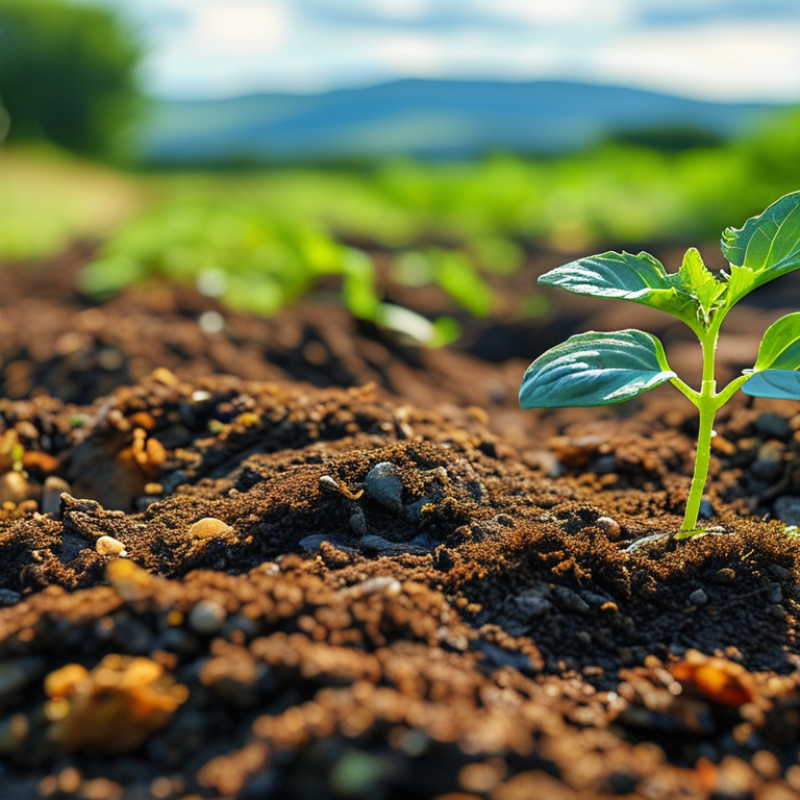
What is Composting and its Role in Soil Health?
Composting is a natural process that transforms organic waste into nutrient-rich soil. It plays a vital role in enhancing soil health. In fact, according to the U.S. Environmental Protection Agency, compost can improve soil structure, leading to better aeration and moisture retention. Healthier soils support stronger root systems. This can result in improved crop yields.
Microbial life is crucial when it comes to composting. Research from the Rodale Institute shows that compost increases beneficial microorganisms in the soil, enhancing nutrient cycling. These microorganisms break down organic matter, making nutrients like nitrogen and phosphorus more available to plants. However, composting also has challenges. If not managed correctly, it can lead to imbalances, such as excess nitrogen that may harm plant growth.
The application of compost can decrease soil erosion by improving its aggregation. A study published in the Journal of Soil and Water Conservation noted a 50% reduction in soil erosion rates in fields amended with compost compared to those without. This emphasizes the need for proper composting techniques. While the benefits are considerable, recognizing the potential pitfalls is essential for maximizing soil health through composting.
The Nutritional Benefits of Compost for Soil Composition
Composting significantly contributes to soil health through its rich nutritional profile. It enhances soil composition by introducing various essential nutrients. These include nitrogen, phosphorus, and potassium, which plants require for optimal growth. The organic matter from compost also improves soil structure. This enhancement allows for better aeration, water retention, and root development.
When compost is added, beneficial microorganisms thrive. These tiny organisms break down organic material, releasing nutrients gradually. This slow release prevents nutrient leaching and provides a steady supply over time. Healthy soil not only supports plant life but also promotes biodiversity. Various soil organisms, like earthworms, flourish in nutrient-rich environments. However, not all compost is created equal. Improper composting can lead to an imbalance of nutrients.
Monitoring the composting process is crucial. Some enthusiasts may rush it, leading to inadequate nutrient profiles. Regularly testing the compost can ensure it meets soil needs. This reflective approach can help gardeners and farmers create a balanced system. Overall, composting is a powerful way to nurture the earth, but it requires thoughtful management for the best results.
Microbial Activity in Compost and its Impact on Soil Fertility
Microbial activity in compost plays a crucial role in enhancing soil fertility. These tiny organisms break down organic materials, creating rich nutrients that plants need. When compost is added to soil, it activates beneficial microbes. These microbes help decompose complex organic matter, increasing nutrient availability.
Healthy soil contains a diverse microbial community. This diversity fosters resilience against diseases. However, not all microbial activity is positive. Some microbes can become harmful if not balanced properly. It’s important to understand the right proportions of compost for optimal growth. Excess compost can lead to nutrient overload, negatively affecting plant health.
Investing time in composting contributes to long-term soil health. Observing changes in soil structure can be insightful. Well-composted soil feels crumbly and retains moisture better. This quality supports plant growth and minimizes erosion. Engaging with composting helps gardeners reflect on their practices and outcomes. It encourages continuous learning and adaptation, leading to more sustainable gardening.
How Compost Enhances Soil Structure and Water Retention
Composting serves as a natural method to enhance soil structure significantly. When organic materials decompose, they create a crumbly texture, which helps form stable aggregates. These aggregates allow air and water to move through the soil more effectively. Healthy soil should feel loose, not compacted or heavy. Inadequate structure can stifle plant growth and reduce crop yields. Observing soil quality closely can reveal these crucial differences.
Another vital aspect of composting is its impact on water retention. Compost improves soil’s ability to hold moisture. This is particularly beneficial for gardens or farms in dry climates. Water moves slowly through compost-rich soil, making it available for plants longer. It acts like a sponge, retaining water and making it accessible simultaneously. During drought periods, this quality becomes ever more essential. However, too much compost can lead to waterlogging, which can create other issues. Balancing compost application requires careful observation.
Cultivating a healthy garden means continuously learning about soil health through observation. The relationship between compost and soil structure is intricate and multifaceted. Experimenting with compost ratios and observing their effects on growth can provide valuable insights. Reflecting on these experiences can offer wisdom for future planting seasons. Soil health is not static; it requires ongoing attention and adaptation.
How Does Composting Enhance Soil Health for Better Growth?
This chart illustrates the impact of composting on soil health, focusing on soil structure and water retention. The data reflects the percentage improvement in various soil health metrics after the application of compost compared to untreated soil.
Long-term Effects of Composting on Soil Ecosystems and Plant Growth
Composting significantly bolsters soil health, leading to improved plant growth over time. The microbial activity in compost enhances nutrient cycling. This creates a diverse soil ecosystem, enriching the overall environment. With consistent compost application, soil structure improves, increasing aeration and water retention. These changes foster a thriving habitat for beneficial organisms.
Soil enriched with compost shows long-term benefits. The presence of organic matter supports the growth of earthworms and other organisms. Their activity further aerates the soil, allowing plant roots to penetrate deeper. Over time, plants become more resilient against pests and diseases, thanks to a healthier foundation.
For effective composting, start with a mix of green and brown materials. Add kitchen scraps and dried leaves for balance. Monitor moisture levels to ensure your compost stays active. Don't hesitate to experiment with different combinations; each garden is unique. Test your soil regularly to understand its evolving needs.
How Does Composting Enhance Soil Health for Better Growth? - Long-term Effects of Composting on Soil Ecosystems and Plant Growth
| Soil Property |
Before Composting |
After 1 Year of Composting |
After 3 Years of Composting |
| Organic Matter Content (%) |
3.5 |
6.2 |
8.7 |
| Soil pH |
7.2 |
6.8 |
6.5 |
| Nutrient Content (N, P, K in mg/kg) |
150, 25, 100 |
250, 50, 160 |
300, 75, 200 |
| Water Retention Capacity (%) |
20 |
25 |
30 |
| Soil Microbial Activity (CFU/g) |
1.2 x 10^6 |
2.5 x 10^6 |
3.8 x 10^6 |
Conclusion
Composting is a natural process that transforms organic waste into nutrient-rich material, playing a vital role in enhancing soil health. One of the primary benefits is the nutritional boost compost provides to soil composition, supplying essential nutrients that promote plant growth. Moreover, how does composting help improve soil health extends to its ability to foster microbial activity, which is crucial for soil fertility. This increased microbial presence enhances the biological processes necessary for nutrient availability.
Additionally, compost improves soil structure by enhancing its aeration and promoting better water retention. These factors contribute to a more resilient soil ecosystem capable of supporting diverse plant life. Over the long term, the incorporation of compost leads to sustained improvements in soil health, ensuring robust plant growth and thriving agricultural practices. Ultimately, the benefits of composting reinforce the importance of organic waste recycling, contributing positively to both agricultural productivity and environmental sustainability.

 AgBio Energy