Organic waste diversion is becoming a practical test of sustainability, not merely a waste-management preference. It redirects food scraps, garden trimmings, and other biodegradable materials away from disposal sites. These materials can become compost, biogas, or soil amendments when systems are managed properly. Why is organic waste diversion important for sustainability? The answer connects climate protection, resource recovery, soil health, and community resilience.
The United Nations Environment Programme reported that 1.05 billion tonnes of food were wasted globally in 2022. This waste occurred across households, food service, and retail operations. The World Bank’s What a Waste 2.0 report estimates that organic materials represent about 44% of global municipal solid waste. When buried, organic waste can generate methane as it decomposes without oxygen. Methane traps far more heat than carbon dioxide over short periods, according to the Intergovernmental Panel on Climate Change.
A well-designed diversion program makes this issue visible. A kitchen caddy fills with vegetable peels, coffee grounds, and wilted herbs. A separate collection truck carries them to an industrial composting site. The finished compost can support crops, parks, and drought-sensitive landscapes. Anaerobic digestion can also produce renewable biogas and nutrient-rich digestate. The U.S. Environmental Protection Agency identifies source reduction, donation, and organics recovery as preferred strategies in its Wasted Food Scale.
However, diversion is not automatically sustainable. Contaminated loads reduce recovery quality. Long transport distances can weaken climate benefits. Local data matters. Effective programs need clear collection rules, trained staff, reliable facilities, and transparent performance reporting. The strongest approach remains imperfect, but measurable improvement is better than treating organic materials as worthless waste.
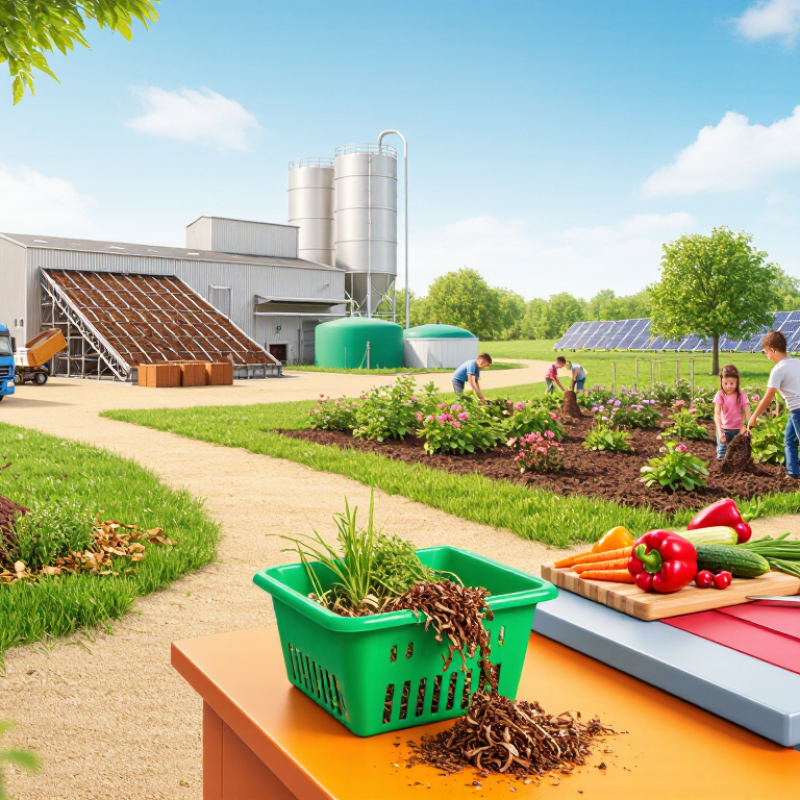
What Organic Waste Diversion Means
Organic waste diversion means keeping food scraps, yard trimmings, and other biodegradable materials away from landfills. These materials can move into composting, anaerobic digestion, animal-feed recovery, or controlled soil-building programs. The goal is not simply moving waste elsewhere. It is choosing a safer, more useful destination based on local facilities and processing standards.
In practice, diversion begins with clear separation. A kitchen may use one container for vegetable peels, coffee grounds, and eggshells. A garden may collect leaves and small branches separately. Clean sorting matters because plastic film, batteries, and chemicals can damage processing equipment. Composting can produce a soil amendment, while anaerobic digestion can create biogas and nutrient-rich residue. Results depend on moisture, temperature, collection frequency, and careful monitoring. Small mistakes happen. A single contaminated load can reduce its value.
Tips: Keep a small, covered container near food preparation areas. Empty it before odors develop. Check local collection rules before adding meat, liquids, or certified compostable items. Weighing weekly organic waste can reveal useful patterns, although household records are rarely perfect. Start with one reliable habit, such as separating coffee grounds every morning. Then adjust the system after observing pests, smells, or missed collections.
Top Benefits of Organic Waste Diversion for Sustainability - What Organic Waste Diversion Means
Organic waste diversion means collecting biodegradable materials separately from general waste and directing them to composting, anaerobic digestion, food recovery, or other beneficial uses instead of disposal in landfills or incinerators.
| Organic Waste Stream |
Recommended Diversion Route |
Primary Sustainability Benefit |
Relevant Measurable Indicator |
Verified Fact or Reference Point |
| Food scraps and leftovers |
Food rescue, animal-feed processing where permitted, composting, or anaerobic digestion |
Reduces wasted food and prevents biodegradable material from being landfilled |
Kilograms of food waste recovered or diverted per month |
The United Nations estimated that 1.05 billion tonnes of food waste were generated at the retail, food-service, and household levels in 2022. |
| Yard trimmings and leaves |
Aerobic composting, mulching, or beneficial land application |
Returns organic matter to soil and reduces demand for synthetic soil amendments |
Finished compost or mulch produced per tonne of feedstock |
Compost adds organic matter and nutrients to soil and can support improved soil structure and water retention. |
| Manure and agricultural residues |
Anaerobic digestion or controlled composting |
Produces renewable biogas and nutrient-rich digestate or compost |
Cubic metres of biogas produced and percentage of methane captured |
Biogas commonly contains approximately 50%–75% methane, with the balance consisting mainly of carbon dioxide and trace gases. |
| Paper towels and uncoated fiber-based organics |
Commercial composting, where accepted by local regulations and facility specifications |
Reduces residual waste and keeps biodegradable carbon in a managed treatment system |
Diversion rate by weight and contamination rate |
Successful composting programs require source separation and contamination control because plastics and chemicals can reduce compost quality. |
| Organic processing residues |
Anaerobic digestion, composting, or recovery of usable materials |
Conserves resources and reduces the need for disposal capacity |
Landfill disposal avoided per year |
Waste prevention and reuse generally rank above recycling and disposal in the waste hierarchy because they avoid impacts earlier in the material life cycle. |
| Mixed source-separated organics |
Integrated composting or anaerobic digestion facility |
Lowers the volume of organic material entering landfills and may reduce methane emissions |
Tonnes diverted and estimated greenhouse-gas emissions avoided |
Methane has a much higher warming effect than carbon dioxide over a 100-year assessment period; the IPCC AR6 reports a global warming potential of approximately 27–30 for fossil and non-fossil methane, respectively. |
| Compostable material after treatment |
Use of finished compost in landscaping, agriculture, or soil restoration |
Supports soil health and can reduce erosion and irrigation demand |
Compost applied, soil organic matter, and irrigation demand |
The water-retention benefit varies with soil type, compost quality, application rate, and climate; therefore, local field measurements are recommended. |
Note: Actual environmental performance depends on collection distance, contamination, facility efficiency, energy use, end use of compost or digestate, and local regulations. Indicators should be measured using consistent weighing and reporting methods.
How Organic Waste Diversion Works
Organic waste diversion begins where waste is produced. In a kitchen, staff place food scraps, coffee grounds, and soiled paper into a separate bin. Clean separation matters. Plastic contamination can reduce compost quality and damage processing equipment. Clear labels, smaller bins, and regular collection help people follow the system during busy hours.
Collected material usually travels to a composting or anaerobic digestion facility. Workers inspect incoming loads and remove visible contaminants. Composting mixes organic waste with dry carbon materials, such as leaves or wood chips. Air, moisture, and temperature must remain within suitable ranges. Operators turn the piles or use forced airflow to support decomposition. The process creates stable compost for soil improvement.
Anaerobic digestion works differently. Microorganisms break down organic matter without oxygen inside sealed tanks. This produces biogas and a nutrient-rich digestate. Facility teams monitor gas output, odors, temperature, and contamination records. Small mistakes still matter. A wet bin may leak, while excessive food waste can create odors. Some collection systems also underestimate staff training and seasonal changes. Practical audits, measured results, and honest adjustments make diversion more dependable.
Environmental Benefits of Diverting Organic Waste
Diverting organic waste from disposal sites can deliver measurable environmental benefits. The World Bank’s What a Waste 2.0 report estimates that food and green waste represent about 44% of global municipal solid waste. When these materials are buried, oxygen-poor conditions encourage methane formation. Methane traps far more heat than carbon dioxide over a 20-year period. That makes everyday leftovers, leaves, and grass clippings a climate issue.
Composting changes the pathway. Properly managed composting returns carbon and nutrients to soil, while reducing the volume sent to landfills or incinerators. The United Nations Environment Programme reported that 1.05 billion tonnes of food were wasted in 2022.
It also estimates that food loss and waste create 8–10% of global greenhouse gas emissions. Keeping edible food out of the waste stream matters most. However, composting remains valuable for unavoidable scraps, such as banana peels and coffee grounds.
Anaerobic digestion can produce biogas from separated organics, replacing some fossil energy and creating a nutrient-rich digestate. Results depend on clean collection and reliable facility controls. Contaminated loads can weaken the benefits. This is where plans often fail. A 2023 waste audit may look impressive, yet poorly sorted bins can send recoverable material back to disposal. Communities should measure contamination, methane reductions, soil outcomes, and transport emissions, not diversion rates alone. UNEP’s Global Waste Management Outlook 2024 also warns that waste systems need prevention, reuse, and better infrastructure together.、】【
Economic and Community Advantages
Organic waste diversion can strengthen local economies when food scraps and yard trimmings stay in the community. Instead of occupying landfill space, these materials can support compost production, soil improvement, and local landscaping work. Collection, sorting, processing, and delivery also create practical jobs that cannot be outsourced easily.
Small savings matter. Restaurants may reduce disposal fees by separating heavy food waste from general trash. Schools and housing communities can lower hauling costs when collection routes are planned carefully. The financial results depend on local fees, participation rates, and contamination levels. A clear weighing system helps operators track real savings rather than relying on optimistic estimates.
Community benefits are less visible but equally important. Local compost can help gardens, tree projects, and small farms retain moisture during dry periods. Residents may also gain useful skills through workshops on safe separation and home composting. Trust takes time. People notice overflowing bins, unpleasant odors, or confusing instructions, and these problems can weaken participation quickly. Practical programs need clean containers, regular pickup, and simple signs in commonly spoken languages. Operators should record contamination, missed collections, and resident feedback, then publish the findings in accessible reports. The process is imperfect. Some neighborhoods may receive better service because they have more space or stronger local leadership. Fair planning requires reviewing those gaps before expanding the program.
Challenges and Best Practices for Sustainable Diversion
Organic waste diversion can reduce landfill pressure, but sustainable results depend on daily systems, not good intentions alone. Food scraps, coffee grounds, and yard trimmings require separate handling from the moment they are discarded. In workplace and community programs, clear bin labels often prevent contamination better than lengthy instructions. Yet mistakes remain common. A plastic-lined container can spoil an entire collection load.
The main challenge is consistency. Collection schedules, storage space, odors, pests, and staff participation can disrupt a well-designed plan. Sustainable diversion works best when managers measure contamination, train users regularly, and adjust procedures after inspections. Small indoor bins should be emptied before they become wet or unpleasant. Outdoor containers need secure lids and washable surfaces. Data matters. Weighing weekly material volumes can reveal seasonal changes and unrealistic targets. No system works perfectly.
Tips: Place disposal bins beside the waste they replace. Use simple signs with pictures and three or four accepted items. Keep a written cleaning schedule. Review contamination findings with staff, rather than blaming individuals. Test the program in one area before expanding it. A pilot may expose weak assumptions, which is useful. If residents or employees cannot explain the process in one sentence, the system is probably too complicated.
Top Benefits of Organic Waste Diversion for Sustainability
Challenges and best practices for sustainable diversion
In the United States, yard trimmings achieved a substantially higher recovery rate than food waste in 2018. Expanding food-waste collection, reducing contamination, and improving access to composting can increase diversion, reduce landfill methane formation, and return nutrients to soil.
Source: U.S. Environmental Protection Agency, Municipal Solid Waste Generation, Recycling, and Disposal in the United States: Facts and Figures for 2018. Recovery rates represent the share of material generated that was recovered through recycling or composting.
Conclusion
Organic waste diversion means keeping food scraps, yard trimmings, and other biodegradable materials out of landfills by directing them toward composting, anaerobic digestion, animal feed where appropriate, or other responsible recovery methods. The process typically involves separating organic materials at the source, collecting them efficiently, treating them under controlled conditions, and using the resulting compost or renewable energy product. This approach reduces landfill volume, limits methane emissions, improves soil health, conserves resources, and supports a more circular system of production and consumption. Understanding why is organic waste diversion important for sustainability helps communities recognize that discarded organic materials can become valuable resources rather than environmental burdens.
Beyond environmental gains, diversion programs can create local jobs, reduce waste management costs over time, support soil restoration, and strengthen community participation. Successful implementation depends on clear sorting instructions, convenient collection services, suitable processing facilities, contamination control, public education, and consistent monitoring. Although challenges such as limited infrastructure, funding needs, odors, and incorrect disposal can slow progress, practical planning and cooperation among households, businesses, and local authorities can make organic waste diversion an effective long-term sustainability strategy.

 AgBio Energy