In the contemporary era of environmental stewardship, Aerobic Digestion (AD) has transitioned from a niche waste management process to a cornerstone of the Global Circular Economy. Governments and industries worldwide are grappling with the dual challenges of methane emission reduction and soil degradation. CE certified aerobic digestion units represent the technological vanguard in this battle, offering a controlled, rapid, and hygienic method to stabilize organic matter.
Unlike anaerobic processes that often require massive footprints and complex gas handling, modern aerobic systems focus on high-speed nutrient recovery. From the European Union’s strict "Waste to Energy" directives to North America's burgeoning organic diversion mandates, the demand for CE-certified machinery is surging. Compliance ensures not just safety, but a standardized level of engineering excellence that global procurement officers prioritize in 2024 and beyond.
Chengdu AgBio Energy Co., Ltd. stands at this intersection of policy and technology. By integrating AI-driven monitoring with robust mechanical engineering, we provide more than just equipment—we provide a scalable solution for carbon sequestration and renewable fertilizer production. Our systems are engineered to reduce "Information Loss" in the composting process, ensuring every batch meets rigorous sanitary standards.
Chengdu AgBio Energy Co., Ltd. is a professional manufacturer specializing in organic waste composting equipment, food waste recycling systems, and sustainable waste treatment solutions. Established in 2013 and headquartered in Chengdu, Sichuan Province, China, the company is dedicated to helping businesses, agricultural operations, municipalities, and environmental service providers transform organic waste into valuable resources.
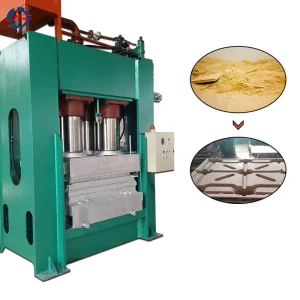
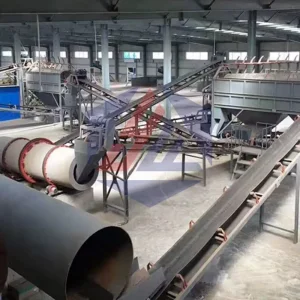
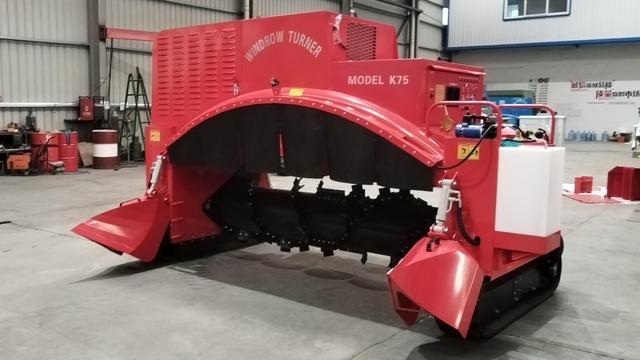
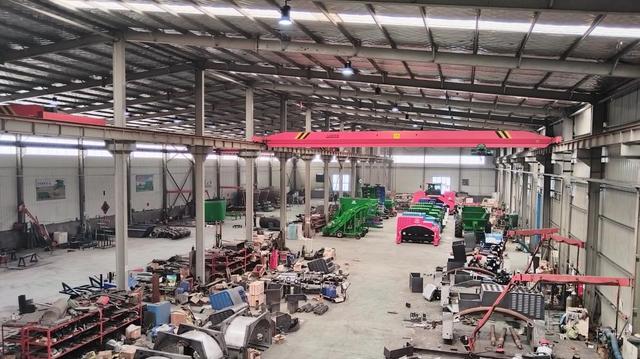
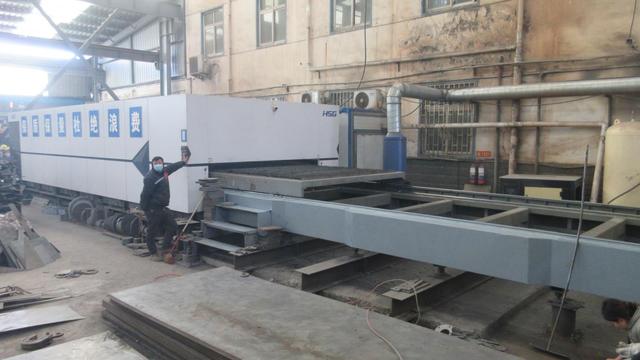
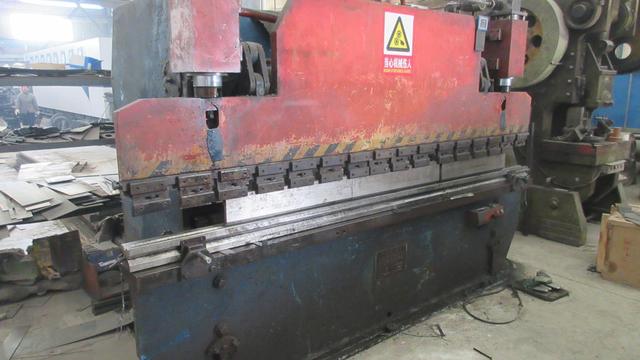
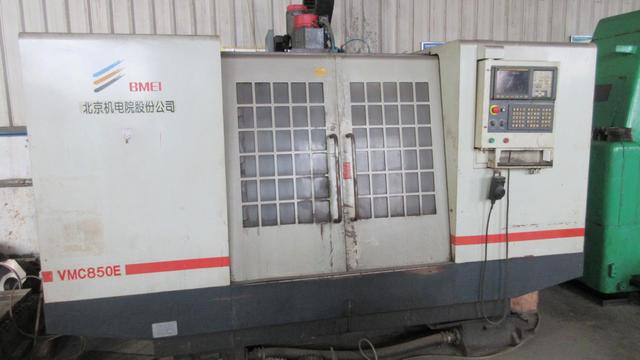
Our production hub utilizes state-of-the-art assembly lines and testing facilities to ensure every unit leaving our floor meets global reliability benchmarks.
Our team comprises environmental engineers, process optimizers, and technical specialists dedicated to the advancement of bio-waste technology.
Customized waste treatment solutions tailored to specific project requirements, processing capacities, and unique operational environments worldwide.
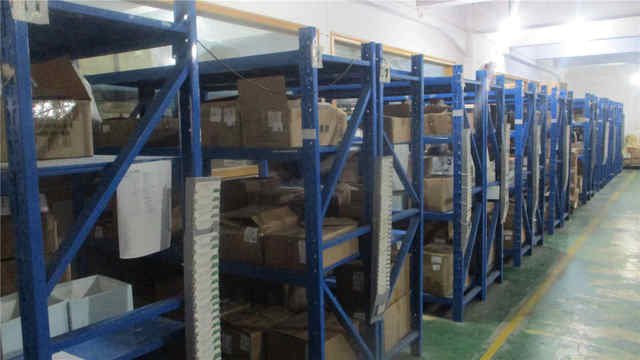
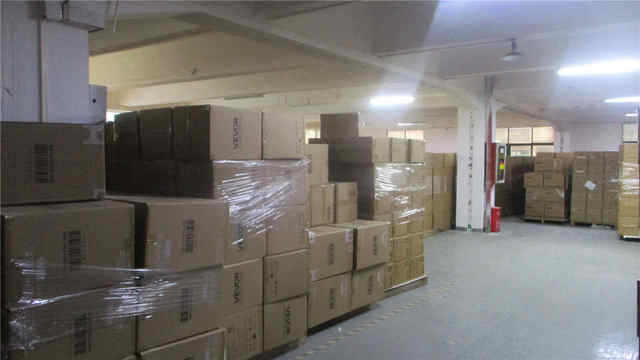
Located in the heart of Sichuan's industrial corridor, AgBio Energy leverages a highly integrated supply chain. This proximity to raw materials and specialized component manufacturers allows for a 30% reduction in lead times compared to Western counterparts, without compromising on "CE" quality standards.
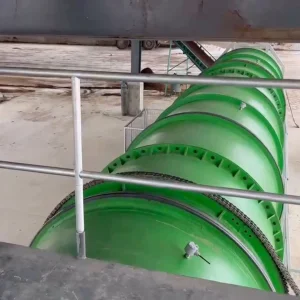
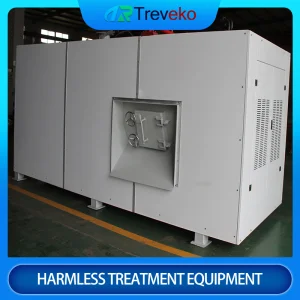
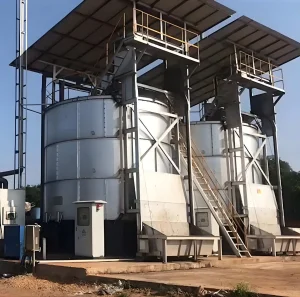
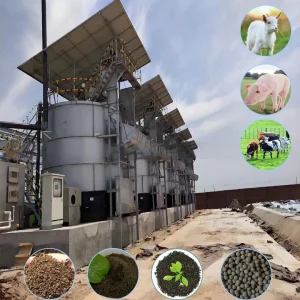
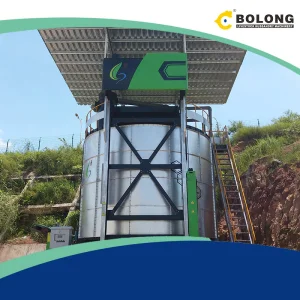
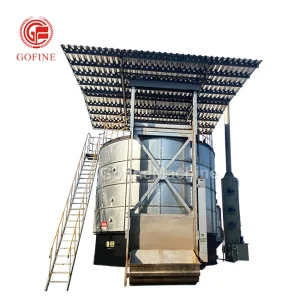
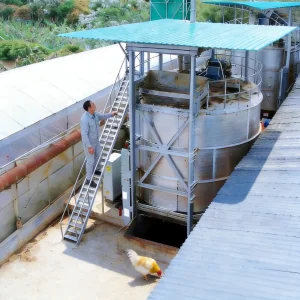
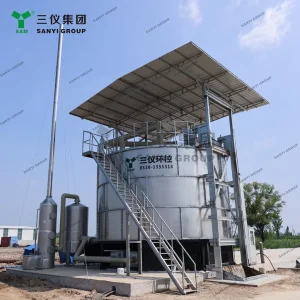
Our aerobic digestion units utilize advanced stainless steel bioreactors and intelligent fermentation vessels. By applying AI-IoT sensors, our machines dynamically adjust oxygen flow and temperature, achieving a 1-3 day cycle for bedding regeneration—a feat that traditionally takes weeks in natural composting.
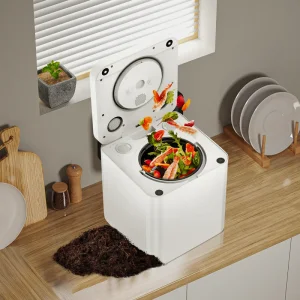
Efficiency in China isn't just about speed; it's about scalability. Whether you need a 5.2-liter smart bin for a boutique hotel or a 2500kg/day municipal system, our manufacturing modularity ensures competitive pricing for top-tier industrial specifications.
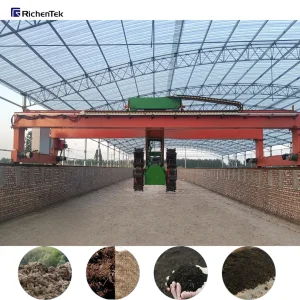
Managing poultry mortality and livestock manure (cow/chicken) through rapid-cycle aerobic tanks. This transforms potential pathogens into bio-secure, nutrient-rich fertilizer for onsite crop application.
Processing Municipal Sludge and sewage treatment byproduct. Our aerobic systems reduce sludge volume by up to 70%, significantly lowering landfill disposal costs and odors.
On-site kitchen waste fertilizer machines for hotels and shopping malls. By treating food waste at the source, businesses eliminate the carbon footprint associated with waste transport.
The industry is moving toward Decentralized Bio-waste Management. Rather than hauling heavy, moisture-laden organic waste to central plants, enterprises are adopting modular, onsite digestion units. This shift is driven by:
 AgBio Energy