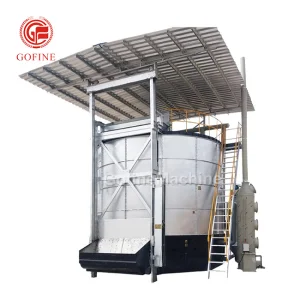
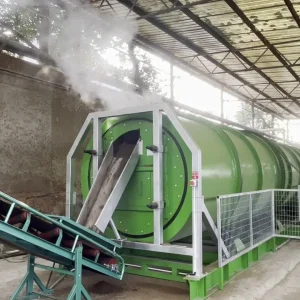
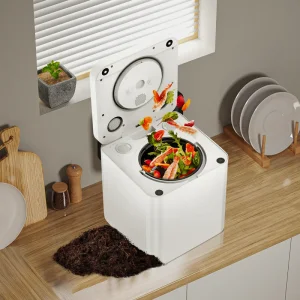
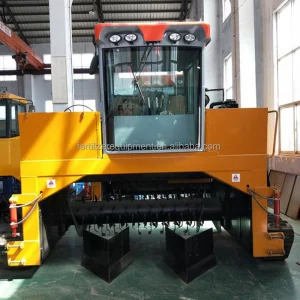
Modern waste management has shifted from centralized landfills to Decentralized Compartmentalized Processing. This transition is driven by the global mandate for carbon neutrality and the Circular Economy. By treating waste at the source—be it a farm, a hotel, or a municipal hub—organizations reduce logistics costs and secondary pollution. Our equipment represents the pinnacle of this shift, integrating AI-driven monitoring to optimize aerobic fermentation cycles.
Global enterprises in the EU, North America, and Southeast Asia are increasingly seeking CE-certified modular systems. The demand is no longer just for "disposal" but for "valorization"—turning food waste and manure into high-grade organic fertilizer. Procurement officers prioritize "Plug-and-Play" installations, energy efficiency, and low-maintenance designs that can withstand corrosive environments.
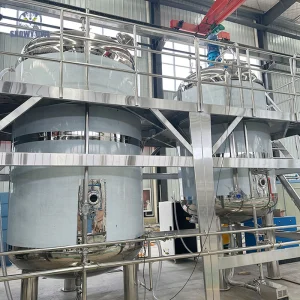
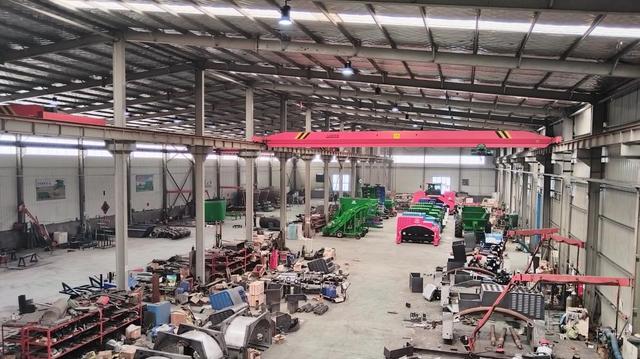
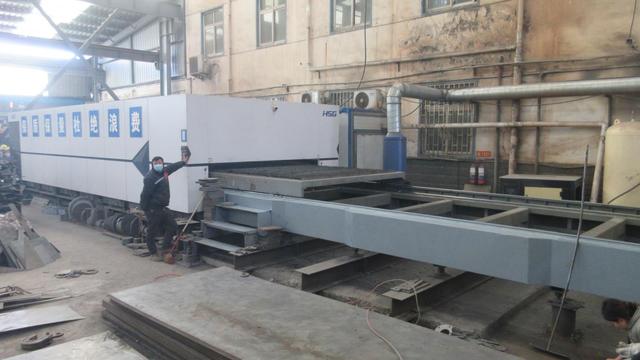
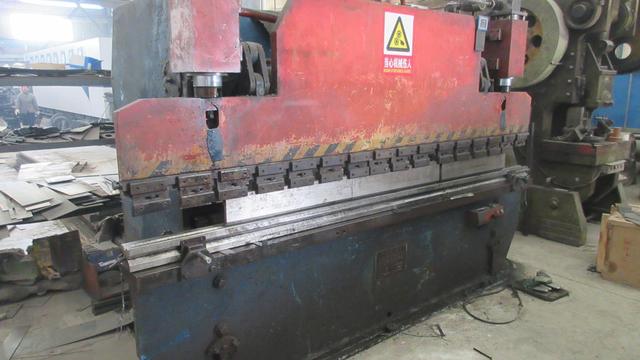
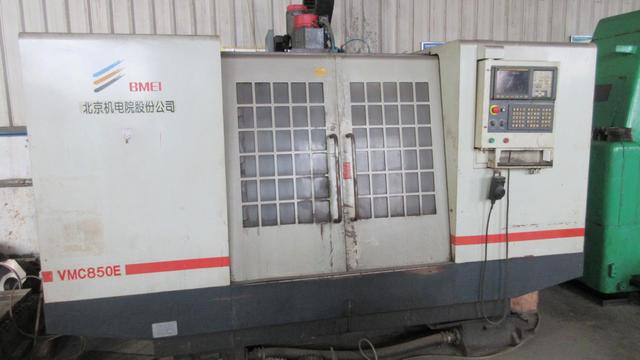
Headquartered in Chengdu, AgBio Energy operates a 16,000 sqm Smart Manufacturing Hub. By utilizing Supply Chain 4.0 principles, we ensure resilience against global market fluctuations. Our integration of robotic welding, automated testing, and IoT-enabled predictive maintenance ensures that every piece of machinery exported meets rigorous international standards with a significant cost-to-performance advantage.
Established in 2013, Chengdu AgBio Energy Co., Ltd. is a professional manufacturer specializing in organic waste composting equipment, food waste recycling systems, and sustainable waste treatment solutions. We are dedicated to helping businesses, agricultural operations, municipalities, and environmental service providers transform organic waste into valuable resources.
With a modern manufacturing facility covering more than 16,000 square meters and a team of over 230 employees, AgBio Energy delivers efficient and environmentally responsible waste management technologies to customers around the world. Our solutions are widely used in farms, food processing facilities, restaurants, hotels, commercial waste treatment centers, and agricultural cooperatives.
Global Specialists
Production Base
Industry Expertise
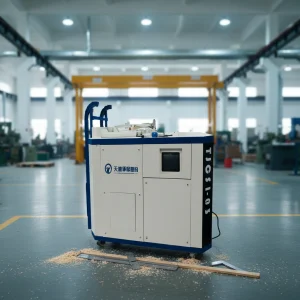
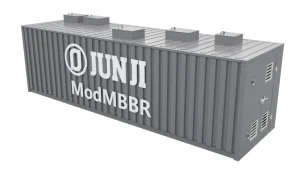
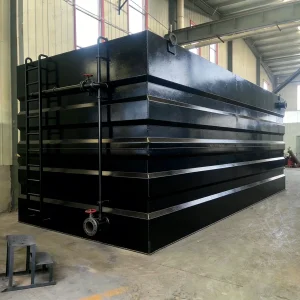
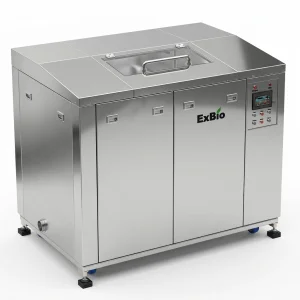
Our Modular Hospital Wastewater Treatment Systems (10-100m³) and Commercial Food Waste Digesters (50kg-750kg) are designed for fast deployment in sensitive environments. Hotels and B&Bs benefit from space-saving designs that process waste on-site, eliminating the need for expensive hauling services.
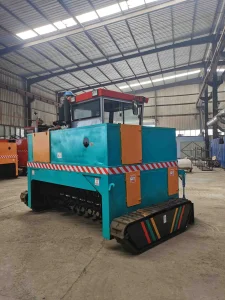
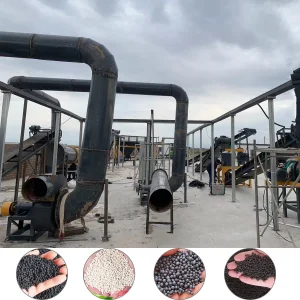
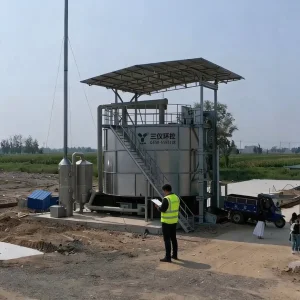
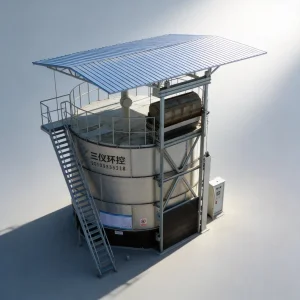
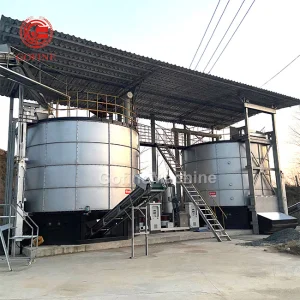
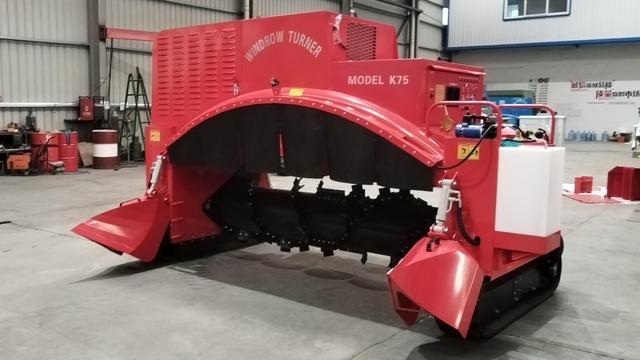
From Automatic Cow Dung Compost Turners to Poultry Manure Composting Tanks, we provide end-to-end solutions for livestock bedding management. These systems convert raw manure into pathogen-free organic fertilizer in as little as 24 hours, enhancing soil health and farm profitability.
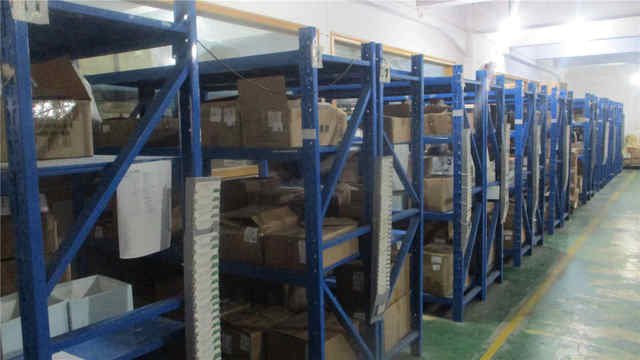
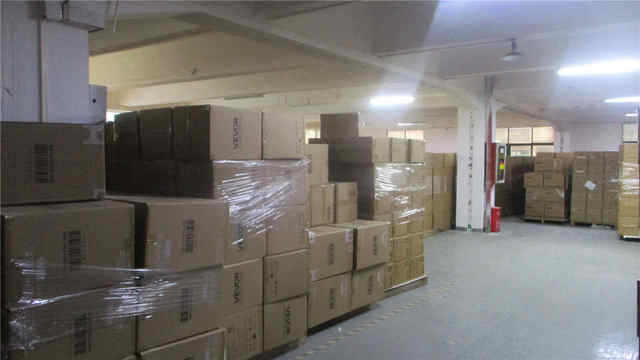
AgBio Energy integrates engineering expertise, process optimization, and advanced manufacturing technologies. Our strict quality management procedures are implemented throughout product development, installation, and support, ensuring your project remains on schedule regardless of global logistical challenges.
A: Unlike traditional windrow composting, compartmentalized processing uses sealed, aerobic fermentation tanks. This allows for precise control of temperature, moisture, and oxygen levels, resulting in 10x faster decomposition, zero odor emissions, and a smaller footprint. It is the ideal choice for urban or space-constrained industrial environments.
A: Yes, our equipment is CE Certified and adheres to ISO9001 quality management standards. We design our systems to meet stringent wastewater discharge and organic fertilizer quality regulations in regions like North America, Australia, and the European Union.
A: Absolutely. AgBio Energy offers robust OEM and ODM services. We can customize the capacity (from 50kg to 100 tons per day), the materials of construction (e.g., anti-corrosion carbon steel or stainless steel), and the automation levels to suit your specific operational environment.
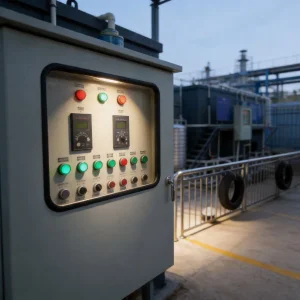
A: Our intelligent system uses sensors to track the health of the fermentation process in real-time. It automatically adjusts the turning frequency and air injection, reducing labor costs by up to 70% while ensuring the final organic fertilizer is consistent in nutrient value.
 AgBio Energy