In the contemporary era of environmental stewardship, the transition from a linear "take-make-dispose" model to a Circular Economy is no longer optional—it is a strategic necessity. Organic waste, often viewed as a liability, is increasingly recognized as a high-value precursor for renewable energy and organic soil amendments. Chengdu AgBio Energy Co., Ltd. stands at the forefront of this industrial shift, offering CE Certified Organic Waste Collection Systems that bridge the gap between waste generation and resource recovery.
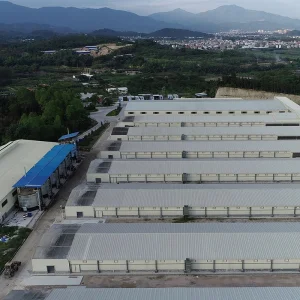
Established in 2013, our 16,000-square-meter facility in Chengdu integrates cutting-edge engineering with sustainable process optimization. With over 230 specialists, we don't just manufacture machines; we engineer environmental ecosystems.
Our systems serve farms, municipalities, and commercial sectors worldwide. By maintaining strict CE certification standards, we guarantee operational safety, environmental compliance, and long-term durability in diverse climates.
The global organic waste management market is undergoing a seismic shift driven by three primary catalysts: Carbon Neutrality mandates, AI-Integrated Processing, and Decentralized Treatment.
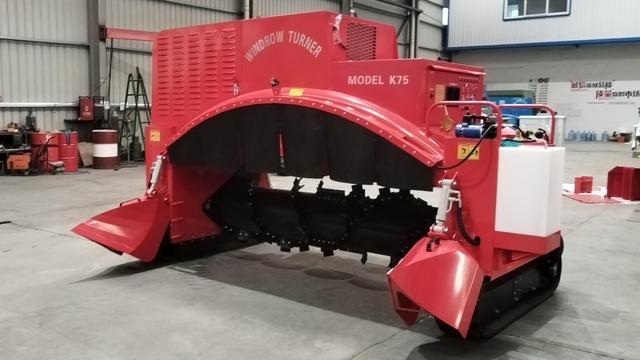
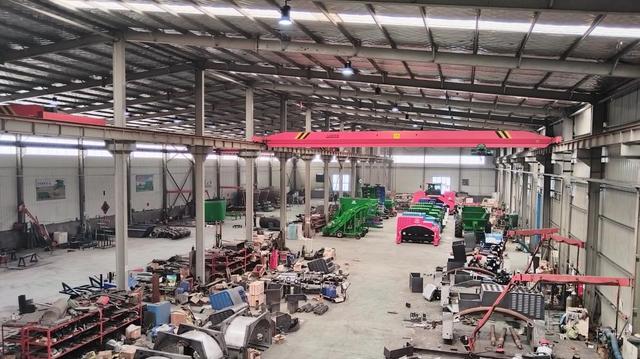
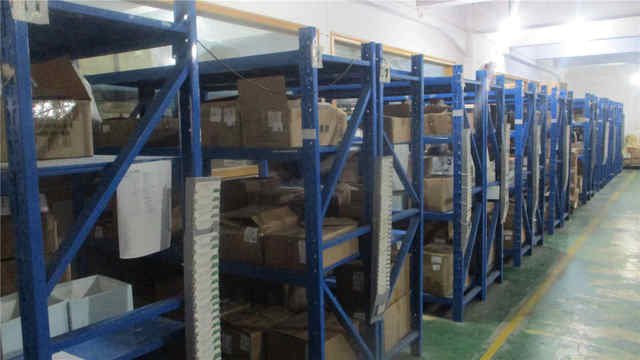
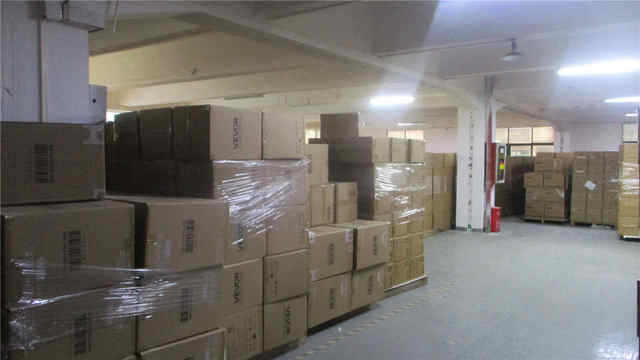
For global enterprises and municipal governments, the challenge of organic waste is multi-dimensional. Our comprehensive technical roadmap provides a modular approach to waste management:
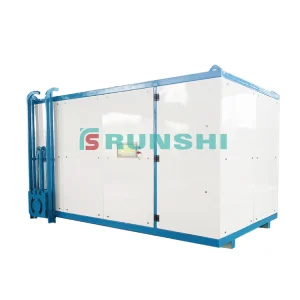
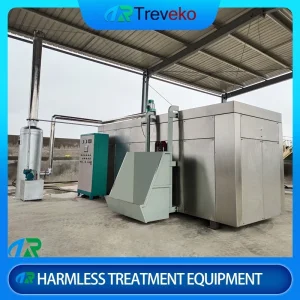
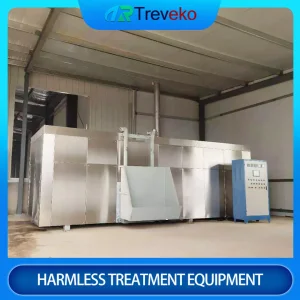
Hotels and malls generate high volumes of food waste. Our rapid biodegradation systems reduce waste volume by up to 90% within 24 hours, eliminating odors and reducing landfill fees.
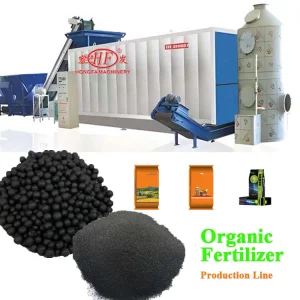
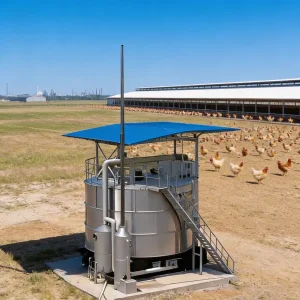
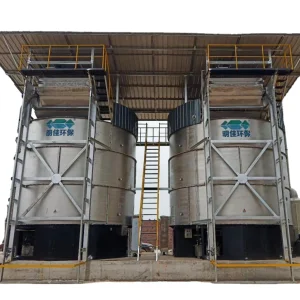
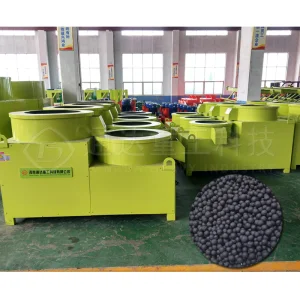
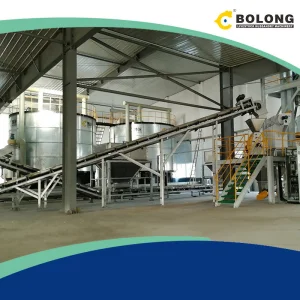
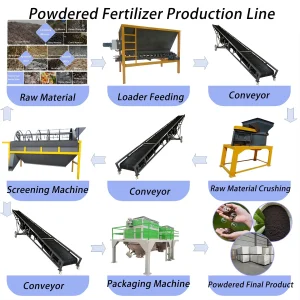
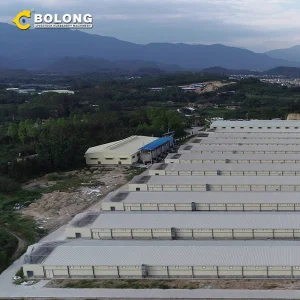
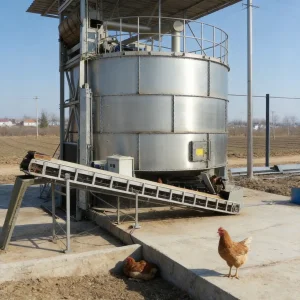
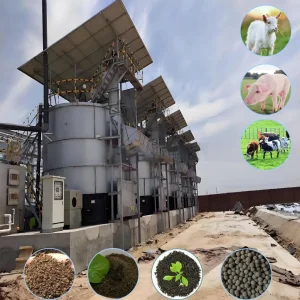
Animal manure and agricultural residues are transformed into pathogen-free organic fertilizers via our aerobic fermentation tanks, closing the nutrient loop on modern farms.
Scalable, industrial-grade composting lines for city-wide bio-waste treatment, designed to meet rigorous environmental impact assessments (EIA).
Navigating international waste regulations requires a partner who understands localized compliance. Chengdu AgBio Energy provides:
Our R&D division is focused on the next generation of "Smart Waste" technologies. By 2026, our product ecosystem will fully integrate Blockchain-tracked Nutrient Recovery and Energy-Positive Composting.
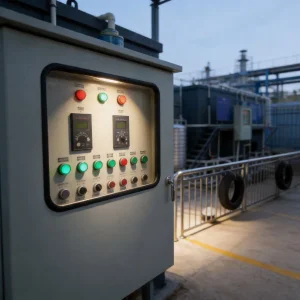
Implementation of PLC-based automated temperature and aeration cycles to ensure 100% pathogen elimination.
Full fleet management cloud systems allowing operators to monitor waste processing metrics from any mobile device.
Automated reporting of methane reduction and CO2 sequestration data to facilitate Carbon Credit monetization for our clients.
CE Certification is more than a mark; it is a guarantee of safety. It ensures the equipment complies with essential EU health, safety, and environmental protection requirements, which is vital for legal operation in most developed markets and ensures the longevity of the machine under heavy industrial use.
ROI varies by region but is generally achieved within 18–36 months through reduced disposal fees, savings on chemical fertilizers, and potential revenue from selling high-grade organic compost. For municipal projects, the environmental "social ROI" is immediate.
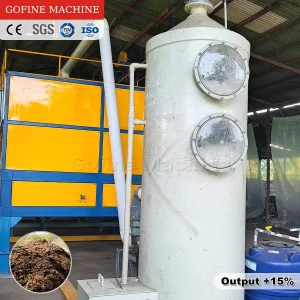
Yes. Our horizontal and in-vessel composting machines are specifically engineered with advanced aeration and moisture control systems to manage high-moisture organic matter, preventing anaerobic pockets and foul odors.
Absolutely. We provide comprehensive OEM and ODM services. Whether it's a specific footprint requirement for a hotel basement or a high-capacity line for a poultry farm, our engineering team tailors the solution to your project parameters.
 AgBio Energy