Explore our leading commercial composting reactors and organic waste Processing machines engineered for deep volume reduction and rapid resource conversion.
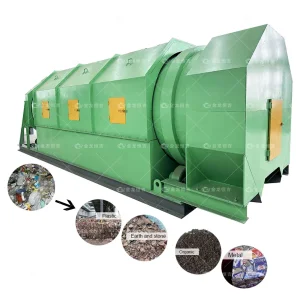
Rapid urbanization, combined with stringent global climate policies, has elevated the management of municipal solid waste (MSW) and agricultural byproducts into a critical focal point of the modern circular economy. Industries, corporate farms, and metropolitan zones are facing unprecedented pressure to reduce landfill reliance and minimize greenhouse gas emissions, particularly methane.
Traditional disposal methods are no longer economically or environmentally viable. Aerobic fermentation and smart bio-waste digestion systems represent a major technical leap forward. By providing optimized environmental controls (temperature, oxygenation, moisture monitoring), these systems rapidly stabilize organic solids, converting potential pollutants into high-nutrient fertilizers and soil conditioners.
"Landfill diversion is no longer merely a regulatory requirement; it is a vital pillar of corporate ESG frameworks globally."
Our systems optimize biological breakdown pathways to achieve massive carbon footprint reductions, helping enterprises earn carbon credits and conform to local regulatory thresholds.
By utilising computer-controlled thermophilic aeration, raw organic matter stabilizes in a fraction of the time required by passive windrows.
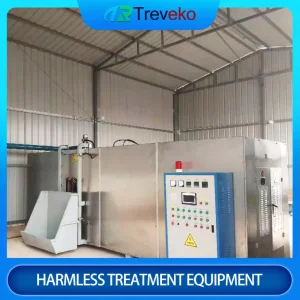
Delivering high thermal efficiency, odor management, and precise moisture monitoring for advanced biochemical processing.
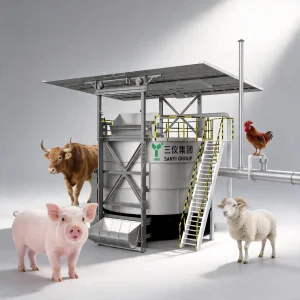
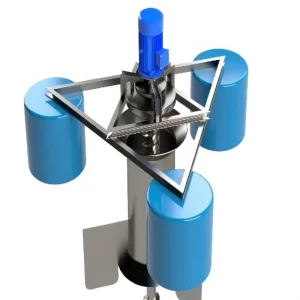
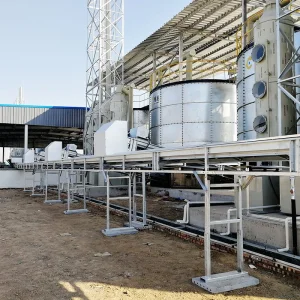
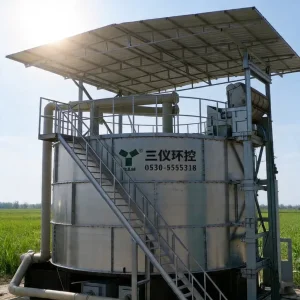
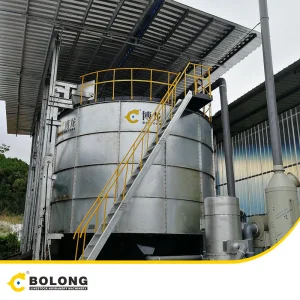
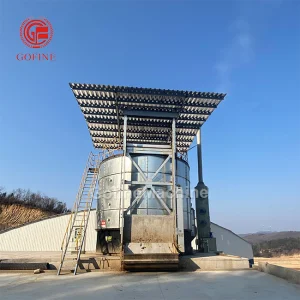
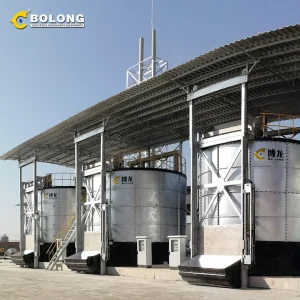
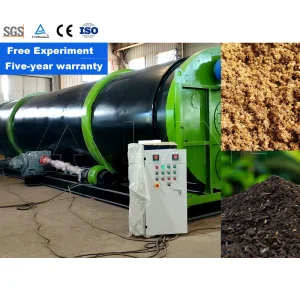
Features automatic positive-pressure aeration systems, screw-type agitators, and continuous drum designs to ensure uniform microbial activity across the entire compost matrix.
Maintains internal temperatures between 55°C and 65°C, ensuring compliance with international bio-safety guidelines by eradicating weed seeds and pathogenic bacteria.
Equipped with high-precision integrated sensors to monitor oxygen saturation and temperature, allowing automated adjustments through user-friendly Siemens PLC interfaces.
| System Type | Optimal Feedstocks | Retention Time | Automation Grade | CE Certification Status |
|---|---|---|---|---|
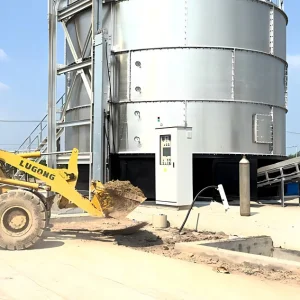
| Vertical In-Vessel Bioreactors | Poultry/swine manure, municipal food scraps, organic industrial residues | 7 - 10 Days | Fully Automated (PLC Control) | CE Certified (Compliant with EN standards) |
| Rotary Composting Drums | Agricultural waste, mushroom spawn media, shredded wood byproducts | 24 - 48 Hours (Pre-stabilization) | Semi-Automated / Continuous Feed | CE Certified |
| Municipal MSW Sorting Lines | Commingled dry/wet municipal solid waste streams | Continuous Process | Industrial SCADA Monitored | CE Certified |
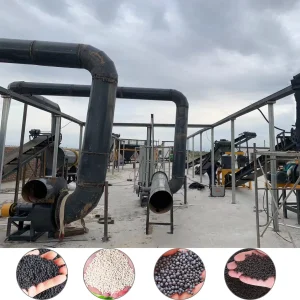
| Fertilizer Granulation Plants | Stabilized compost, chemical supplements, organic binders | Continuous Output | Integrated Production Line PLC | CE Certified |
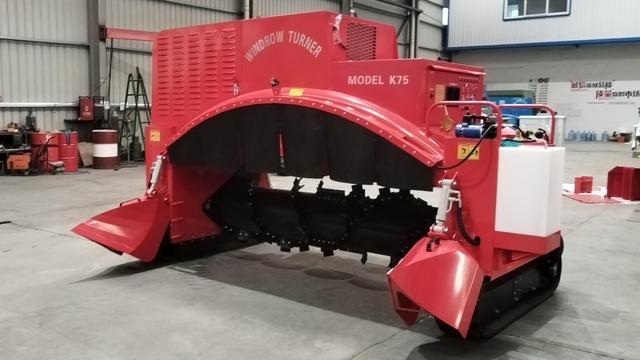
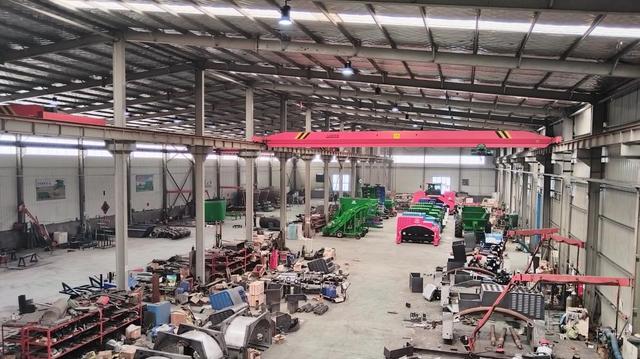
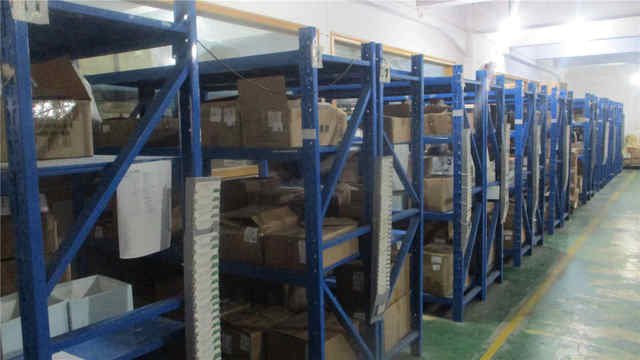
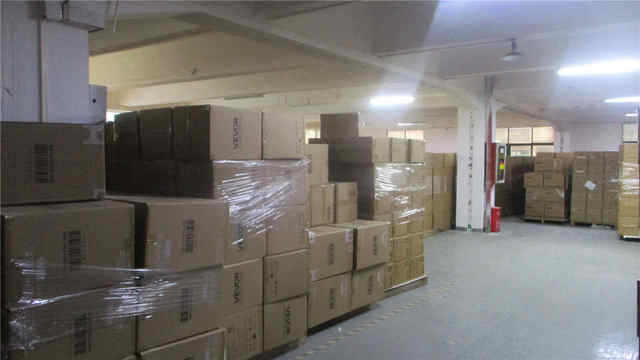
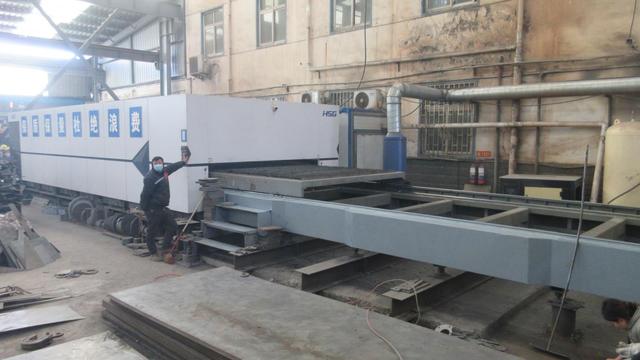
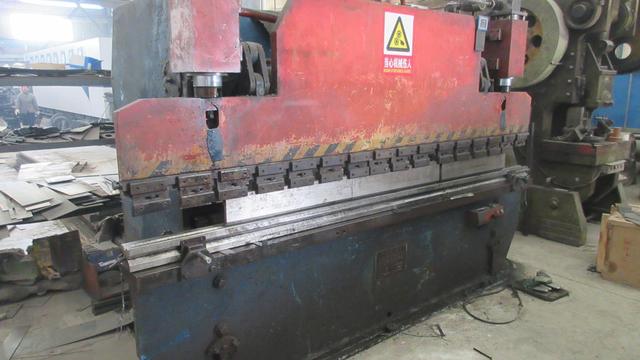
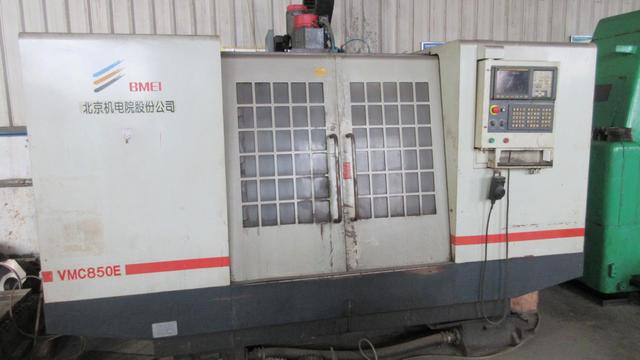
Based in Chengdu, Sichuan, Chengdu AgBio Energy Co., Ltd. operates a modern 16,000-square-meter facility with over 230 specialists. Since 2013, our production focus has integrated structural engineering, chemical process control, and digital automation.
Benefiting from China's robust industrial supply chain and our lean production protocols, we deliver cost-effective waste treatment systems without compromising on components. Our partnerships with top global component suppliers ensure that key hydraulic systems, PLC controls, and structural steel components conform to European safety standards.
Through our comprehensive OEM and ODM divisions, we provide custom modifications for project contractors worldwide, adapting systems for varying processing capacities, electrical requirements, and extreme regional climates.
How our biological waste treatment systems operate across agricultural, industrial, and municipal environments.
Processing chicken, swine, and dairy manure in high volumes. Our vertical bioreactor systems quickly stabilize raw manure, reducing pathogen levels and creating a dry, weed-seed-free organic fertilizer for soil application or wholesale distribution.
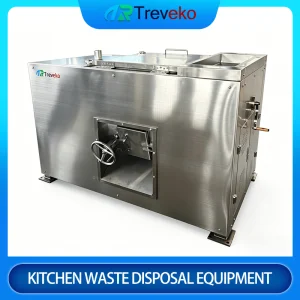
Treating high-moisture organic residues, processing byproducts, and spent grains. Our closed systems prevent odor emissions, manage high liquid ratios, and reduce overall waste volume by up to 85%, lowering disposal fees.
Used in municipal sorting facilities to process separated organic fractions. Designed to run continuously alongside plastic and metal sorting lines, optimizing bio-waste conversion for municipal operations.
For procurement directors and environmental project managers, sourcing large-scale waste machinery requires careful regulatory validation. Our equipment carries the CE Certification mark, ensuring compliance with EU safety, health, and environmental standards.
In addition to structural and mechanical certifications, our engineering team assists clients with local permit compliance, including:
The biological waste management industry is shifting toward decentralized, automated treatment systems. Instead of hauling wet organic waste to distant regional landfills, companies are processing residues at the source.
Key developments include:
Complete systems engineered for fertilizer manufacturing, livestock carcass treatment, and municipal organic waste recovery.
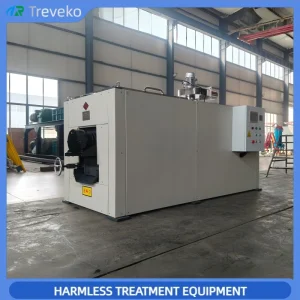
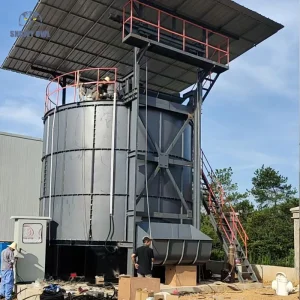
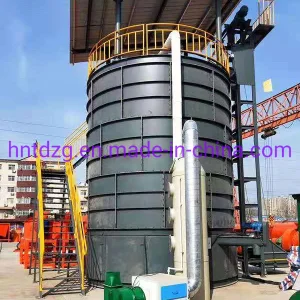
Review engineering analyses and operational best practices for our high-temperature aerobic fermentation systems.
Our fermentation tanks are built using carbon steel or SS304/SS316L stainless steel, reinforced to handle continuous structural and chemical stresses. On average, the mechanical components have an operational life of 12 to 15 years with routine maintenance, such as hydraulic oil changes and checking screw conveyor wear.
Our bioreactors feature a high-density polyurethane insulation layer encased in an outer metal shell. This design retains the biological heat generated during the thermophilic phase, allowing the system to operate efficiently even in ambient temperatures as low as -20°C.
For unsorted MSW streams, we recommend installing our Automatic Municipal Solid Waste Sorting Line before composting. This sorting stage separates recyclables like metals and plastics from organic materials, protecting downstream fermentation equipment and improving final compost quality.
All AgBio vessel systems are fully sealed to capture process exhaust. We offer customized extraction fans connected to biofilters, wet scrubbers, or active carbon filters. This helps facilities control volatile organic compounds (VOCs) and ammonia emissions, ensuring compliance with local air quality guidelines.
The integrated Siemens PLC system continuously monitors internal temperature and oxygen levels. When oxygen drops below a set threshold, the positive aeration system activates. Similarly, dynamic mixing prevents the material from compacting, maintaining aerobic conditions and accelerating decomposition.
Yes. We manufacture complete High-Capacity Fertilizer Granulation Equipment. This system integrates with our composting reactors, turning stabilized compost into uniform pellets ready for packaging and distribution.
 AgBio Energy