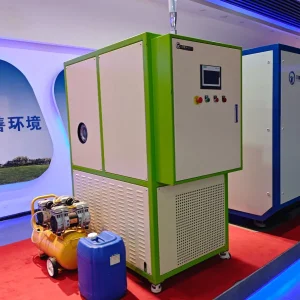
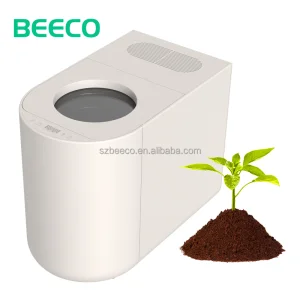
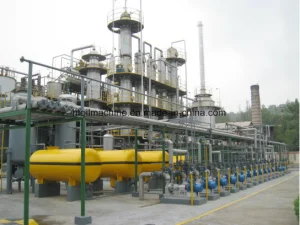
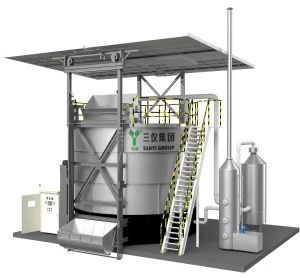
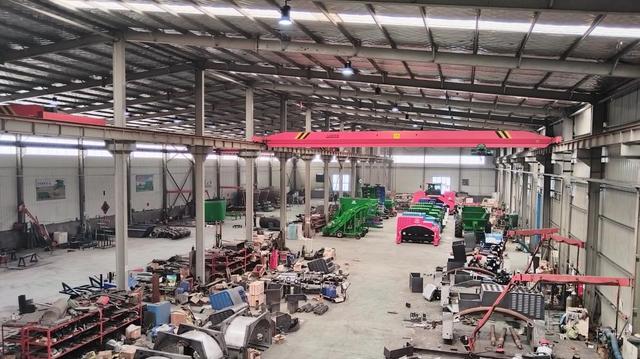
Chengdu AgBio Energy Co., Ltd. is a globally recognized professional manufacturer specializing in organic waste composting equipment, food waste recycling systems, and sustainable waste treatment solutions. Established in 2013 and headquartered in Chengdu, Sichuan Province, China, the company is dedicated to helping businesses, agricultural operations, municipalities, and environmental service providers transform organic waste into valuable resources. With a modern manufacturing facility covering more than 16,000 square meters and a team of over 230 employees, AgBio Energy delivers efficient and environmentally responsible waste management technologies to customers around the world.
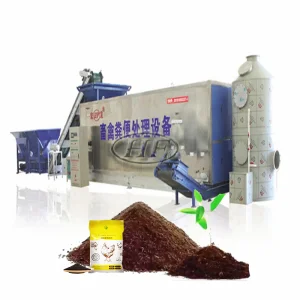
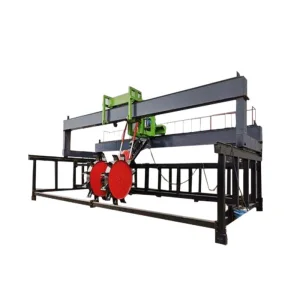
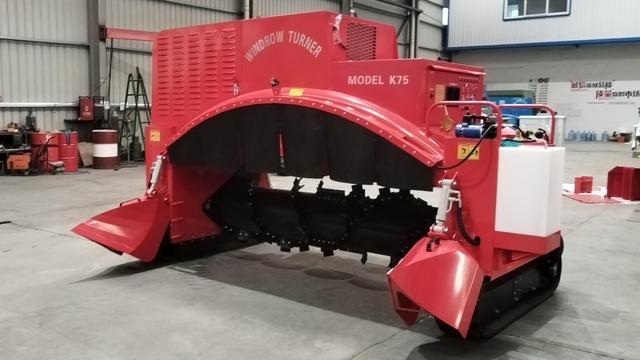
The company's product portfolio includes high-capacity organic waste composting machines, aerobic fermentation equipment, agricultural waste recycling solutions, and municipal bio-waste treatment equipment. These solutions are widely used in commercial farms, food processing facilities, and urban environmental projects, integrating Engineering expertise with Process optimization.
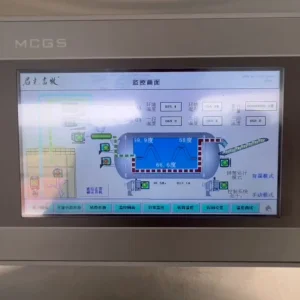
Our R&D focuses on hyper-thermophilic aerobic fermentation and AI-integrated sorting. By leveraging IoT sensors, our machines optimize moisture and temperature in real-time, reducing composting cycles by 40%.
We ensure all machinery meets international standards including CE, FCC, and KC certifications. Our systems are engineered for diverse power grids and local environmental regulations from Europe to Southeast Asia.
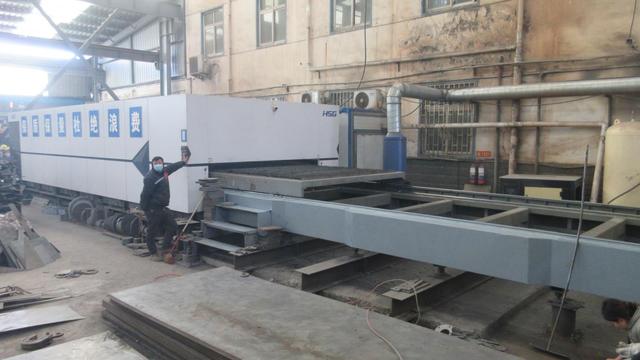
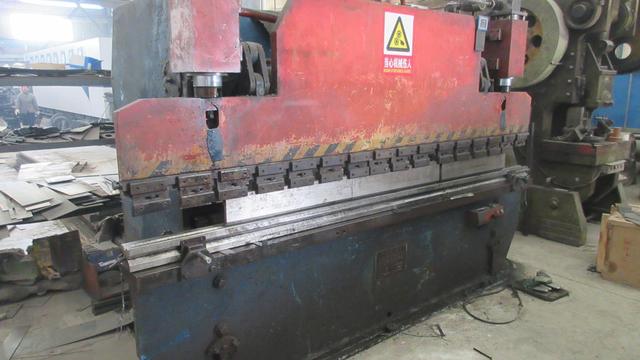
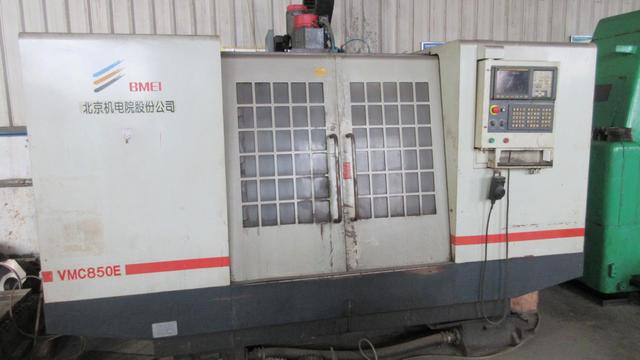
Located in Chengdu's industrial hub, we offer superior logistics and cost-efficiency. Our "Factory 4.0" model ensures rapid prototyping and stable output even during global supply chain fluctuations.
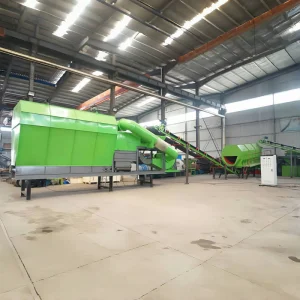
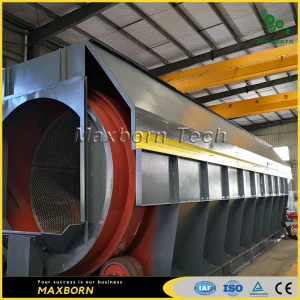
Rapid urbanization has led to a crisis in municipal solid waste (MSW) management. Our Durable Waste Sorting Systems integrate mechanical shredding with biological stabilization, allowing cities to divert over 70% of organic waste from landfills, directly contributing to carbon neutrality goals.
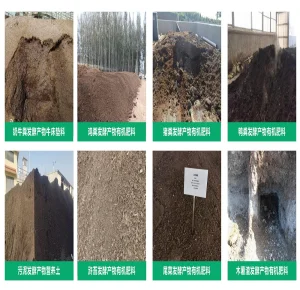
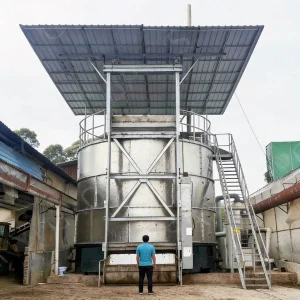
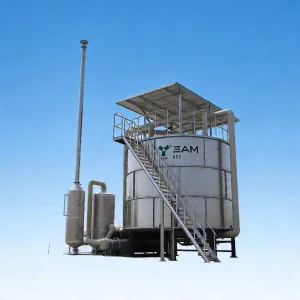
Modern livestock farming requires robust manure management. Our membrane fermentation systems utilize semi-permeable membranes to control odors while accelerating the conversion of animal waste into nutrient-rich organic fertilizer, solving the "pollution-to-resource" equation for large-scale breeders.
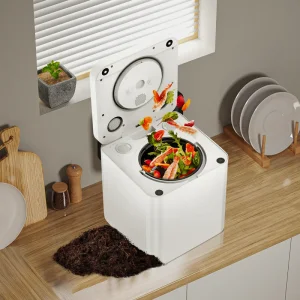
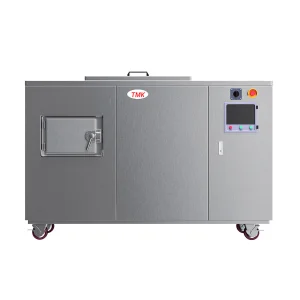
For hotels and restaurants, we provide compact, on-site Electric Kitchen Garbage Disposals. These units utilize Multigrind technology to reduce waste volume significantly, lowering logistics costs and improving hygiene standards.
Integration of specialized microbial inoculants with automated dosing systems to handle high-salt and high-oil food waste, common in Asian and Western catering.
Developing waste-to-energy modules that capture heat from aerobic fermentation to power the facility's own sorting and grinding mechanisms.
Creating digital twins for municipal waste plants to simulate "what-if" scenarios, optimizing throughput and maintenance schedules via cloud computing.
China's "Factory 4.0" advantages include a complete upstream and downstream supply chain for stainless steel, sensors, and biological agents. This results in 30-50% cost savings compared to European counterparts while maintaining identical technical specifications.
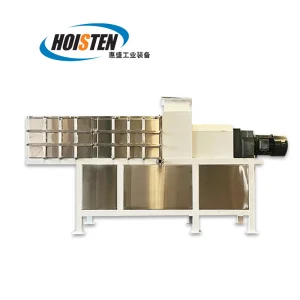
Yes, our industrial composting systems range from small 5kg kitchen units to large-scale 3000kg/h municipal dehydrators and fermenters, capable of processing hundreds of tons per day when deployed in series.
We provide comprehensive OEM/ODM support, including localized installation guides, remote IoT diagnostic support, and 24/7 technical consulting to ensure compliance with local environmental standards.
Depending on local waste disposal fees and fertilizer market prices, most commercial clients see a return on investment within 18 to 36 months through reduced tipping fees and high-value byproduct sales.
 AgBio Energy