Engineered to convert livestock manure, organic municipal waste, and industrial food sludge into biological soil conditioners.
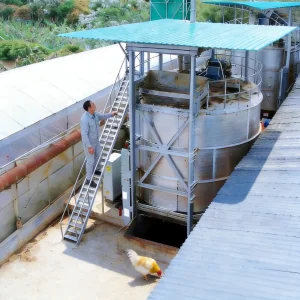
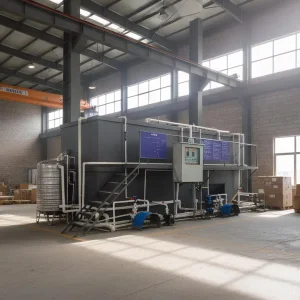
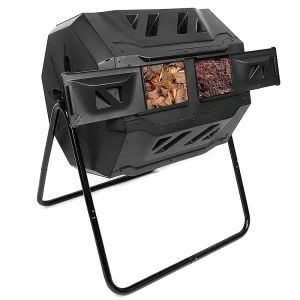
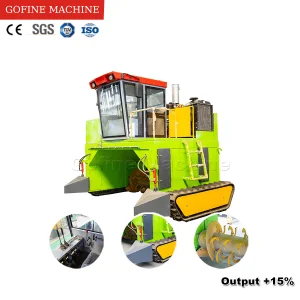
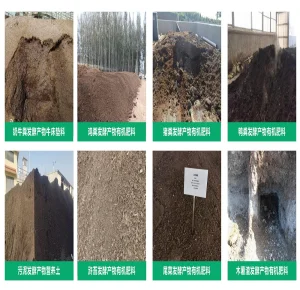
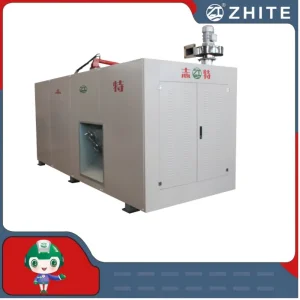
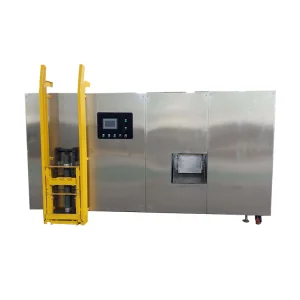
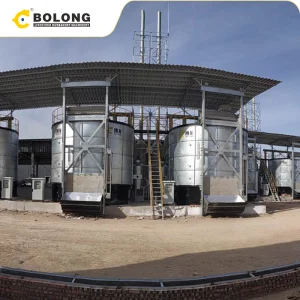
The global push for climate neutrality, soil preservation, and the circular economy has moved the treatment of organic fraction of municipal solid waste (OFMSW), agricultural manure, and food processing residuals from simple disposal methods to industrial-scale valorization. Organizations worldwide face regulatory pressures, such as the EU Landfill Directive, EPA's 50% food waste reduction goal by 2030, and national carbon reduction strategies. Traditional open windrow composting is no longer viable due to high land usage, greenhouse gas emissions, and strict odor control rules.
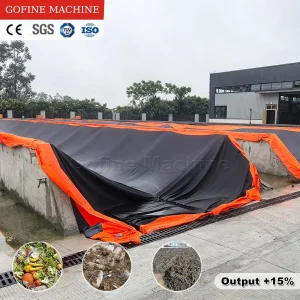
In response to these demands, modern operations require enclosed processing environments like in-vessel aerobic bio-reactors and membrane-covered fermentation systems. These advanced technologies capture process thermal energy to support thermophilic microbial activity, neutralizing plant pathogens and weed seeds within a fraction of the time required by traditional methods. As an experienced exporter, we supply these systems to clients navigating environmental regulations, helping them achieve sustainable, scalable operations.
"According to climate studies, upgrading to enclosed aerobic bio-reactors can reduce greenhouse gas emissions by up to 85% compared to open landfilling, while creating high-grade nutrient-rich fertilizer outputs."
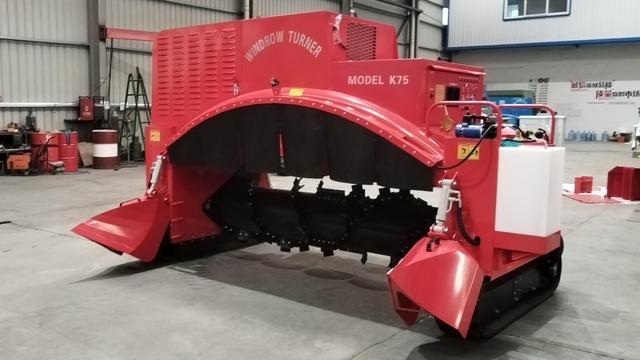
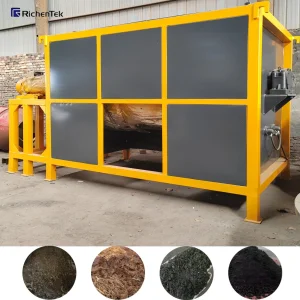
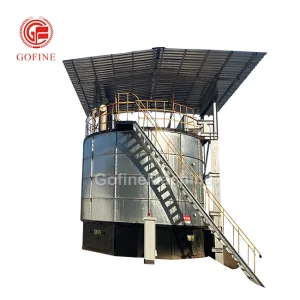
Inside our closed-loop vertical and horizontal reactors, biological transformation follows a controlled process that speeds up natural biodegradation.
Raw organic wastes are shredded and mixed with structural bulking agents to reach a target C:N ratio of 25:1 to 30:1. The input moisture levels are dynamically adjusted to 55-60%, creating the ideal physical framework for aerated microbes.
Continuous low-pressure aeration pumps oxygen into the mix. This fuels rapid proliferation of aerobic thermophilic bacteria, raising the vessel core temperature to between 55°C and 65°C. At this level, pathogens, weed seeds, and insect larvae are neutralized according to international health standards.
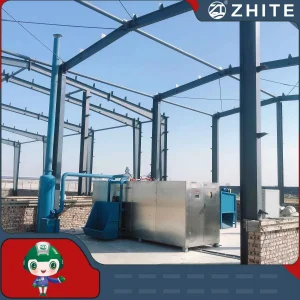
Exhaust air is routed through an integrated bio-filter or scrubbers to neutralize VOCs, ammonia, and hydrogen sulfide. This keeps operation sites virtually odorless, allowing setup near commercial areas.
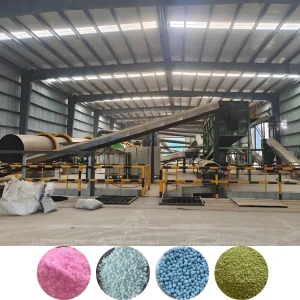
The stable compost is screened and dried. It can then be fed directly into custom granulation lines to manufacture commercial organic NPK pellets, turning waste management into a revenue source.
Technical specifications and considerations that buyers must assess when selecting bio-waste processing equipment.
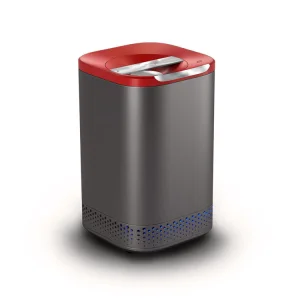
Processing capacities range from 1 ton per day for kitchen units to over 150 tons per day for modular multi-vessel agricultural plants. Identifying peak seasonal loads is key to selecting the correct chamber size.
Given the corrosive nature of organic waste acids and high humidity, we construct reactor inner walls using SUS304 or SUS316L stainless steel, backed by high-density polyurethane insulation.
Compliance with local air-quality rules is achieved by integrating active negative pressure ventilation. Air exhausts are fed through acid/alkali scrubbers and dynamic biological media filters.
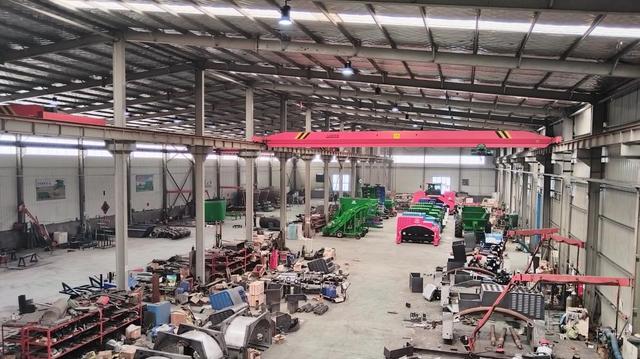
Chengdu AgBio Energy Co., Ltd. is a professional manufacturer specializing in organic waste composting equipment, food waste recycling systems, and sustainable waste treatment solutions. Established in 2013 and headquartered in Chengdu, Sichuan Province, China, the company is dedicated to helping businesses, agricultural operations, municipalities, and environmental service providers transform organic waste into valuable resources. With a modern manufacturing facility covering more than 16,000 square meters and a team of over 230 employees, AgBio Energy delivers efficient and environmentally responsible waste management technologies to customers around the world.
The company's product portfolio includes organic waste composting machines, food waste treatment systems, aerobic fermentation equipment, agricultural waste recycling solutions, manure composting systems, organic fertilizer production lines, municipal bio-waste treatment equipment, and intelligent composting management systems. These solutions are widely used in farms, food processing facilities, restaurants, hotels, commercial waste treatment centers, agricultural cooperatives, and municipal environmental projects.
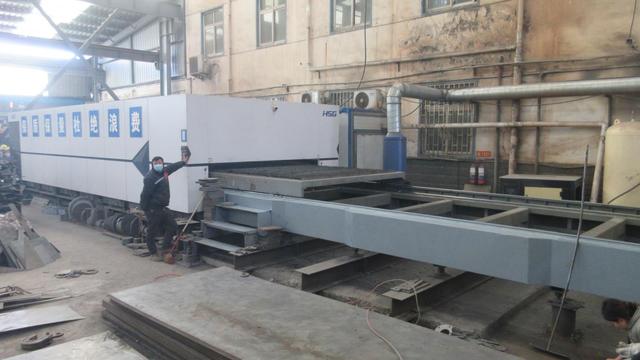
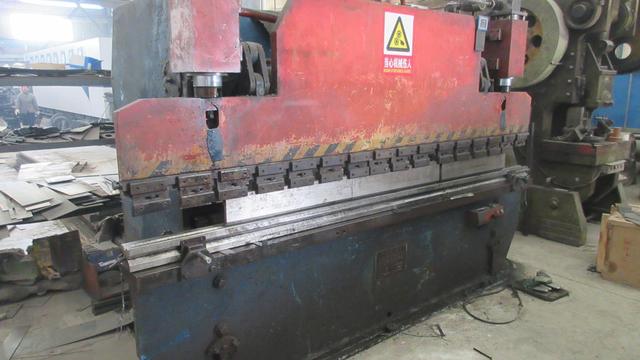
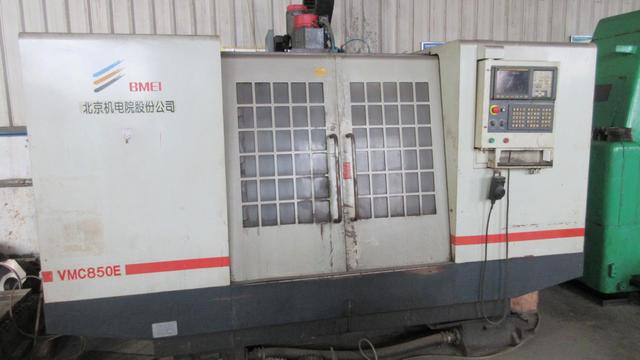
AgBio Energy integrates engineering expertise, process optimization, and advanced manufacturing technologies to develop reliable composting and organic waste recycling systems. The company operates modern production workshops, assembly lines, and testing facilities to ensure product quality, operational efficiency, and long-term reliability. Strict quality management procedures are implemented throughout product development, manufacturing, installation, and customer support processes.
In addition to standard equipment, AgBio Energy offers OEM and ODM services, providing customized waste treatment solutions tailored to specific project requirements, processing capacities, and operational environments. The company works closely with environmental organizations, agricultural enterprises, waste management operators, and project contractors worldwide.
Committed to innovation, sustainability, and resource recovery, Chengdu AgBio Energy Co., Ltd. continues to support global efforts toward circular economy development, landfill reduction, and environmentally responsible organic waste management through advanced composting and recycling technologies.
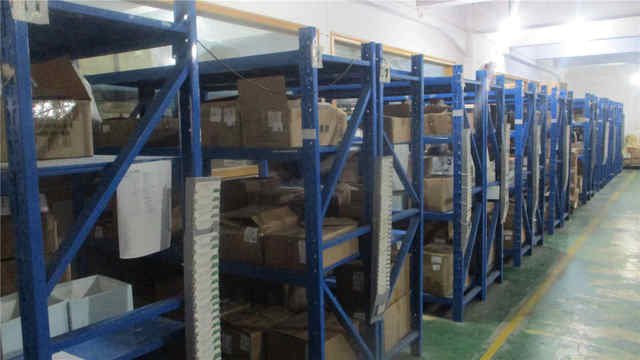
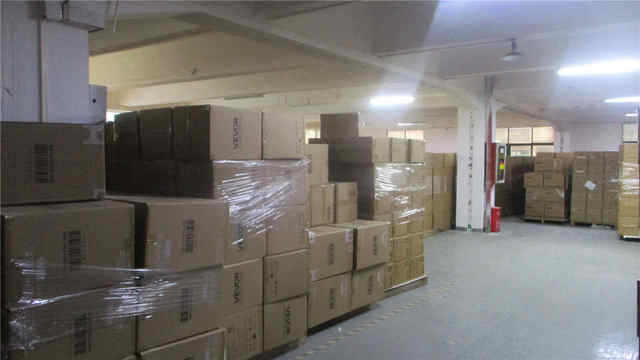
How we ensure our machinery meets local safety regulations and runs reliably in different operating environments.
Our products are built to international standards, incorporating CE markings, ISO 9001 compliance, and electrical controls using UL/CSA listed components to meet regional safety requirements.
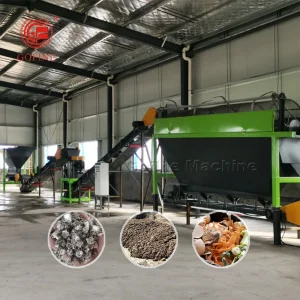
Equipment is pre-assembled and tested at our facility prior to shipment. Skid-mounted designs and modular components allow for efficient containerization and straightforward on-site installation.
Equipped with intelligent PLC control units, our technical team can monitor system parameters, troubleshoot operations, and update firmware remotely, reducing downtime.
Expert answers addressing the technical details of procuring and operating commercial organic waste recycling systems.
Explore our complete product lineup, providing solutions from decentralized garden scale to high-volume municipal installations.
 AgBio Energy