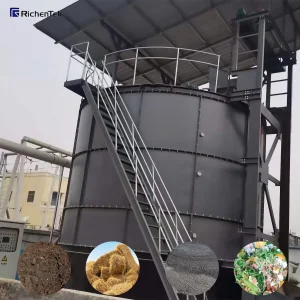
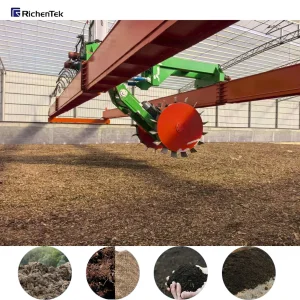
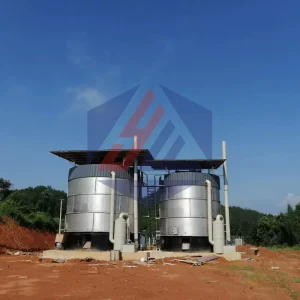
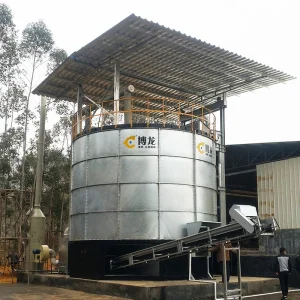
The global waste management landscape is undergoing a paradigm shift from traditional "disposal-centric" models to Circular Economy Resource Recovery. As landfill space diminishes and environmental regulations tighten (such as the EU's Waste Framework Directive and China's Zero-Waste City initiative), the demand for Automatic Waste Treatment Technology has surged.
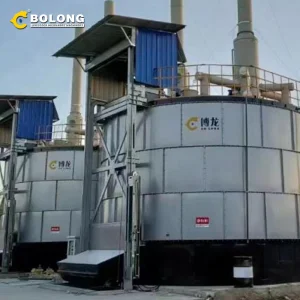
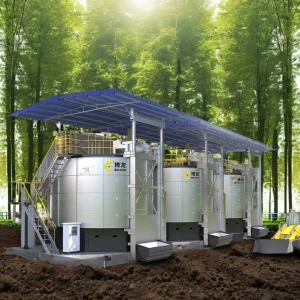
Current industrial trends indicate a move toward decentralized organic waste treatment. Instead of transporting wet waste over long distances, businesses are adopting in-vessel aerobic fermentation and automated microbial composting. This reduces carbon footprints significantly and transforms a liability (waste) into a high-value asset (organic fertilizer).
Our solutions at Chengdu AgBio Energy Co., Ltd. address this by integrating smart sensors and IoT monitoring, allowing for 24/7 autonomous operation with minimal human intervention.
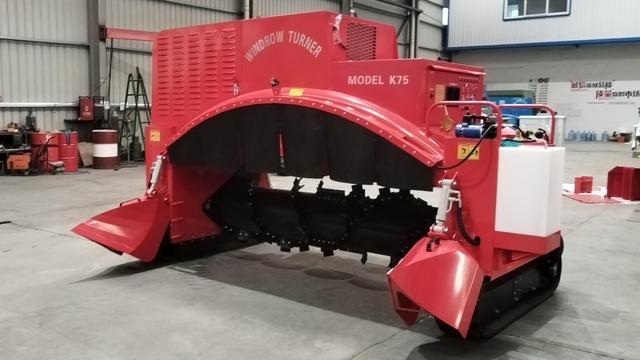
Chinese factories like AgBio Energy benefit from a hyper-integrated supply chain. This allows us to move from R&D to full-scale production of bio-fermentation tanks 40% faster than European counterparts.
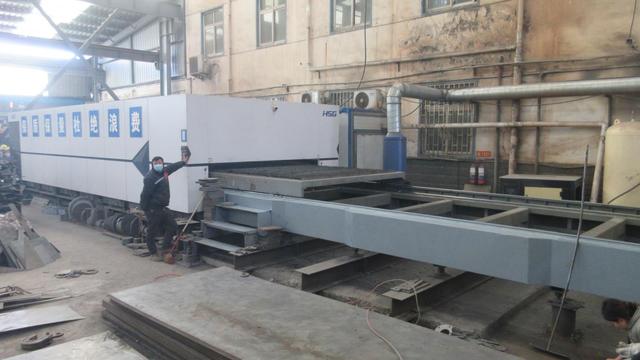
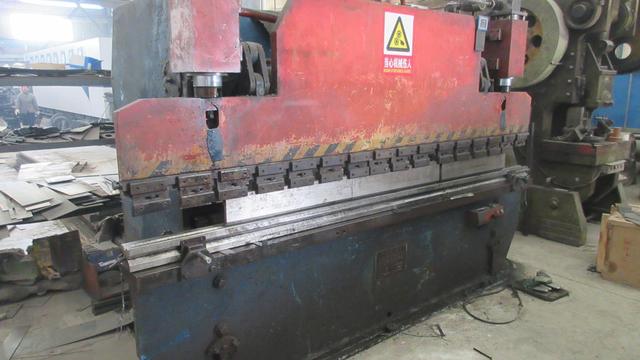
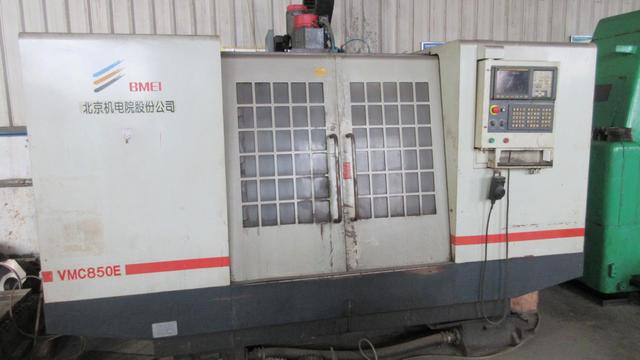
Operating out of a 16,000 square meter facility with 230+ skilled professionals, we maintain the capacity to fulfill municipal-scale orders while maintaining strict ISO quality standards.
By leveraging China's lead in AI and IoT, our waste treatment systems feature automated moisture control, oxygen levels optimization, and remote diagnostic capabilities.
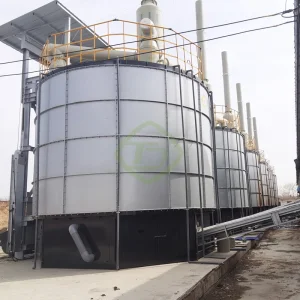
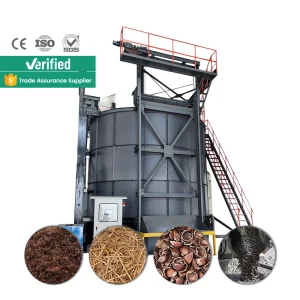
Transforming livestock manure, poultry litter, and crop residues into nutrient-rich compost in as little as 48-72 hours using high-temperature aerobic fermentation.
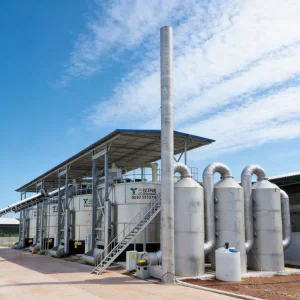
In-vessel tunnel systems designed for high-density urban environments, managing kitchen scraps and garden waste with zero odor emission.
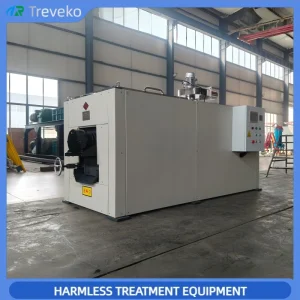
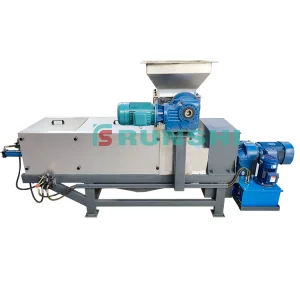
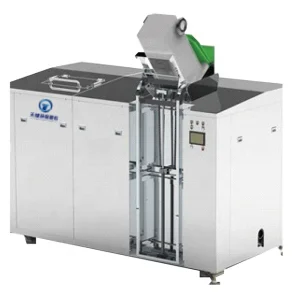
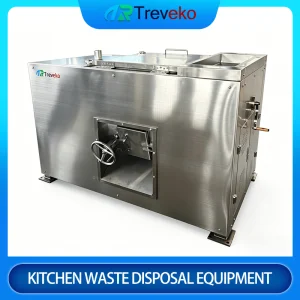
Compact bio-digesters and food waste dehydrators for hotels and restaurants, drastically reducing waste volume and disposal costs.
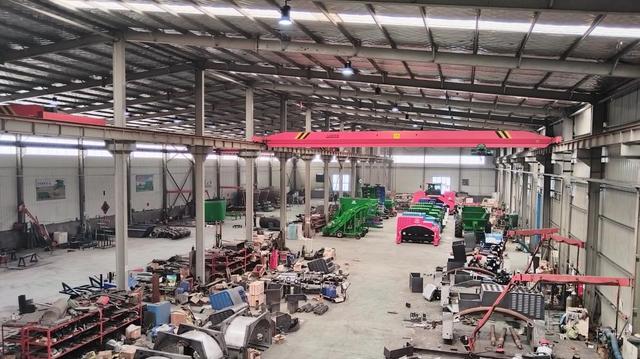
Established in 2013, Chengdu AgBio Energy Co., Ltd. has been at the forefront of the environmental technology sector. Our mission is to bridge the gap between waste generation and resource scarcity. Our portfolio includes:
We provide comprehensive OEM and ODM services, tailoring our equipment to the specific humidity, climate, and waste composition of various geographical regions—from the humid tropics of Southeast Asia to the arid regions of Australia.
On-site treatment is becoming the standard for the ESG (Environmental, Social, and Governance) goals of Fortune 500 companies.
Integrating specific microbial strains to accelerate decomposition and increase the nutrient density of the final compost.
Using real-time analytics to track carbon sequestration and fertilizer quality for carbon credit monetization.
Closed-loop systems that recapture heat and utilize bio-filters to eliminate VOCs and unpleasant odors in urban areas.
International buyers seeking reliable Automatic Waste Treatment Suppliers should focus on four key metrics: Durability, Scalability, Compliance, and Technical Support. AgBio Energy ensures every machine undergoes rigorous stress testing at our assembly lines before shipment.
Our systems are designed for high-moisture organic waste, including food scraps, kitchen waste, garden/agricultural residues, livestock manure (chicken, pig, cow), and poultry mortalities.
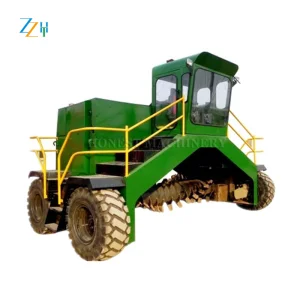
Depending on the technology used (Aerobic Tank vs. Windrow), the primary fermentation cycle typically lasts between 24 hours to 7 days, significantly faster than traditional methods which take months.
No. Our advanced in-vessel systems are equipped with bio-filters and negative pressure air control to neutralize odors, making them suitable for use near residential areas or hotels.
With regular maintenance and our corrosion-resistant 304/316 stainless steel components, our industrial waste treatment machines have an operational life of over 15 years.
Yes, we provide comprehensive technical support including remote monitoring, on-site installation guidance, and staff training for our global clients.
 AgBio Energy