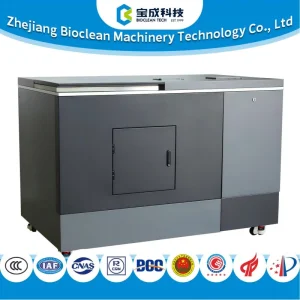
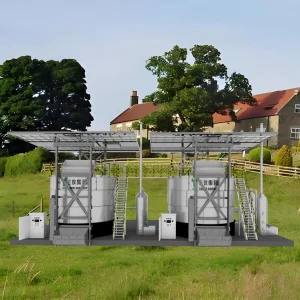
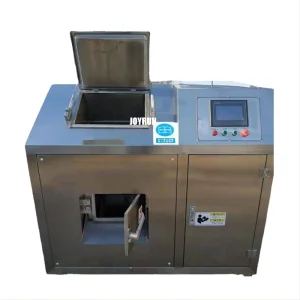
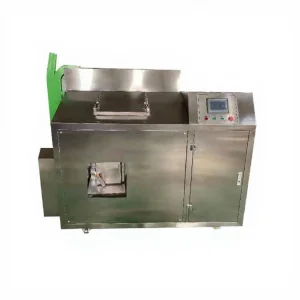
As the global community pivots toward a Circular Economy, the demand for industrial-grade bulk waste processing equipment has shifted from simple disposal to Resource Recovery. Modern "Bulk Waste Processing Equipment" represents a convergence of mechanical engineering, microbiology, and AI-driven automation. For global enterprises—ranging from municipal waste management sectors to large-scale agricultural operations—the choice of a manufacturing partner in China is no longer just about cost; it is about Information Gain, technological reliability, and long-term E-E-A-T (Experience, Expertise, Authoritativeness, and Trustworthiness).
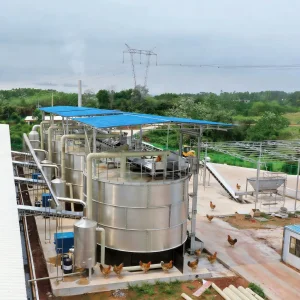
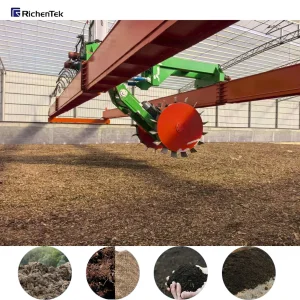
Today's top Chinese factories, such as Chengdu AgBio Energy Co., Ltd., are redefined by their ability to provide end-to-end solutions that meet stringent environmental regulations like the EU Green Deal and North American EPA standards. The evolution of In-Vessel Composting and High-Temperature Aerobic Fermentation has reduced processing times from months to mere days, providing a massive competitive advantage for businesses seeking to reduce their carbon footprint.
China's dominance in the bulk waste equipment sector stems from an integrated industrial ecosystem. With direct access to high-grade stainless steel, precision sensor manufacturing, and advanced PLC (Programmable Logic Controller) systems, Chinese factories offer 30-40% more efficiency in production lead times compared to Western counterparts.
Leading suppliers now prioritize international certifications including CE (Europe), UL (North America), and ISO9001. Localized support involves adapting equipment for specific voltage requirements, local climate conditions (e.g., extreme cold insulation for fermentation), and ensuring emissions meet local VOC standards.
Modern equipment is equipped with "Smart Waste Management" sensors that monitor moisture levels, temperature gradients, and oxygen concentrations in real-time. This data is fed into cloud platforms, allowing for remote diagnostics and predictive maintenance, ensuring zero downtime for critical municipal projects.
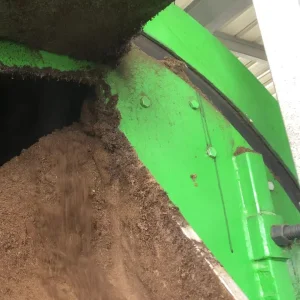
The industry is witnessing three major shifts: Decentralization, Energy Neutrality, and Value-Added Output. Instead of hauling waste to distant landfills, organizations are installing on-site bulk processors to eliminate transport emissions. Furthermore, the output—high-quality organic fertilizer—is being monetized as a secondary revenue stream or used to gain carbon credits in voluntary markets.
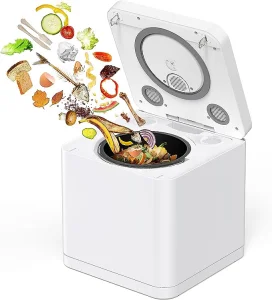
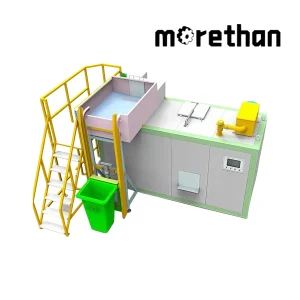
Integrated food waste processors installed in high-density urban areas handle kitchen scraps from thousands of households daily, converting them into landscaping compost for public parks.
Large hotels and shopping malls utilize compact, odor-free dewatering and composting units to maintain hygiene standards while significantly lowering waste disposal taxes.
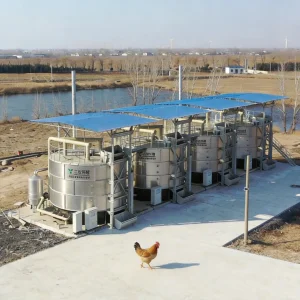
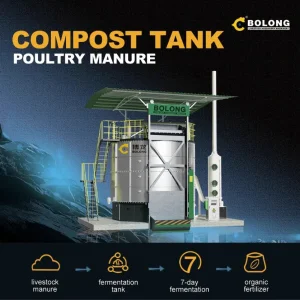
Large-scale poultry and dairy farms utilize in-vessel fermentation to manage manure, preventing groundwater contamination and producing organic fertilizers for crop rotation.
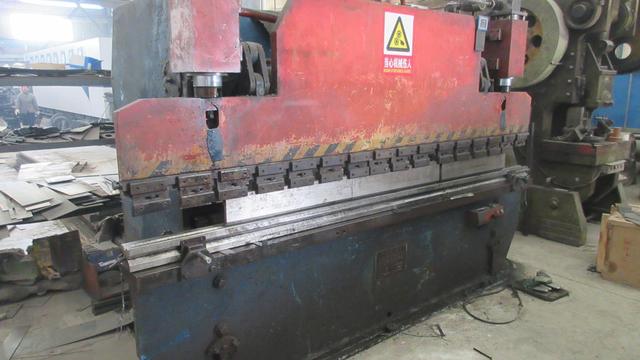
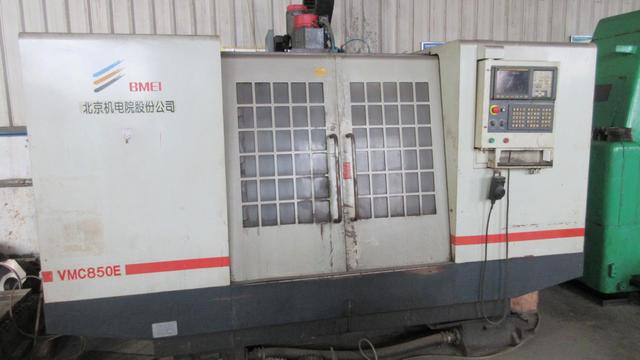
Chengdu AgBio Energy Co., Ltd. is a professional manufacturer specializing in organic waste composting equipment, food waste recycling systems, and sustainable waste treatment solutions. Established in 2013 and headquartered in Chengdu, Sichuan Province, China, the company is dedicated to helping businesses, agricultural operations, municipalities, and environmental service providers transform organic waste into valuable resources. With a modern manufacturing facility covering more than 16,000 square meters and a team of over 230 employees, AgBio Energy delivers efficient and environmentally responsible waste management technologies to customers around the world.
The company's product portfolio includes organic waste composting machines, food waste treatment systems, aerobic fermentation equipment, agricultural waste recycling solutions, manure composting systems, organic fertilizer production lines, municipal bio-waste treatment equipment, and intelligent composting management systems. These solutions are widely used in farms, food processing facilities, restaurants, hotels, commercial waste treatment centers, agricultural cooperatives, and municipal environmental projects.
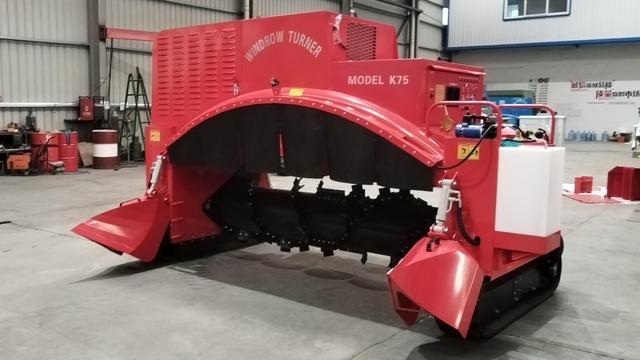
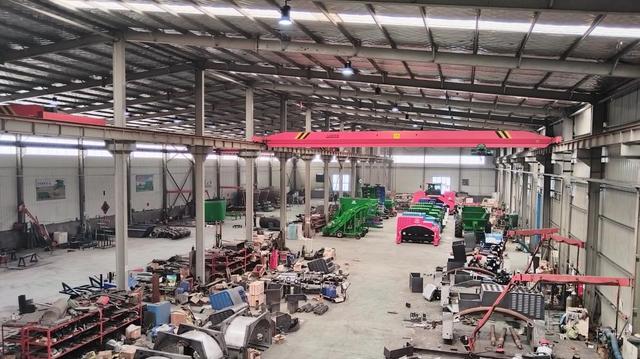
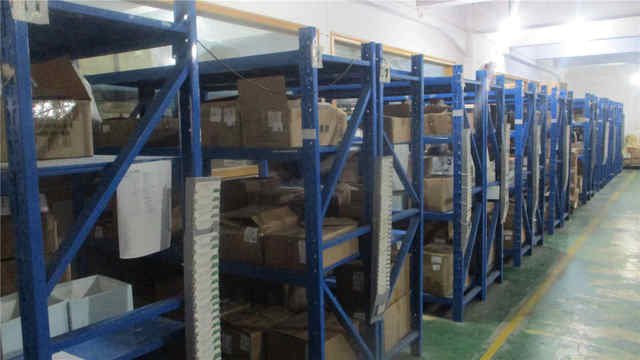
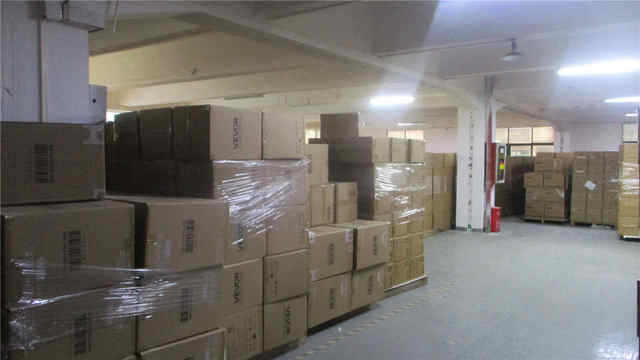
AgBio Energy integrates engineering expertise, process optimization, and advanced manufacturing technologies to develop reliable composting and organic waste recycling systems. In addition to standard equipment, AgBio Energy offers OEM and ODM services, providing customized waste treatment solutions tailored to specific project requirements, processing capacities, and operational environments.
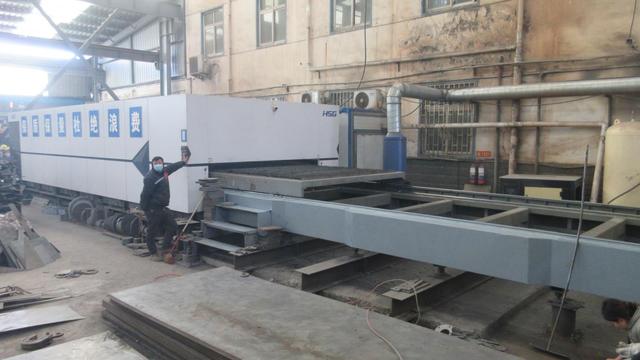
 AgBio Energy