Advanced agricultural equipment engineered by leading Chinese manufacturers to maximize nutrient recovery, odor control, and ROI.
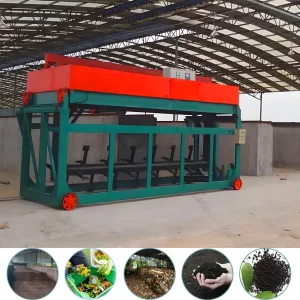
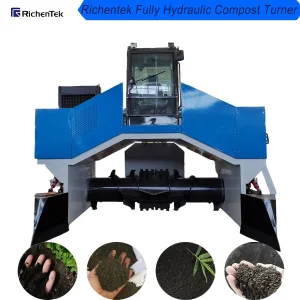
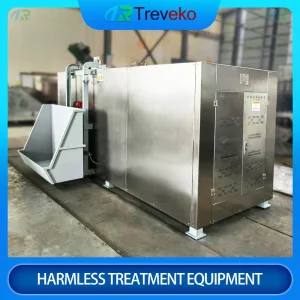
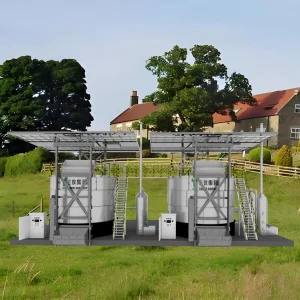
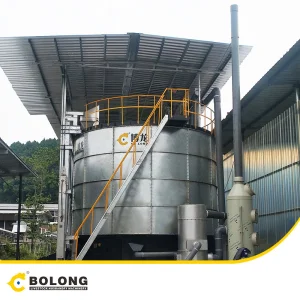
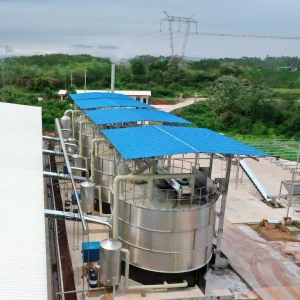
Quantitative benchmarks achieved through advanced Chinese in-vessel bio-fermentation systems deployed globally.
The global agricultural sector stands at a pivotal juncture. Driven by stringent carbon neutrality mandates, regulatory pressures on agricultural runoff, and escalating synthetic fertilizer costs, global enterprises are rapidly transitioning toward Sustainable Agricultural Practices. Modern organic waste management has evolved from passive open windrow composting to hyper-efficient, fully automated in-vessel aerobic fermentation.
Search intent analysis reveals that modern commercial procurement directors, municipal sanitation boards, and large-scale livestock operations are no longer merely seeking "compost turners." Instead, they demand scalable, zero-odor, automated, bio-secure recycling ecosystems that guarantee compliance with ESG standards, local environmental regulations, and maximum nutrient retention (NPK balance).
China has emerged as the premier manufacturing epicenter for advanced agritech machinery. By integrating robust industrial engineering, precision PLC automation, advanced microbiology, and high-volume production capabilities, top Chinese manufacturers offer unparalleled value, technical durability, and customization flexibility.
How Chengdu AgBio Energy Co., Ltd. combines specialized bio-engineering with industrial-scale manufacturing.
Chengdu AgBio Energy Co., Ltd. (established in 2013) stands at the forefront of China's sustainable agricultural equipment manufacturing hub. Integrating raw material sourcing from tier-1 steel mills with proprietary aerobic strain inoculation systems, AgBio Energy eliminates intermediate markup costs while guaranteeing rigorous ISO9001 quality control across every production stage.
China's comprehensive industrial supply chain ecosystem enables rapid component procurement, advanced heat treatment processing, and modular structural fabrication. As a result, global procurement officers receive high-grade stainless steel (SUS304/SUS316) in-vessel composters and heavy-duty groove turners at a fraction of Western production costs, without compromising on operational longevity or safety standards.
Understanding the biological and mechanical engineering that powers high-efficiency organic waste transformation.
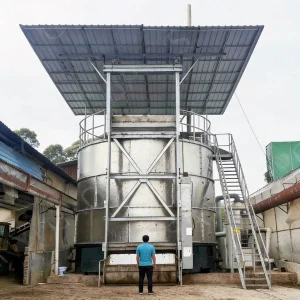
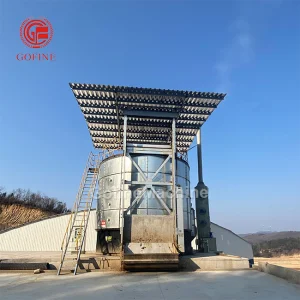
Traditional windrow composting requires 60 to 90 days, exposes organic waste to vectors, and releases massive volumes of greenhouse gases (methane and nitrous oxide) alongside foul odors. Modern In-Vessel Aerobic Fermentation Tanks utilize enclosed hyper-thermophilic bio-digestion to accelerate decomposition down to 7 to 10 days.
| Technical Parameter | Traditional Open Windrow | AgBio Energy In-Vessel System | Agronomic & Ecological Benefit |
|---|---|---|---|
| Fermentation Cycle | 60 - 90 Days | 7 - 10 Days | 90% reduction in site footprint & operational inventory. |
| Temperature Control | Ambient Dependent (35°C - 50°C) | Automated High Temp (60°C - 75°C) | Complete destruction of weed seeds, E. coli, & Salmonella. |
| Odor Management | Uncontrolled VOC & NH3 emissions | Negative Pressure Bio-scrubber | Zero-odor operation; compliant with urban proximity. |
| Nitrogen Retention | Low (High Volatilization) | High (Closed Loop Condensation) | Produces premium bio-fertilizer with high organic NPK. |
| Weather Resistance | Vulnerable to rain/cold weather | Polyurethane Thermally Insulated Tank | Operates flawlessly from -25°C to +50°C ambient temp. |
The system injects high-pressure oxygenized airflow through bottom diffusion nozzles, precisely calibrated by real-time oxygen saturation sensors. Coupled with continuous internal thermal jacket heating, thermophilic actinomycetes and bacillus species break down complex proteins, lignins, and fats rapidly.
International agricultural equipment buyers (including B2B importers, EPC contractors, and farm operators) prioritize Total Cost of Ownership (TCO), electrical safety certifications, and modular expandability. Chinese manufacturers like AgBio Energy systematically address these procurement vectors:
Ensuring frictionless international deployment through rigorous global engineering standards.
Targeted solutions engineered for specialized waste streams and operating environments.
As global agriculture embraces Industry 4.0, the composting and bio-recycling equipment sector is experiencing rapid technical transformation:
State-of-the-art infrastructure supporting global OEM/ODM production and rigorous quality assurance.
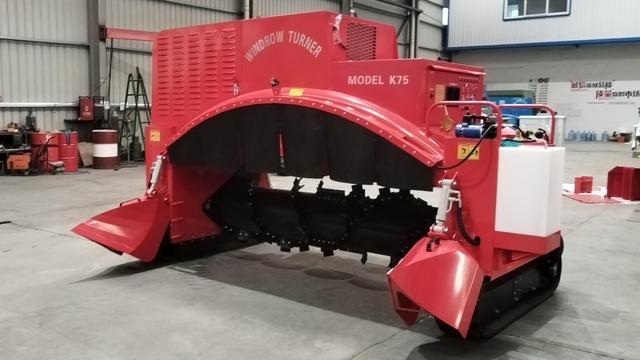
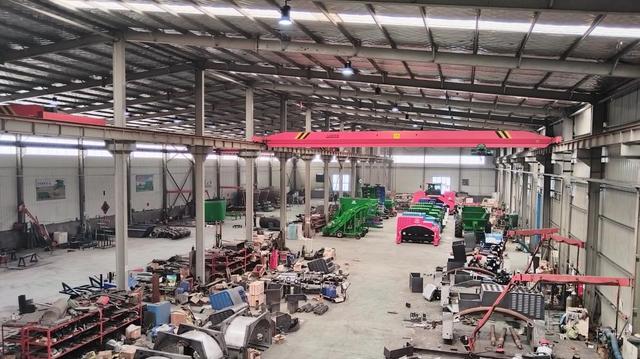
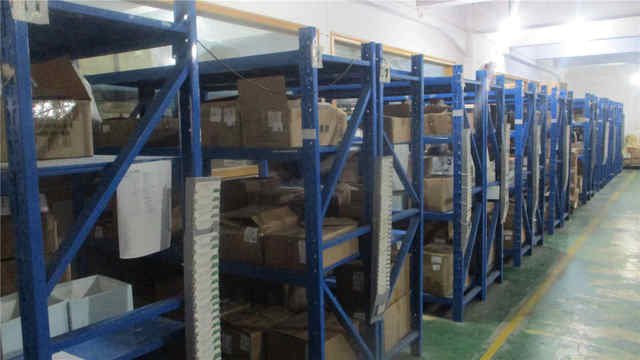
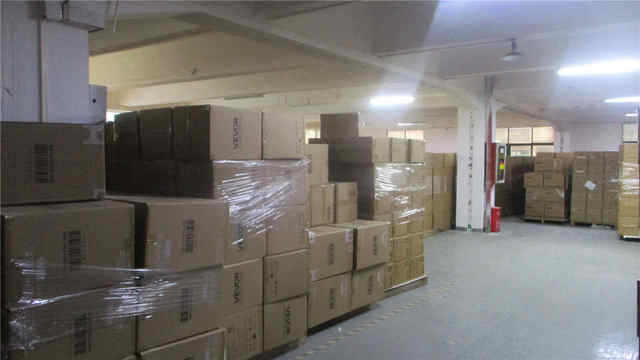
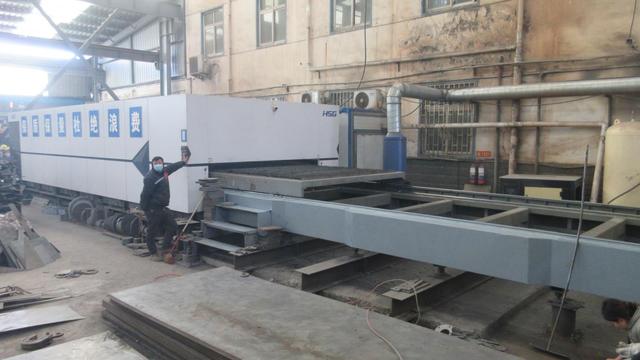
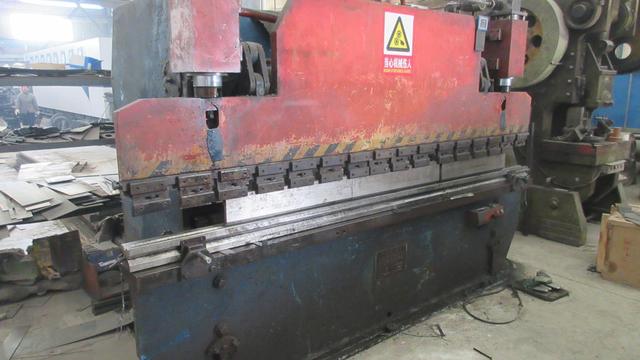
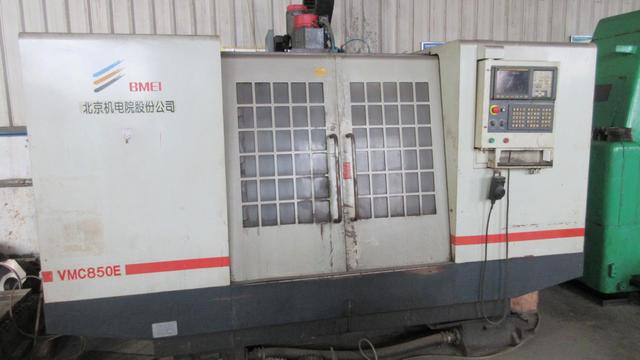
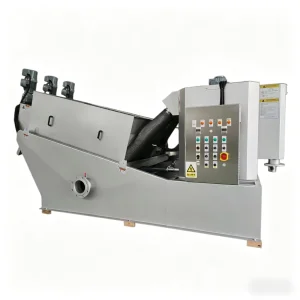
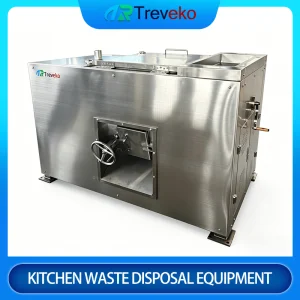
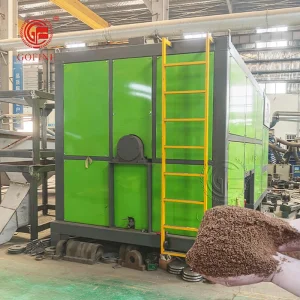
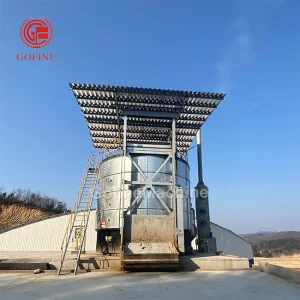
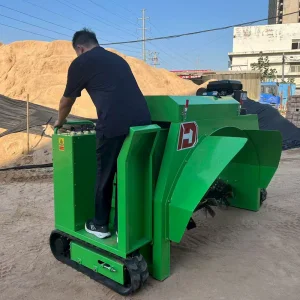
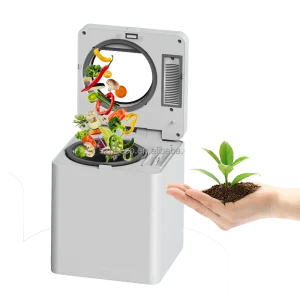
Explore our extended lineup of specialized sludge dewaterers, commercial food waste recyclers, and fermentation tanks.
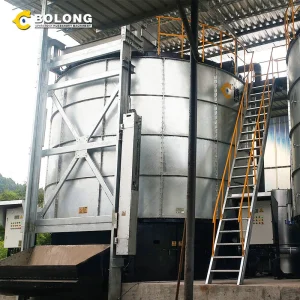
Expert insights addressing key operational, financial, and environmental compliance queries.
 AgBio Energy