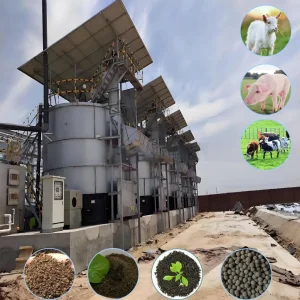
The global transition toward a circular economy has positioned bio-waste processing as a critical pillar of sustainable development. As municipalities and agricultural sectors face stricter environmental regulations, the demand for "Waste-to-Resource" technologies is accelerating. Modern bio-waste solutions now integrate IoT sensors, real-time fermentation monitoring, and automated nutrient management systems, ensuring that organic waste is not merely treated but transformed into high-value organic fertilizers.
Macro-Trends include:
When sourcing bio-waste equipment, decision-makers must prioritize Total Cost of Ownership (TCO) over initial capital expenditure. Chengdu AgBio Energy Co., Ltd. demonstrates how professional manufacturing integrates process engineering with hardware reliability. Established in 2013, the company has mastered the lifecycle of organic waste treatment, from livestock manure management to municipal food waste recovery.
Why AgBio Energy stands out:
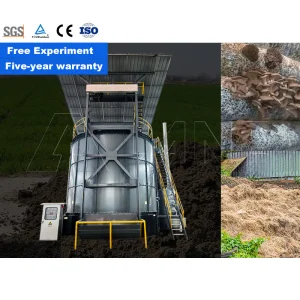
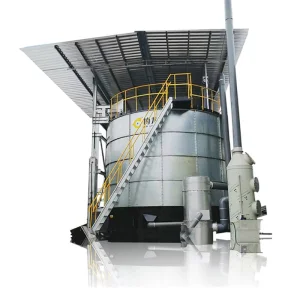
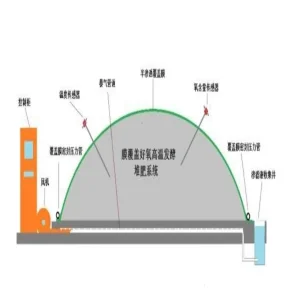
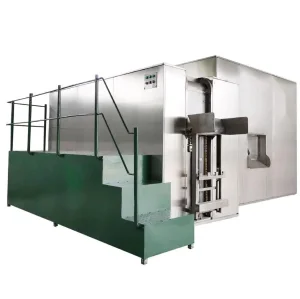
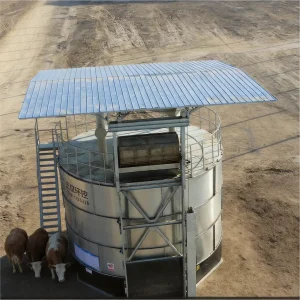
The future of bio-waste processing lies in "Intelligence-Driven Systems." Future-ready systems now incorporate AI-driven fermentation logic that dynamically adjusts moisture, temperature, and aeration. This ensures consistent output quality, regardless of the complexity of the input organic waste. As global enterprises look to minimize their carbon footprint, the integration of In-Vessel composting technologies is becoming standard for farms and food processing plants, drastically mitigating odor and pest issues while producing commercially viable fertilizer.
Q: What types of waste can be processed with these systems?
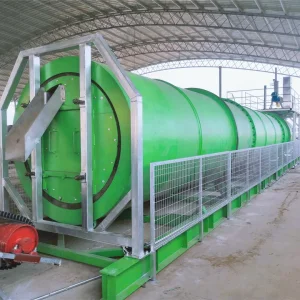
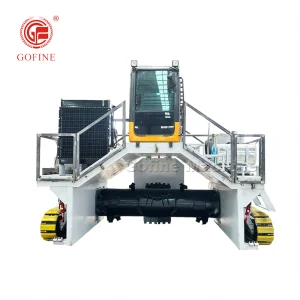
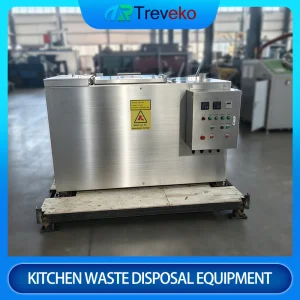
A: Systems are engineered for diverse organic streams, including livestock manure, municipal solid waste (MSW), commercial food waste, and agricultural by-products.
Q: Does AgBio Energy provide support for international deployment?
A: Yes, with experience in global distribution, the company offers full technical documentation, installation guidance, and remote commissioning support to ensure smooth operation in any region.
Q: How does the in-vessel fermentation process differ from traditional methods?
A: In-vessel composting provides a controlled environment that accelerates biological breakdown, prevents nutrient loss, and eliminates pathogens, resulting in high-quality compost in a fraction of the time.
 AgBio Energy