Industry-leading equipment for organic waste transformation and soil remediation.
Established in 2013 in Chengdu, Sichuan, Chengdu AgBio Energy Co., Ltd. has pioneered the integration of biotechnology and environmental engineering for over a decade.
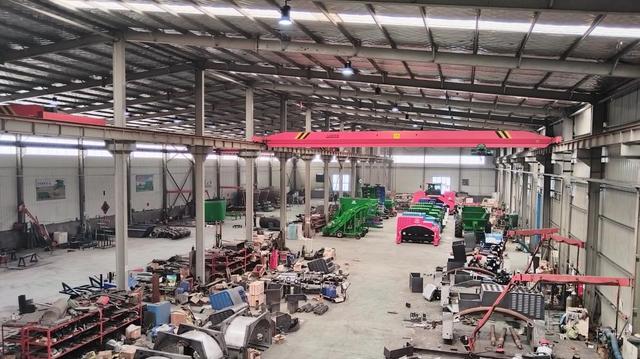
Operating a 16,000+ SQM modern facility with 230+ specialists focused on circular economy solutions and resource recovery technologies.
Delivering high-efficiency waste management systems to agricultural, municipal, and commercial sectors across 50+ countries.
As a leading Ecosystem Restoration Solutions Manufacturer, AgBio Energy integrates engineering expertise, process optimization, and advanced manufacturing to develop reliable composting and organic waste recycling systems. We operate modern production workshops and testing facilities to ensure product quality, operational efficiency, and long-term reliability. Our mission is to support global landfill reduction and environmentally responsible waste management through innovation.
A Professional Whitepaper on Bio-Waste Transformation
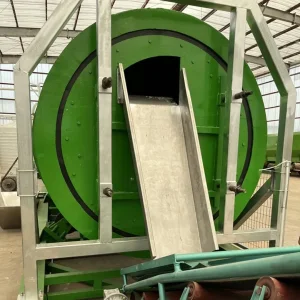
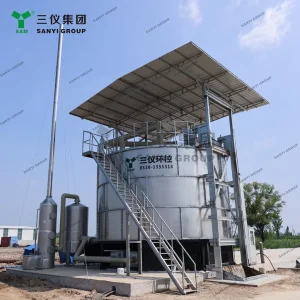
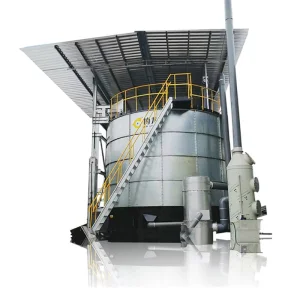
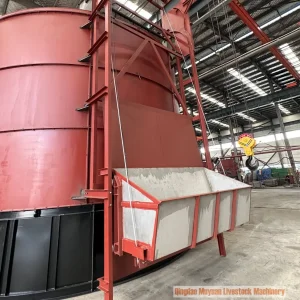
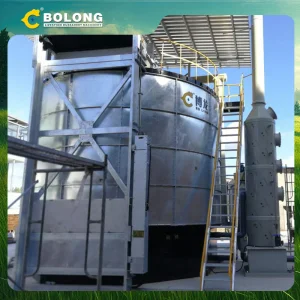
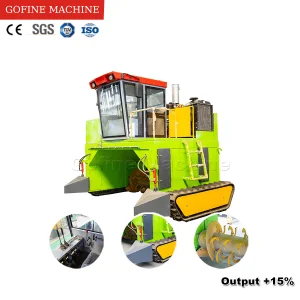
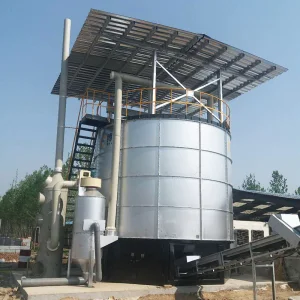
Ecosystem restoration is not merely about planting trees; it's about restoring the fundamental nutrient cycles of the Earth. Organic waste, when sent to landfills, produces methane—a greenhouse gas 25 times more potent than CO2. Our solutions, such as the In-vessel Composting Fermentation Machines, intercept this waste stream and convert it into nutrient-rich humus. This process sequesters carbon back into the soil, improving water retention, microbial diversity, and agricultural productivity.
SQM Factory Area
Skilled Employees
Years of Expertise
Global Projects
Why Chengdu AgBio Energy is your ideal Strategic Partner
Located in the industrial hub of Chengdu, we have immediate access to high-grade steel, advanced electronics, and specialized biological inoculants, ensuring uninterrupted production and competitive pricing.
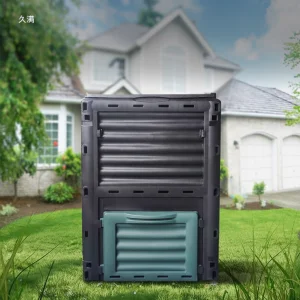
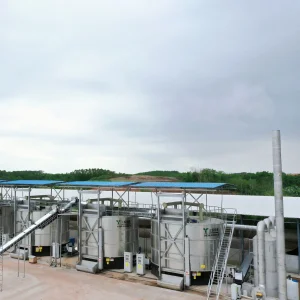
Our engineering team provides high-level customization. From 300L garden bins to 130 cubic meter industrial biofertilizer reactors, we tailor solutions to specific moisture levels and climate conditions.
Utilizing China's world-class logistics network and the "Belt and Road" rail links, we ensure faster delivery times to Europe, Central Asia, and beyond compared to traditional sea freight.
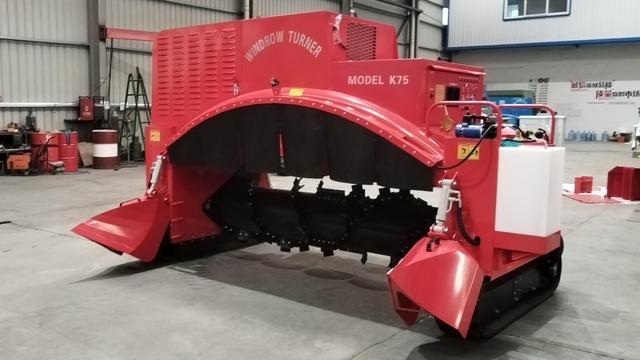
Solving the world's most pressing environmental challenges
| Sector | Challenge | AgBio Restoration Solution | Ecological Outcome |
|---|---|---|---|
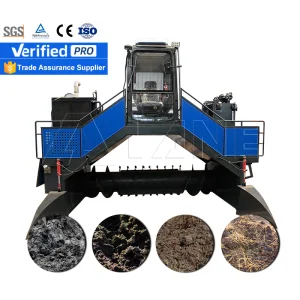
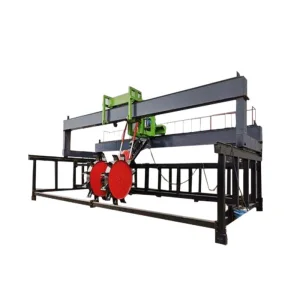
| Large-scale Farming | Excessive livestock manure & runoff | Aerobic Fermentation & Manure Composting | Nutrient recycling; Reduced water pollution |
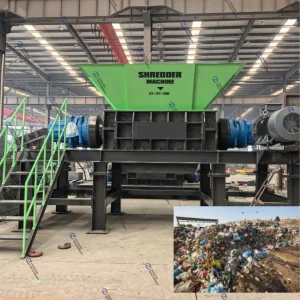
| Municipal Waste | High landfill costs & methane emissions | Automatic Waste Sorting & Bio-Disposal | Landfill diversion; Carbon footprint reduction |
| Food Processing | High-moisture organic byproduct waste | High-Efficiency Fertilizer Machinery | Conversion to marketable organic fertilizer |
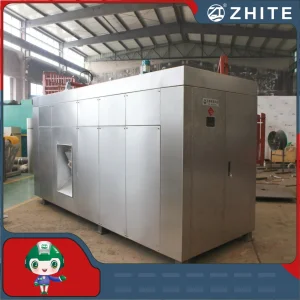
| Commercial/HO-RE-CA | Expensive waste hauling fees | On-site Food Waste Composting | 80-90% volume reduction; On-site sustainability |
When global enterprises source Ecosystem Restoration Solutions, they prioritize three factors: Durability, Compliance, and ROI. AgBio Energy meets these needs by utilizing high-corrosion-resistant materials (essential for manure processing), ensuring CE/ISO certification standards, and providing systems that typically pay for themselves within 18-24 months through waste hauling savings and fertilizer sales.
Technical insights into modern restoration technology
Scalable solutions for every environmental project
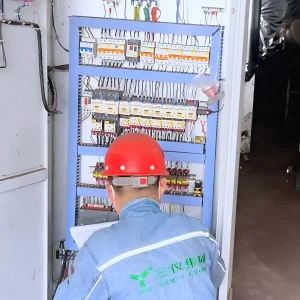
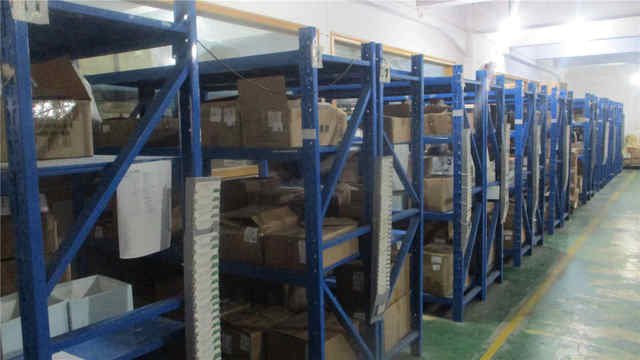
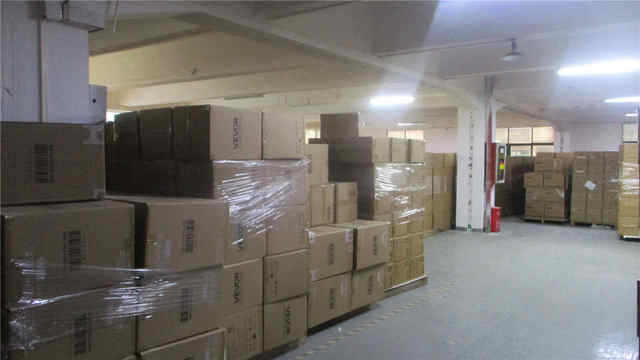
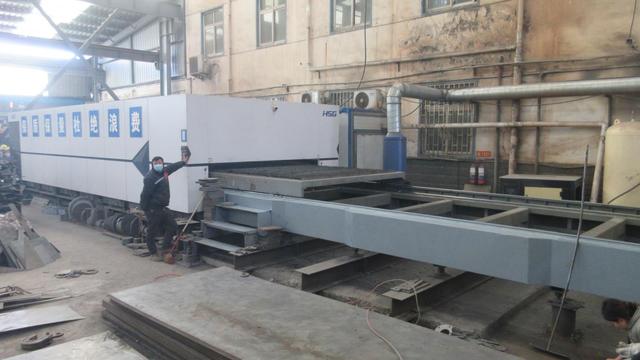
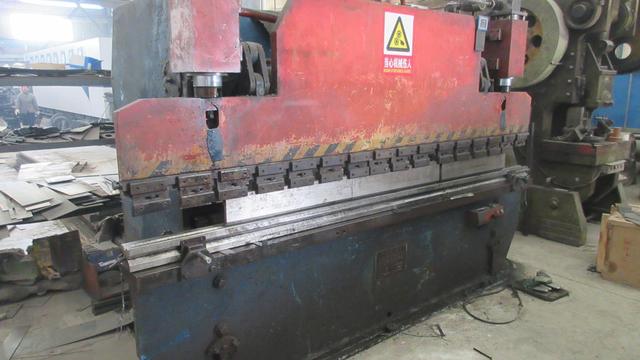
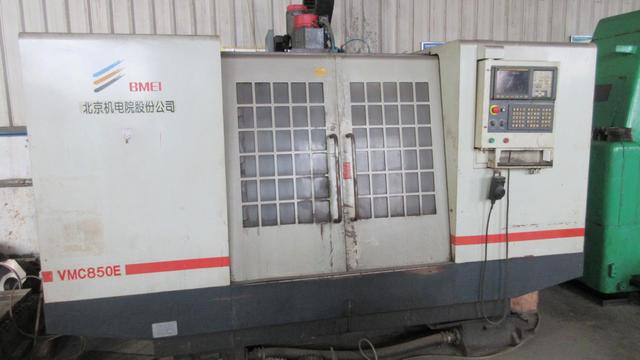
Precision Engineering & Quality Control
 AgBio Energy