Explore our industrial and household grade waste recycling, dewatering, and advanced composting systems deployed globally.
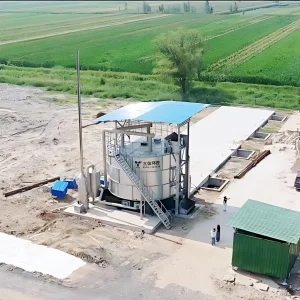
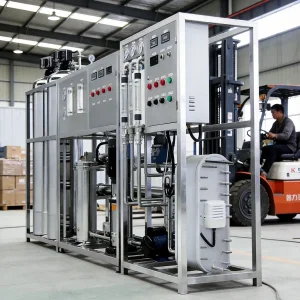
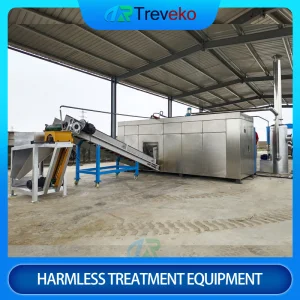
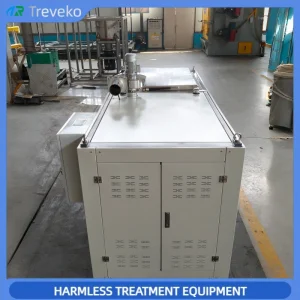
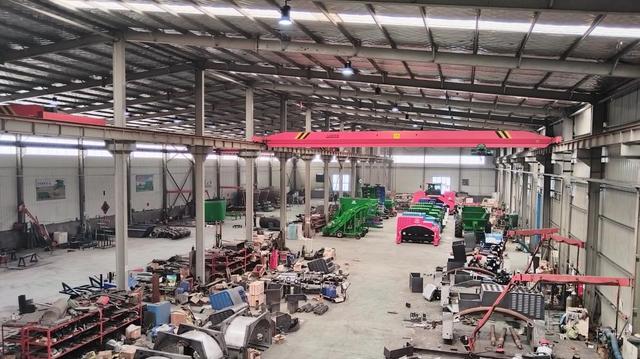
Established in 2013 and headquartered in Chengdu, Sichuan Province, China, Chengdu AgBio Energy Co., Ltd. is an industry-leading manufacturer and developer specializing in high-performance organic waste composting systems, intelligent food waste recycling equipment, and macro municipal bio-waste treatment systems. Operating from a modern 16,000 square meter fabrication facility with over 230 specialized employees, we bridge the gap between engineering feasibility and sustainable environmental development.
Our core mission is to empower farms, municipal environmental bureaus, hospitality companies, and solid waste processing contractors to transform organic refuse into certified high-grade fertilizers and clean energy. Through rigorous quality assurance protocols, thermal efficiency optimizations, and state-of-the-art biological treatment vessels, we facilitate real-world biological recovery and carbon mitigation.
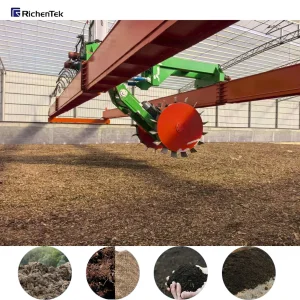
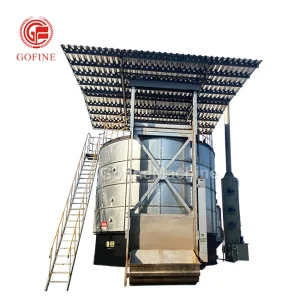
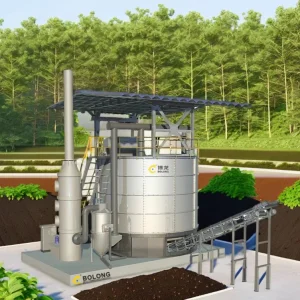
Our systems convert agricultural residues, kitchen waste, animal mortalities, and municipal organic solids into stabilized compost using aerated bioreactors, minimizing landfill methane output while returning vital organic matter to depleted soils.
Technological trends driving environmental sustainability, resource recovery, and legislative compliance globally.
Global logistics bottlenecks and fuel costs have forced a migration from centralized municipal landfills to local, on-site processing units. Deploying decentralized food waste composting bioreactors at commercial centers, large-scale complexes, and agricultural cooperative nodes eliminates carbon-intensive waste transportation and cuts handling costs.
Urban expansion brings organic treatment plants closer to residential areas. Modern specifications mandate completely sealed aerobic digestors equipped with multi-stage scrubber systems, acid wash units, and biological active-carbon filters to prevent emissions of hydrogen sulfide (H₂S) and ammonia (NH₃), achieving perfect community compliance.
Automation is standard. Integration of PLC processors, temperature probes, dissolved oxygen telemetry, and moisture content optimization algorithms guarantees consistent high-quality outputs. Procurement departments actively seek out IoT-enabled composting machinery that can be monitored remotely via dashboard apps.
Industrial and municipal waste operators weigh several factors when evaluating high-capacity composting systems. Beyond capital expenditure, operational efficiency and product reliability determine the long-term project return on investment (ROI).
Aerobic bacteria thrive in the thermophilic range (55–65°C). Bioreactors must feature insulation layers to maintain high biological heat levels without reliance on external electrical elements.
Food and animal wastes contain high concentrations of organic acids and salt. Bioreactors built with SUS304 or SUS316 stainless steel resist chloride pitting and corrosion, extending equipment life.
Processing municipal solid waste, high-moisture fruits, and animal mortalities requires versatile equipment. Dynamic mixing systems must handle varying organic bulk densities and moisture levels.
Chengdu AgBio Energy Co., Ltd. ensures all equipment meets strict international safety and environmental guidelines:
Guarantees motor, electrical, and pressure vessel safety for deployment across European markets.
Validates consistent quality management system execution and standardized environmental operations.
Meets international EPA standards requiring organic waste exposure above 55°C for 3 consecutive days.
How we design custom end-to-end biological recovery systems for municipal and agricultural scale developers.
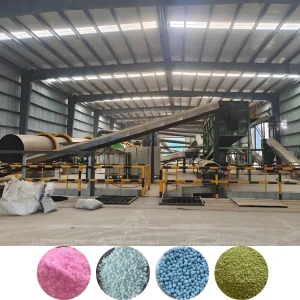
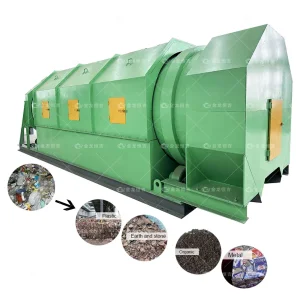
Municipal solid waste (MSW) presents challenges due to contaminants like plastics, glass, and metals. Our high-throughput systems combine automated mechanical sorting lines (using magnetic separators, air classifiers, and drum screens) with large-scale bioreactor tanks. The sorted organic fraction undergoes thermophilic fermentation, producing stabilized fertilizer, while inorganic materials are routed to dedicated recycling streams.
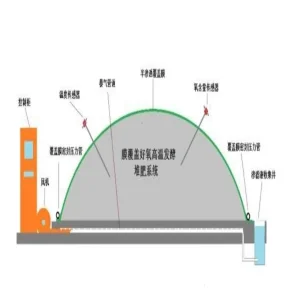
Livestock farms face strict regulations regarding cattle manure runoff and livestock mortality. We offer membrane-covered aerobic composting units and animal composting bioreactors designed for rural environments. These systems lock in nitrogen, destroy pathogens, reduce bulk volume by up to 70%, and yield biological fertilizers that can be directly applied to farm soils.
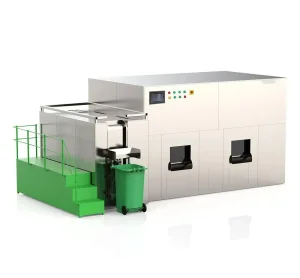
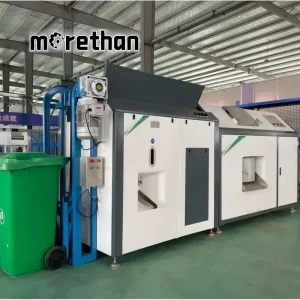
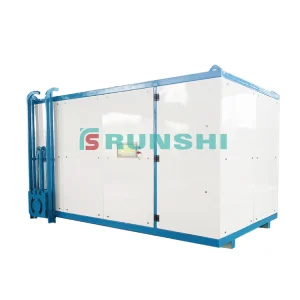
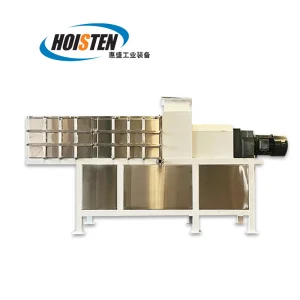
Supermarkets, university cafeterias, and hotels produce organic waste with high moisture content (often over 80%) and high sodium levels. Our commercial food waste systems utilize mechanical shredders, screw-press dewaterers, and active aerobic fermentation chambers. By extracting excess water and optimizing ambient oxygen levels, compost stabilizes in 24–48 hours, reducing volume and minimizing potential odors.
Our focus on improving biological activity, reducing thermal loss, and integrating telemetry.
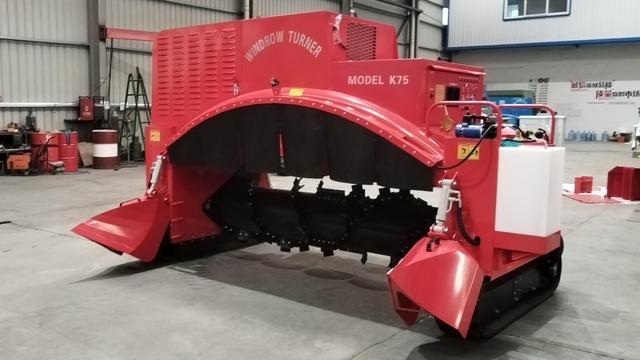
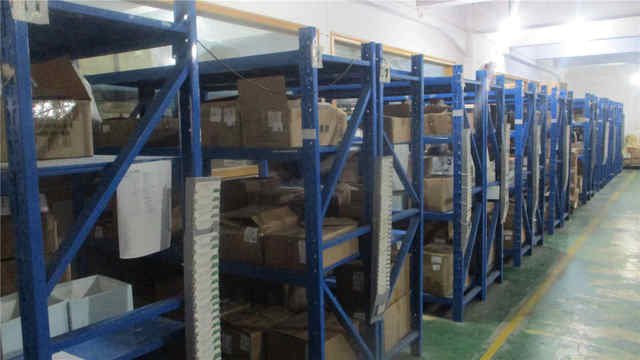
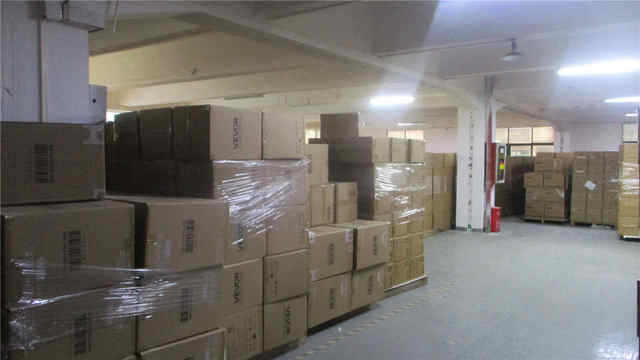
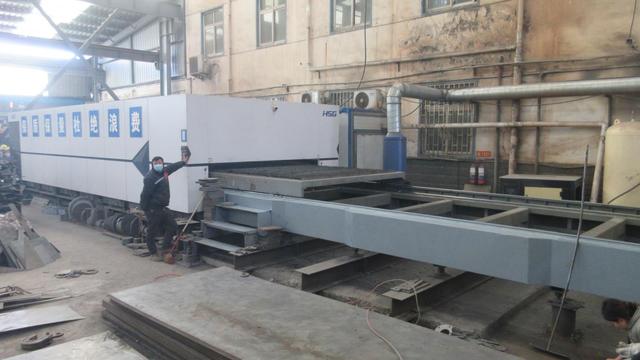
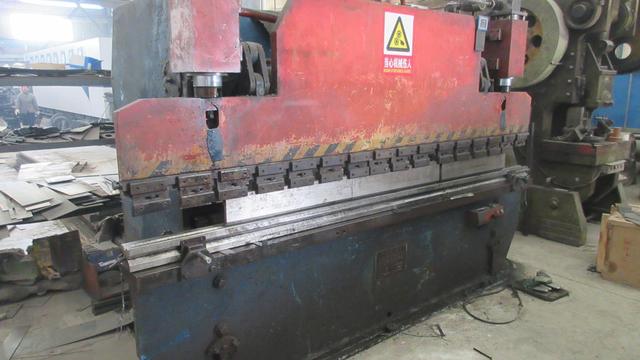
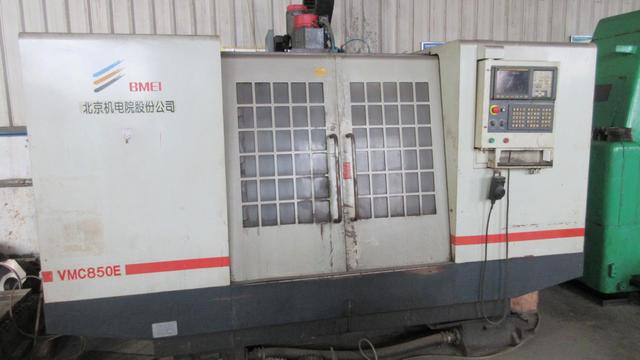
Direct view inside our 16,000 square meter workshops, engineering bays, and test assembly lines in Chengdu, China.
Common questions from design firms, system operators, and purchasing agents regarding our waste treatment solutions.
Explore our industrial bioreactors, sorting lines, and membrane-covered composting equipment.
 AgBio Energy