In the era of the Global Circular Economy, organic waste is no longer viewed as a liability but as a strategic asset. The shift from "waste disposal" to "resource recovery" has redefined the industrial landscape. As businesses face stricter environmental regulations and rising ESG (Environmental, Social, and Governance) pressures, the demand for sophisticated Industrial Organic Waste Solutions has reached an all-time high. This white paper explores the critical components of high-efficiency waste management, identifying the top suppliers and the technological roadmaps driving the industry forward.
Industrial organic waste includes a wide spectrum of biodegradable materials—ranging from municipal food scraps and agricultural residues to livestock manure and industrial sewage sludge. Transforming these into high-value organic fertilizers, biogas, or reclaimed water requires more than just machinery; it requires a deep integration of microbial technology, thermal dynamics, and AI-driven process control.
Smart sensors now monitor fermentation temperature, moisture, and oxygen levels in real-time, optimizing the metabolic rates of aerobic bacteria and reducing energy consumption by up to 30%.
A move away from massive centralized plants toward on-site, modular solutions. Businesses are processing waste at the source (hotels, hospitals, factories) to eliminate transportation costs and emissions.
Beyond simple compost, the focus is now on specialized biological proteins, high-purity humic acids, and carbon-neutral fuels derived from organic feedstocks.
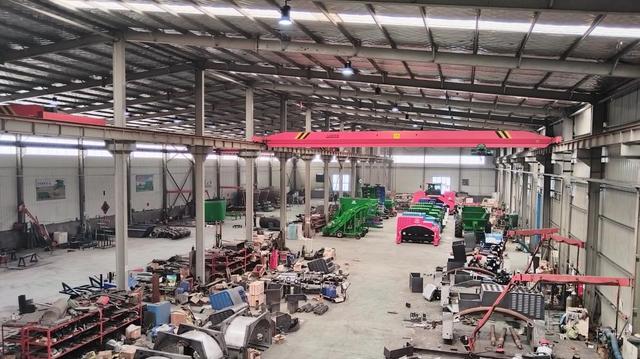
As a leading force in the Top 10 Industrial Organic Waste Solution Suppliers list, Chengdu AgBio Energy Co., Ltd. exemplifies the intersection of engineering rigor and environmental stewardship. Established in 2013 and headquartered in the high-tech hub of Chengdu, AgBio Energy has pioneered the "Bio-Energy Integration" model. With a 16,000-square-meter state-of-the-art manufacturing facility and a specialized team of over 230 engineers, the company bridges the gap between raw organic waste and market-ready resources.
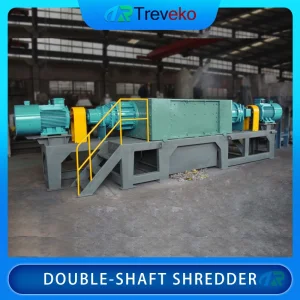
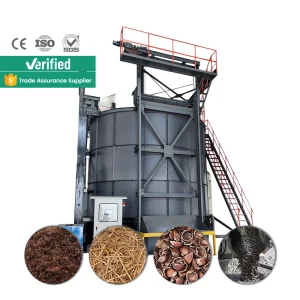
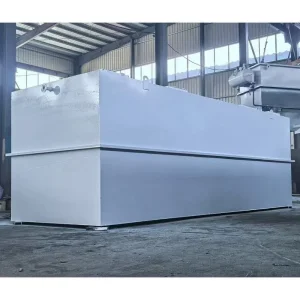
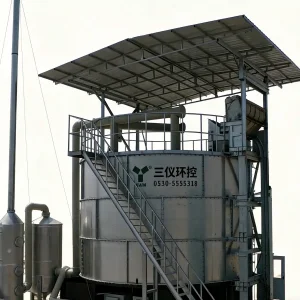
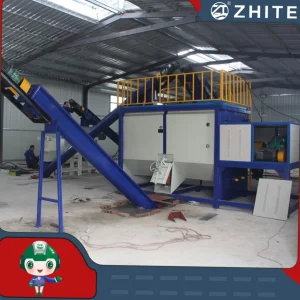
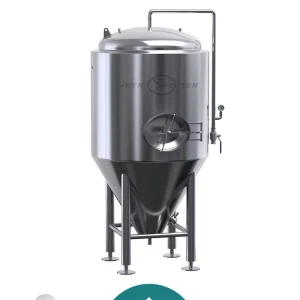
The company’s portfolio is comprehensive, covering every stage of the waste lifecycle. From high-torque double-shaft pre-shredders that prepare tough industrial feedstocks to large-capacity fermentation tanks (up to 220 m³), AgBio Energy provides the mechanical infrastructure necessary for commercial success. Their systems are deployed across diverse sectors, including municipal bio-waste centers, large-scale poultry farms, and food processing conglomerates.
Global procurement directors are increasingly prioritizing Total Cost of Ownership (TCO) over initial capital expenditure (CAPEX). Key requirements from international buyers include:
Modern organic waste management is divided into three major technical routes, each serving a different search intent and industrial application:
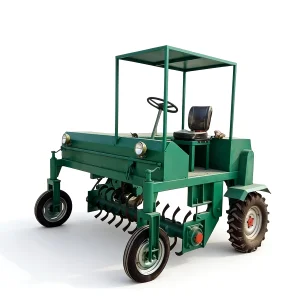
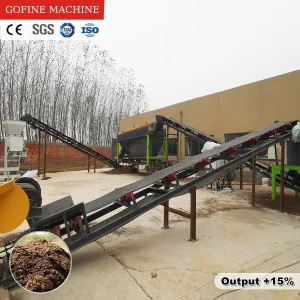
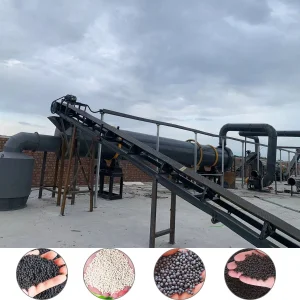
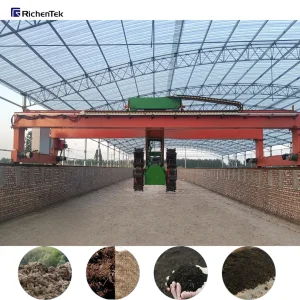
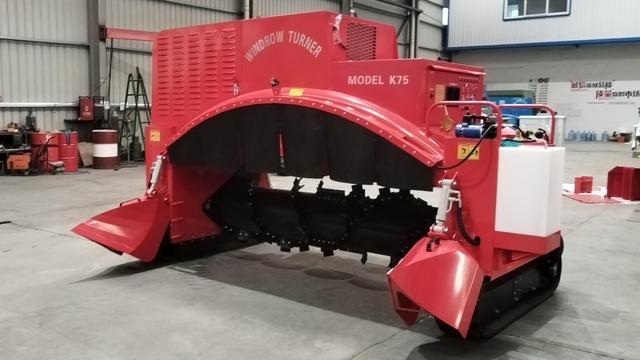
Utilizing high-temperature aerobic microbes to stabilize organic matter in 7-15 days. This is the gold standard for agricultural waste, turning manure into granular or powdered organic fertilizers. Key machines include self-propelled compost turners and vertical fermentation tanks.
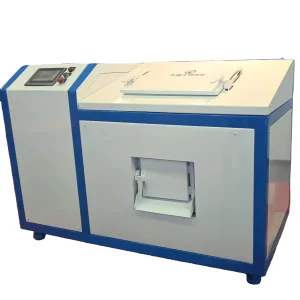
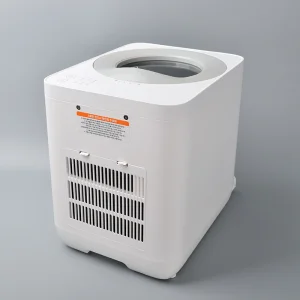
Targeted at commercial environments like hotels and restaurants. These systems achieve a 90% volume reduction through grinding, heating, and microbial decomposition, leaving a nutrient-rich dry residue.
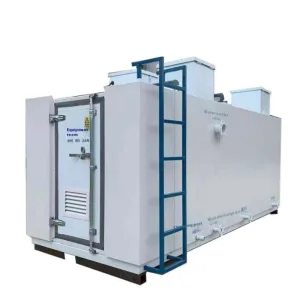
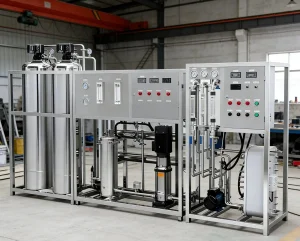
Integrating MBR (Membrane Bio-Reactor) and RO (Reverse Osmosis) technologies to treat sewage and industrial wastewater. This allows for closed-loop water recycling within manufacturing plants, achieving salt rejection rates of up to 98%.
Looking toward 2030, the technical roadmap for organic waste solutions is focused on Carbon Sequestration. Future systems will not only process waste but will also measure and certify the carbon credits generated by diverting organic matter from landfills. This integration of "Waste-to-Credit" technology will provide a new revenue stream for operators and help corporations meet their Net-Zero targets.
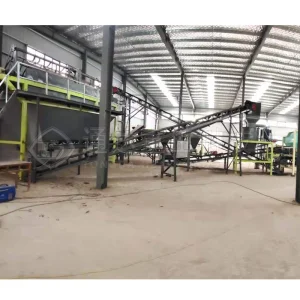
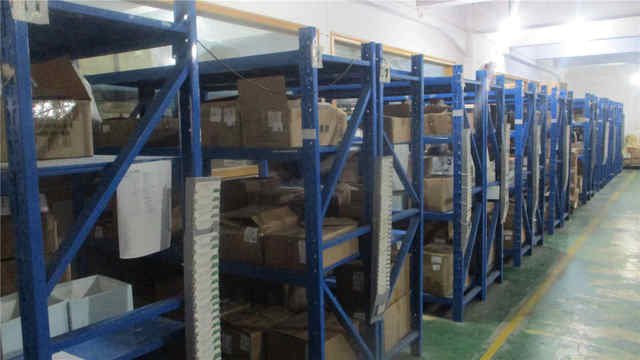
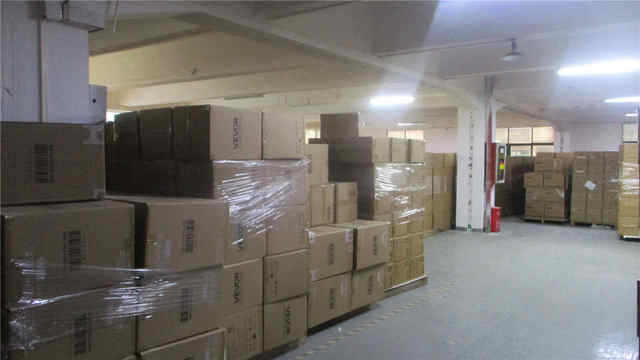
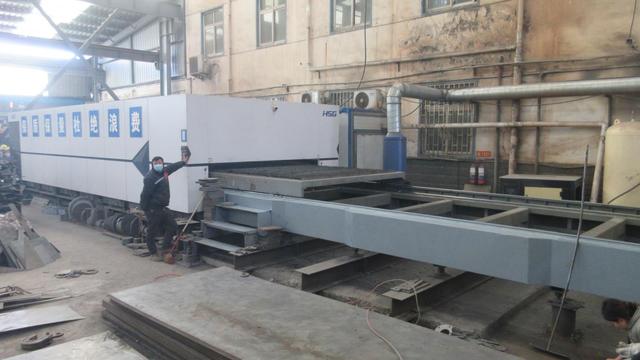
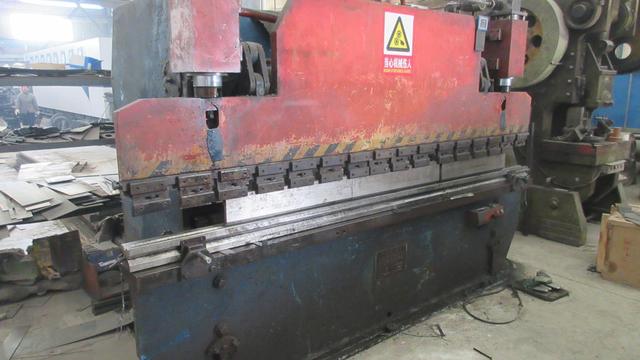
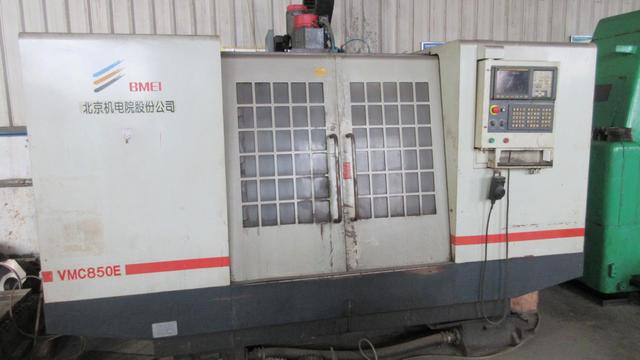
AgBio Energy operates modern production workshops, assembly lines, and testing facilities to ensure product quality and operational efficiency. We offer OEM and ODM services, providing customized waste treatment solutions tailored to specific project requirements, processing capacities, and operational environments.
 AgBio Energy