In the current era of climate urgency, the role of Waste Processing Machinery Factories has shifted from simple disposal to sophisticated resource recovery. As global municipalities and agricultural giants strive for carbon neutrality, the demand for Aerobic Fermentation and Waste-to-Fertilizer technology has reached an all-time high. This white paper explores the critical pillars of E-E-A-T (Experience, Expertise, Authoritativeness, and Trustworthiness) within the manufacturing sector.
The waste processing industry is no longer a monolithic sector. It is a highly specialized ecosystem where suppliers must demonstrate Information Gain—offering unique technical insights such as 10-15% lower energy consumption ratios and IoT-enabled remote monitoring. Selecting the right factory requires an understanding of their technological roadmap and their ability to provide localized support across diverse regulatory environments (such as the EU's Waste Framework Directive or the US EPA's AgSTAR program).
Chengdu AgBio Energy Co., Ltd. is a professional manufacturer specializing in organic waste composting equipment, food waste recycling systems, and sustainable waste treatment solutions. Established in 2013 and headquartered in Chengdu, Sichuan Province, China, the company is dedicated to helping businesses, agricultural operations, municipalities, and environmental service providers transform organic waste into valuable resources.
With a modern manufacturing facility covering more than 16,000 square meters and a team of over 230 employees, AgBio Energy delivers efficient and environmentally responsible waste management technologies to customers around the world.
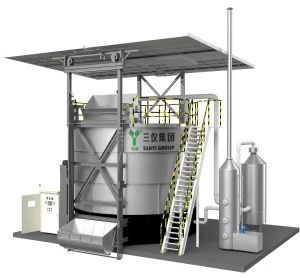
Expertise focus: High-temperature aerobic fermentation, anaerobic digestion pretreatment, and membrane-covered composting systems.
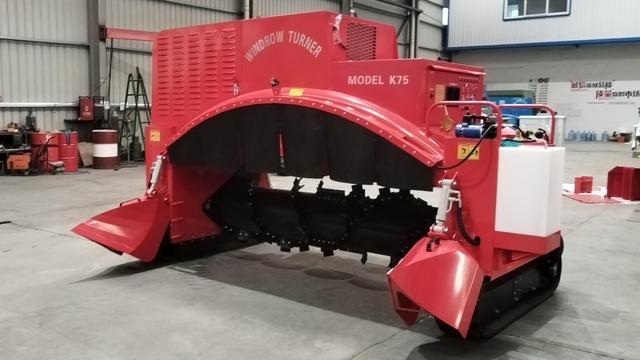
Future waste machinery will feature real-time sensor arrays monitoring moisture, C:N ratios, and temperature, automatically adjusting aeration rates via AI algorithms to optimize microbial activity.
Focusing on 10-15% lower energy consumption by utilizing heat exchangers to reclaim thermal energy generated during the exothermic aerobic process, reducing the external power load.
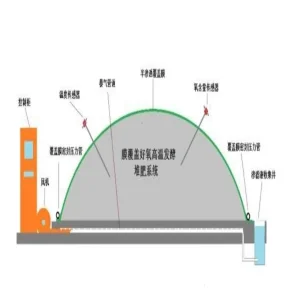
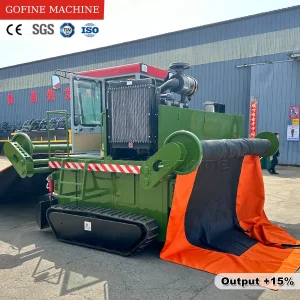
Transitioning from basic tarps to ePTFE semi-permeable membranes that allow water vapor to escape while trapping odors, pathogens, and VOCs, enabling open-air composting near urban areas.
AgBio Energy integrates engineering expertise, process optimization, and advanced manufacturing technologies to develop reliable composting and organic waste recycling systems. The company operates modern production workshops, assembly lines, and testing facilities to ensure product quality, operational efficiency, and long-term reliability. Strict quality management procedures are implemented throughout product development, manufacturing, installation, and customer support processes.
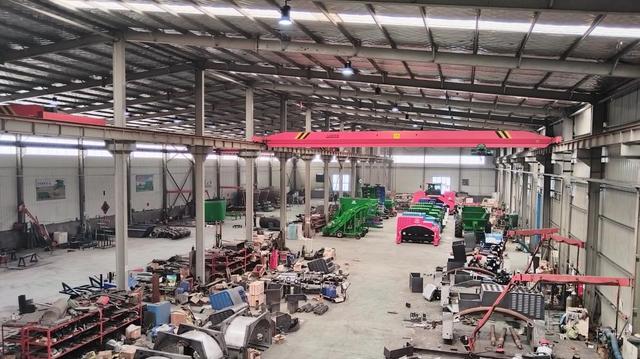
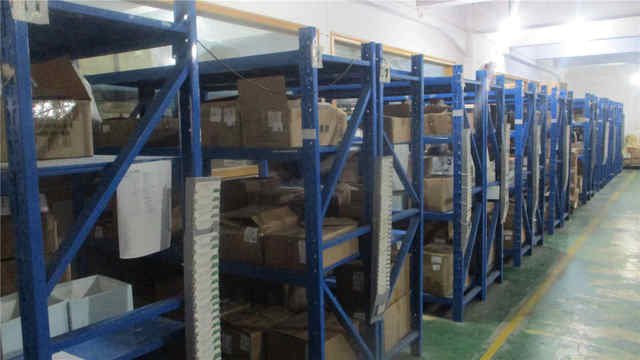
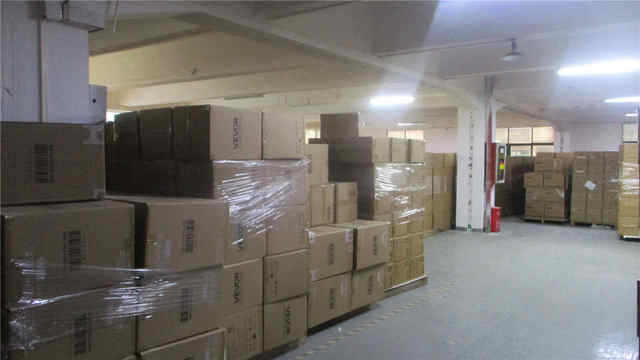
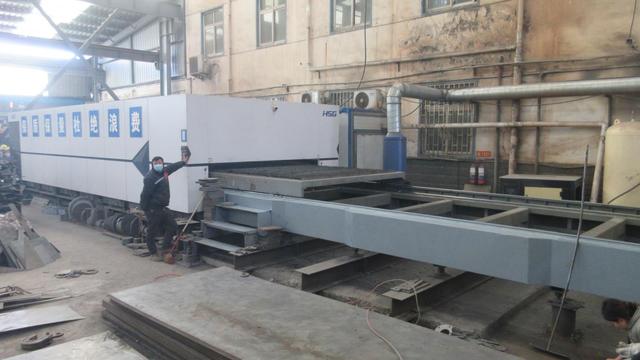
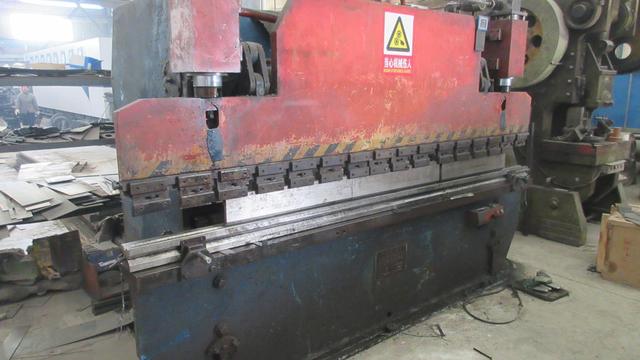
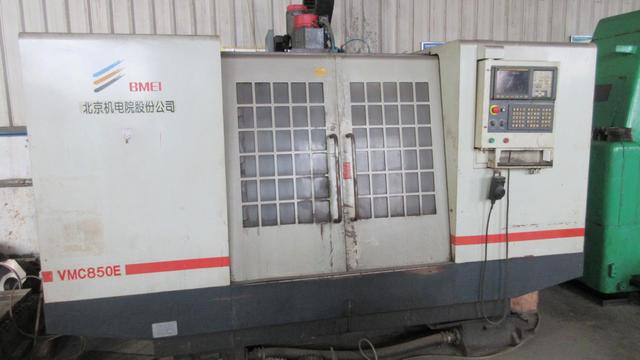
Why do leading global enterprises look to Chinese suppliers like AgBio Energy? The answer lies in the Vertical Integration of the Supply Chain. Unlike fragmented western markets, Chengdu's industrial cluster provides immediate access to high-grade steel, advanced PLC controllers, and specialized chemical-resistant coatings. This allows for:
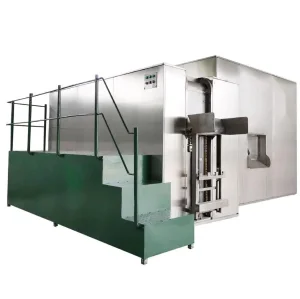
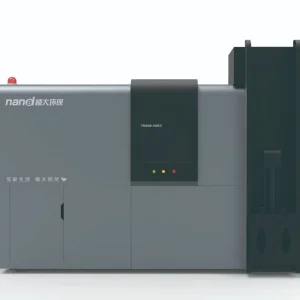
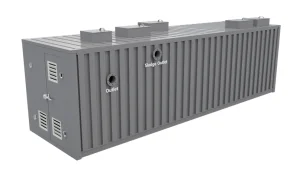
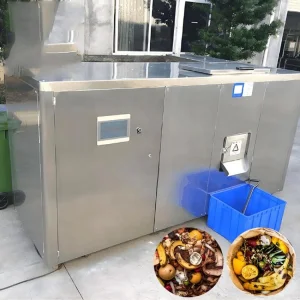
Hotels and restaurants utilize the Thermax-10000 series to reduce food waste volume by 90% onsite, drastically lowering waste hauling fees and carbon footprints.
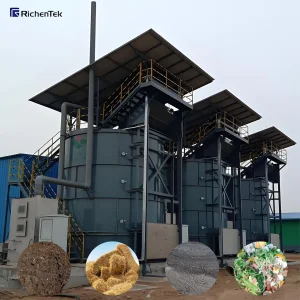
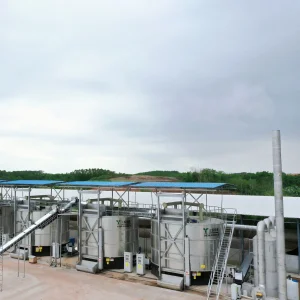
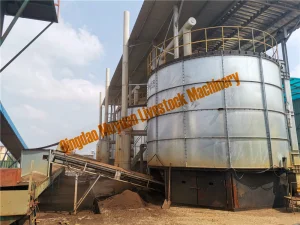
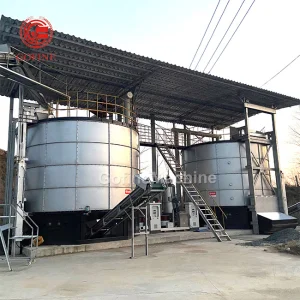
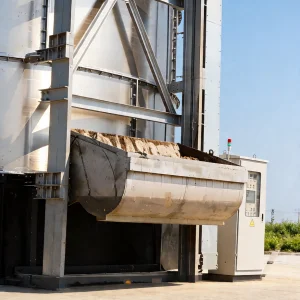
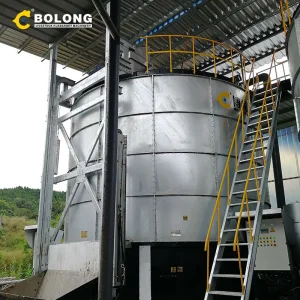
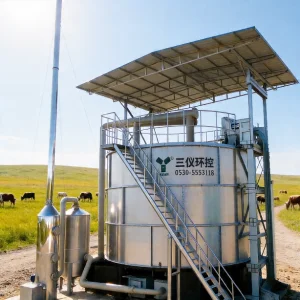
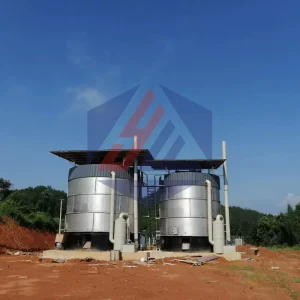
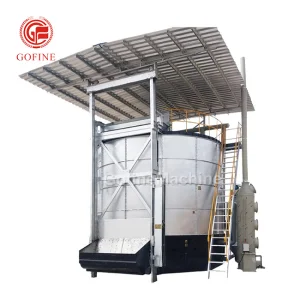
Large-scale poultry farms implement the 130 Cubic Meter Biofertilizer Equipment to manage manure, preventing groundwater contamination and creating a secondary revenue stream from organic fertilizer.
Cities deploy centralized membrane-covered systems to process municipal green waste, meeting strict landfill diversion mandates and local environmental regulations.
 AgBio Energy