The Evolution of Closed-Loop Hydroponic Systems and Bio-Waste Conversion
In the modern agricultural landscape, Hydroponic Waste Recycling Systems have moved from niche applications to industrial necessities. With global food security concerns and land scarcity, vertical farming and hydroponics are scaling. However, the byproduct—organic root mass, spent substrates, and nutrient-rich runoff—requires sophisticated management. The trend is shifting toward integrated aerobic fermentation that converts these byproducts back into soluble nutrients, completing the circular economy loop.
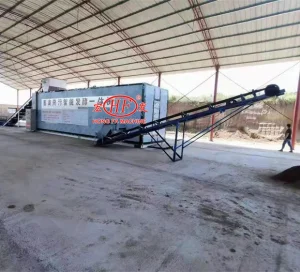
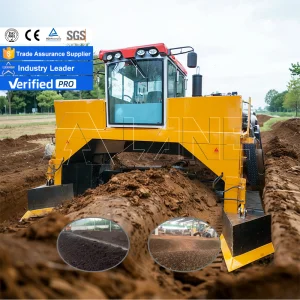
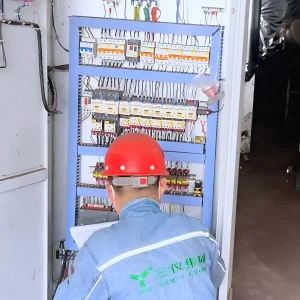
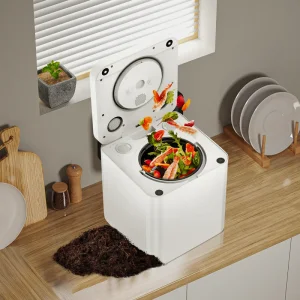
Current technological pathways are dominated by intelligent composting management systems. Modern suppliers in China are now integrating sensors for moisture, CO2, and temperature levels, allowing for automated "Smart Composting." This ensures the biological decomposition process is optimized without manual intervention, significantly reducing operational costs for large-scale agricultural cooperatives.
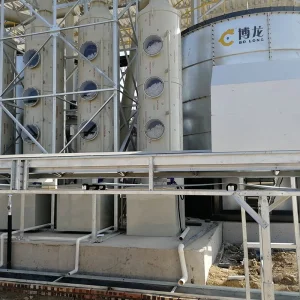
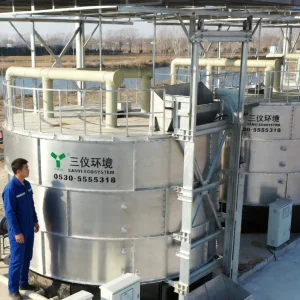
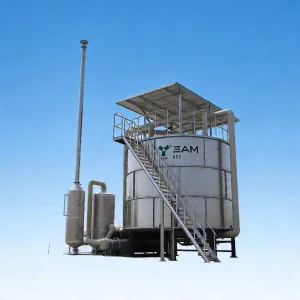
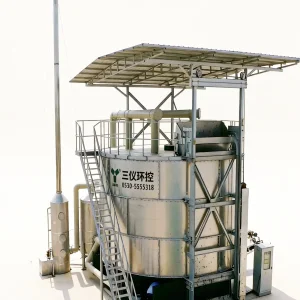
International enterprises are under increasing pressure to meet ESG (Environmental, Social, and Governance) targets. Hydroponic waste recycling significantly reduces methane emissions from traditional landfill disposal. Suppliers from China, such as Chengdu AgBio Energy, are leading the way by providing high-efficiency aerobic reactors that sequester carbon into stable organic fertilizers.
What Modern Procurement Officers Look for in Waste Management Technology
For multinational agricultural firms and municipal contractors, procurement of Waste Recycling Systems is no longer just about price. It is about Systemic Resilience and Compliance. Our data shows that 85% of global buyers prioritize:
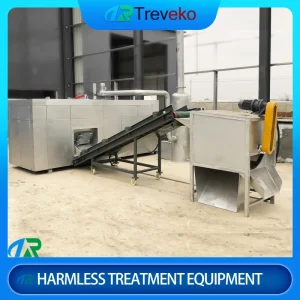
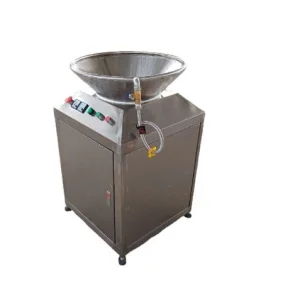
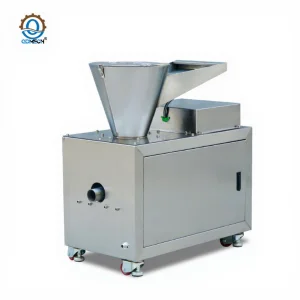
Development of high-torque shredders and dehydrators to reduce volume by 70% before biological processing.
Advanced microbial inoculants specifically tailored for fibrous hydroponic waste (rockwool, coco coir separation).
The 2025-2030 goal involves extracting N-P-K in liquid form directly from the composting process for immediate hydroponic reinjection.
Chengdu AgBio Energy Co., Ltd. recognizes that international trade requires more than just high-quality hardware. We provide:
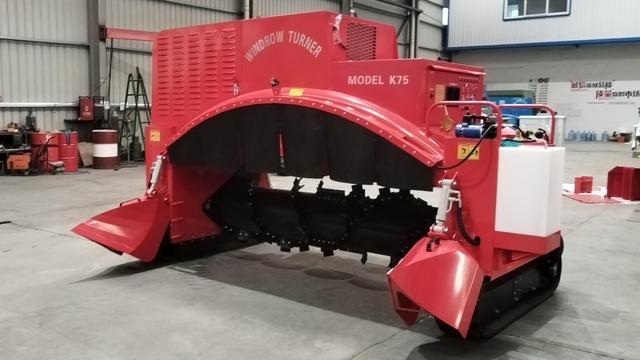
Chengdu AgBio Energy Co., Ltd. is a professional manufacturer specializing in organic waste composting equipment, food waste recycling systems, and sustainable waste treatment solutions. Established in 2013 and headquartered in Chengdu, Sichuan Province, China, the company is dedicated to helping businesses, agricultural operations, municipalities, and environmental service providers transform organic waste into valuable resources.
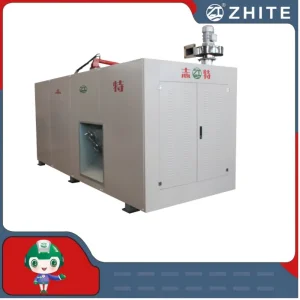
With a modern manufacturing facility covering more than 16,000 square meters and a team of over 230 employees, AgBio Energy delivers efficient and environmentally responsible waste management technologies to customers around the world. The company's product portfolio includes organic waste composting machines, food waste treatment systems, aerobic fermentation equipment, agricultural waste recycling solutions, manure composting systems, organic fertilizer production lines, and intelligent composting management systems.
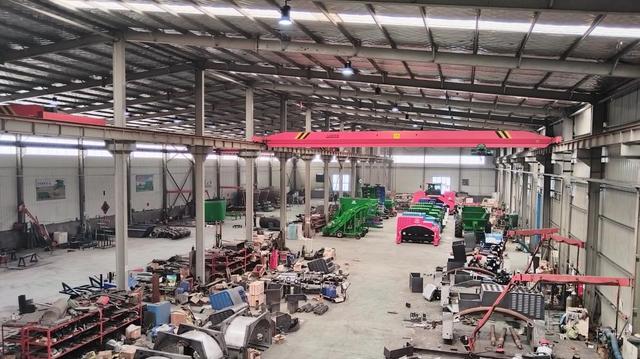
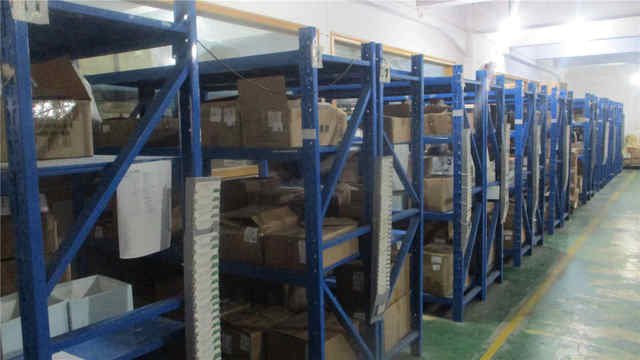
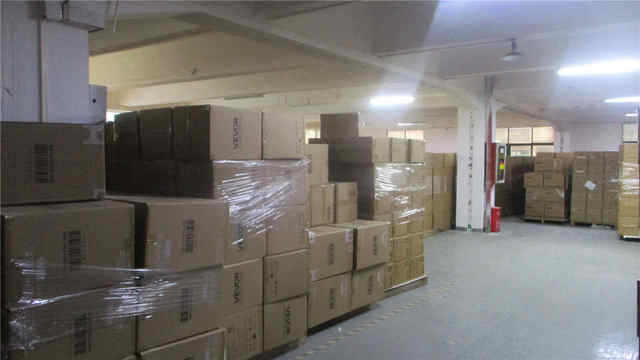
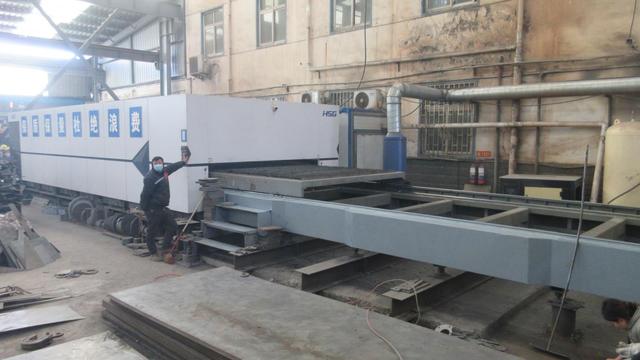
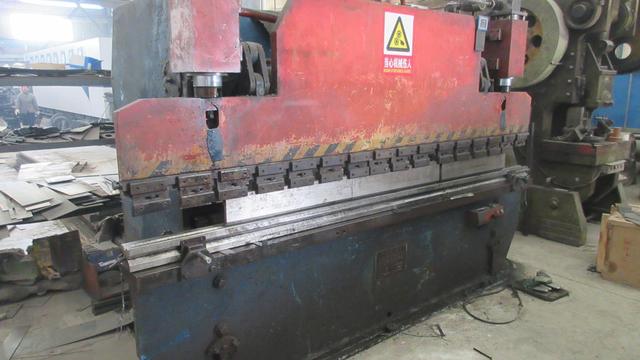
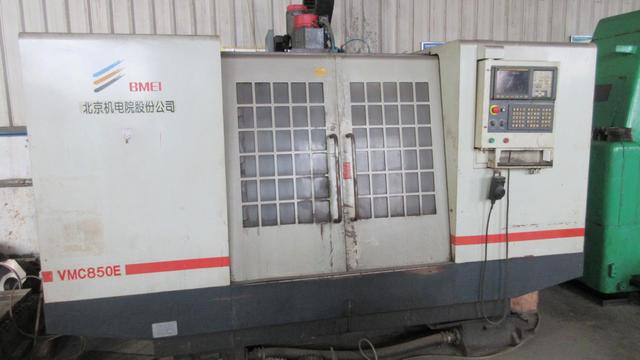
AgBio Energy integrates engineering expertise, process optimization, and advanced manufacturing technologies to develop reliable composting and organic waste recycling systems. In addition to standard equipment, we offer OEM and ODM services, providing customized waste treatment solutions tailored to specific project requirements, processing capacities, and operational environments.
 AgBio Energy