Explore our premium biological decomposition and organic material recycling systems, engineered to reduce volume, eliminate pathogens, and output high-value nutrient amendments.
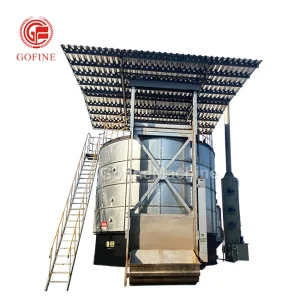
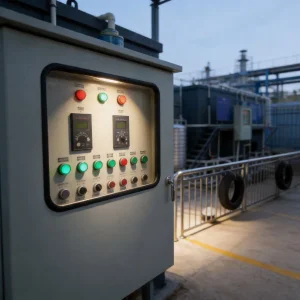
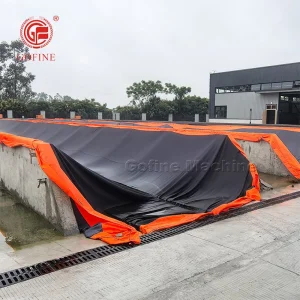
Established in 2013 and headquartered in the high-tech industrial manufacturing hub of Chengdu, Sichuan Province, China, Chengdu AgBio Energy Co., Ltd. has grown to become a premier designer and manufacturer of commercial organic waste composting equipment, mechanical kitchen waste recycling systems, and closed-loop biochemical recycling solutions. Driven by scientific innovation and the global mandate for landfill reduction, we enable municipalities, agricultural operators, corporate hospitality groups, and environmental service providers to transform heavy organic waste burdens into stable, premium bio-fertilizers and organic soil conditioners.
Our integrated approach links rigorous chemical engineering, microbiology research, and advanced mechanical fabrication. From localized high-temperature rapid bioreactors to commercial agricultural compost drum systems, our machines process diverse waste streams including food scrap residues, poultry manure, municipal sludge, and agricultural woody waste. We operate fully-audited assembly lines, certified stress testing cells, and post-installation validation frameworks to deliver unparalleled system uptime and process safety worldwide.
Our scalable technology stack addresses the entire organic recycling value chain. The portfolio features organic waste composting machines, intelligent aerobic fermentation tanks, commercial food waste recyclers, agricultural manure management installations, and high-efficiency organic fertilizer powder and pellet production lines. Supported by IoT-enabled monitoring, our systems optimize internal moisture, temperature, and aeration to accelerate standard processing cycles by up to 80% compared to traditional windrow composting.
Commercial waste management operators and enterprise procurement heads evaluate kitchen waste recycling systems on criteria far beyond upfront capital cost. Today's acquisition decisions are guided by total cost of ownership (TCO), strict regional compliance parameters, mechanical durability, and environmental safety performance.
Procurement departments balance energy input, biological inoculant usage, and consumable component life. AgBio Energy systems are engineered with energy-recovery loops, variable frequency drives (VFDs), and heavy-duty wear-resistant components to lower operational costs per processed ton by up to 35%.
Corporate sustainability goals and regional landfill bans demand verified organic waste diversion statistics. Our biological treatment units provide digital records and integrated scale sensors, enabling transparent data streams for Scope 3 emissions reporting and ESG audits.
Processing animal by-products and municipal food wastes requires absolute pathogen eradication. Our high-temperature aerobic digestion systems maintain temperatures above 55°C (131°F) for minimum sustained periods, complying with EU 1069/2009 and EPA 503 regulations.
Organic waste streams vary dramatically in moisture content, physical structure, chemistry, and degradation speed. A one-size-fits-all approach inevitably leads to mechanical failures, biological stalling, or odor problems. AgBio Energy configures tailored process pathways for specific industrial niches.
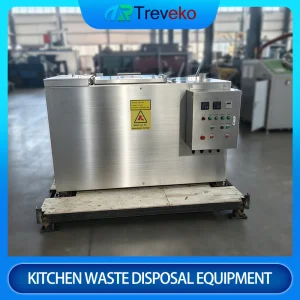
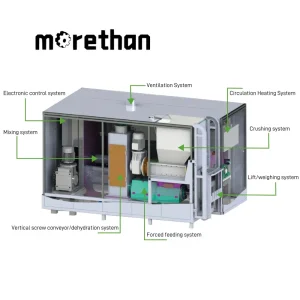
Hotels, corporate campus kitchens, and large university dining halls face high-volume food scraps containing excess moisture, sodium, and fats. Our compact commercial dewatering and aerobic digestion systems process waste on-site, offering up to 90% volume reduction within 24 hours. The resulting dry byproduct can be safely stored or directly integrated into municipal green waste compost operations.
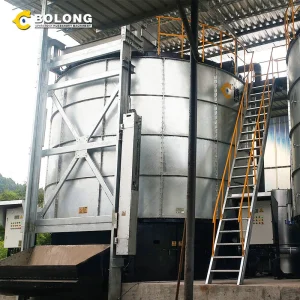
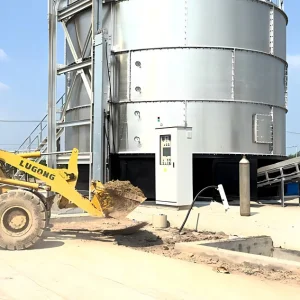
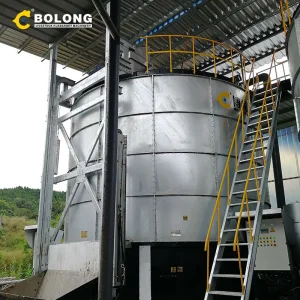
Modern intensive livestock facilities must process massive quantities of manure (cow, pig, chicken) while controlling nitrogen runoff and local pathogen spread. Our large-scale fermentation tanks and drum composters transform raw manure and agricultural wood shavings into stable, sanitarily safe organic fertilizers rich in bio-available soil nutrients.
Centralized regional organic waste plants process high-tonnage input with variable contamination profiles. Our heavy-duty industrial shredders, magnetic separators, and large-scale aerobic bioreactors are engineered to handle high throughputs (up to 3,000+ kg/hour), operating continuously under demanding industrial schedules.
The core of biological transformation lies in maintaining the ideal micro-environment for thermophilic bacteria. Chengdu AgBio Energy Co., Ltd. continuously updates its technological roadmap to solve the historical challenges of organic recycling: moisture-induced anaerobic stalling, odor emissions, and excessive electrical load.
Our systems utilize specialized thermophilic microbial inoculants. These bacteria thrive in temperatures of 55°C to 75°C, rapidly breaking down complex organic compounds like lignocellulose, lipids, and proteins. High temperature processing naturally sanitizes the material, neutralizing pathogens, weed seeds, and pest eggs.
Raw kitchen waste frequently exceeds 80% moisture. Direct biological treatment of such wet material wastes thermal energy and risks anaerobic odors. Our systems utilize heavy-duty mechanical screw presses and thermal-dryer integrations to bring target raw moisture down to 50%-60%—the biological sweet spot for aerated composting.
Odor control is critical for installations in urban or commercial areas. We integrate multi-stage air management systems that draw process air through chemical scrubbers and specialized biofilters. These biofilters utilize natural wood chips or mature compost matrices to biologically digest odor-causing VOCs, ammonia, and hydrogen sulfide before clean air is released.
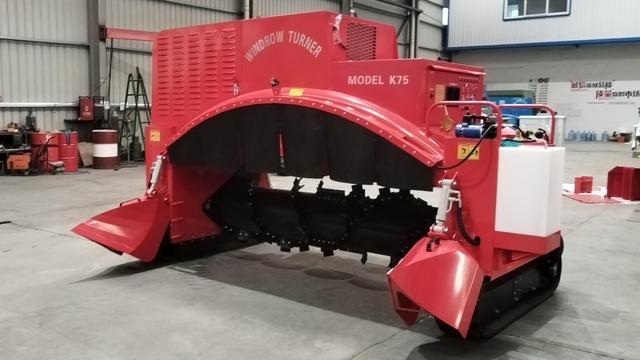
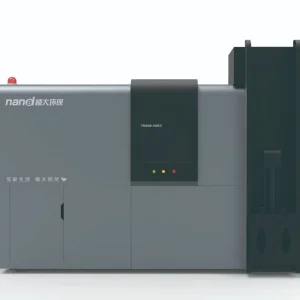
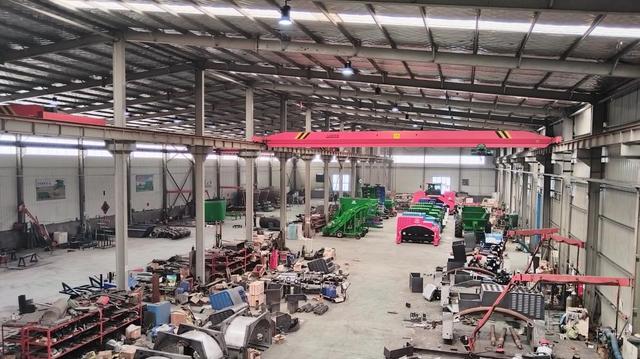
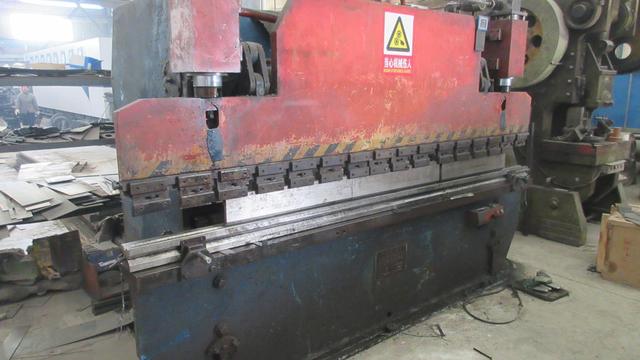
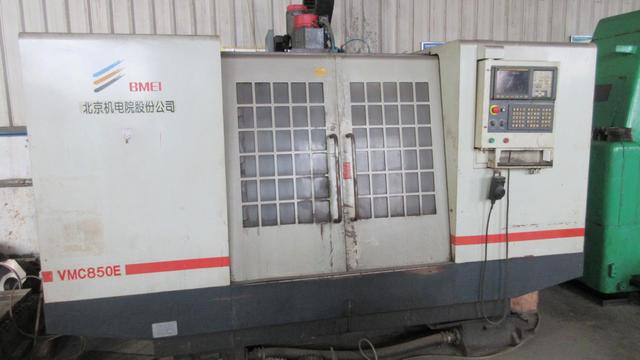
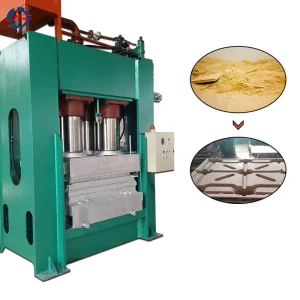
Figure 1: AgBio Energy's main high-tech processing machinery and mechanical fabrication plant floor.
Operating across international boundaries requires adaptation to diverse electrical codes, safety standards, and logistical environments. Chengdu AgBio Energy Co., Ltd. builds customized machinery tailored to local requirements, providing peace of mind for engineering leads and compliance officers alike.
Our designs comply with international industrial standards. We offer custom electrical panels configured with UL-listed components for the North American market, and CE-marked systems for European Union states. Control panels are designed for regional safety codes, with integrated emergency stops and automated pressure-release valves.
Every commercial facility presents unique space limits and layout challenges. Our engineering teams work alongside your system designers, utilizing CAD/3D modeling to tailor equipment heights, conveyor feed configurations, structural steel materials, and control panels to fit your existing facility footprints.
AgBio Energy systems feature optional industrial IoT gateways. This allows our engineers in Chengdu to securely monitor operational parameters, perform remote diagnostic troubleshooting, tune PLC profiles, and advise on optimization strategies, minimizing down-time and maintenance visits.
Find technical answers to common questions about industrial organic waste processing systems, cycle times, and operational maintenance.
For on-site commercial kitchen waste systems (like our 500-1000kg daily models), the rapid volume-reduction process takes between 18 to 24 hours, utilizing specialized thermophilic bacterial cultures to quickly stabilize food waste. For larger agricultural high-temperature aerobic fermentation tanks, the production of agricultural-grade mature organic fertilizer typically requires 7 to 15 days of continuous aerobic treatment.
High salinity and excess oil are common characteristics of food waste. Our kitchen waste recycling systems incorporate pre-treatment units featuring oil-water-solid separators to remove excessive grease, which is collected separately for potential biodiesel refinement. High salinity is managed through balanced organic material carbon bulking agents (like sawdust, rice husks, or straw) to dilute salt concentrations, protecting the biology from osmotic shock.
Our systems use a sealed, negative-pressure air containment design. Internal air is routed through multi-stage filtration, combining moisture condensers, chemical scrubbers, and active biofilters. The biofilters break down odor compounds like ammonia and hydrogen sulfide, keeping operations clean and scent-free for close-quarters installation in hotels, restaurants, and urban communities.
Our systems process organic waste streams including vegetable scraps, cooked food leftovers, small animal bones, bakery products, paper napkins, animal manure, agricultural crop stalks, and sewage sludge. In contrast, inorganic matter (metals, plastics, glass, large thick bones, and bulk packaging materials) must be excluded. Our municipal systems can be fitted with magnetic and physical separation units to filter out contaminants before processing.
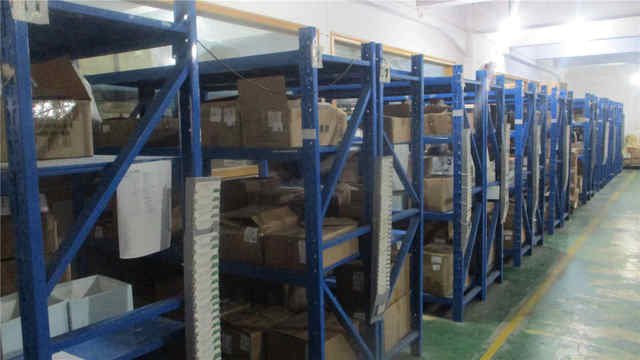
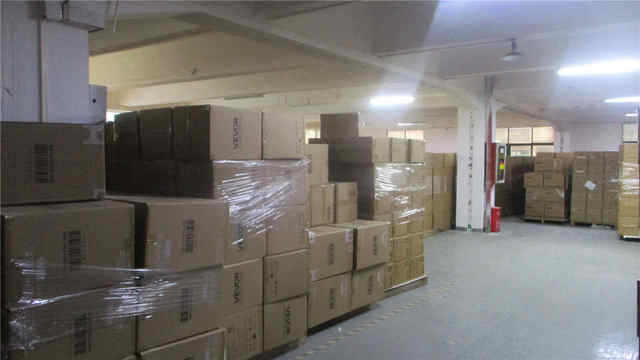
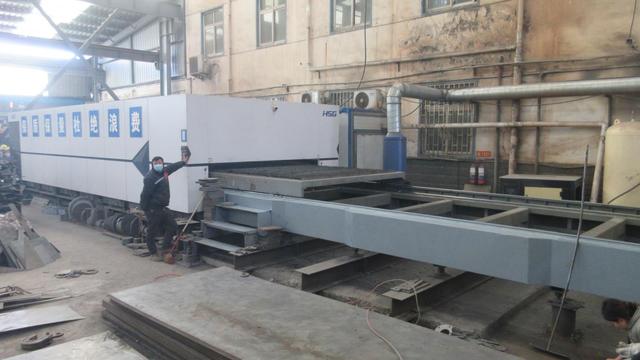
Take a virtual look inside AgBio Energy's production floors. Our fabrication facilities utilize precision cutting, welding, and structural testing to ensure each system is built to last.
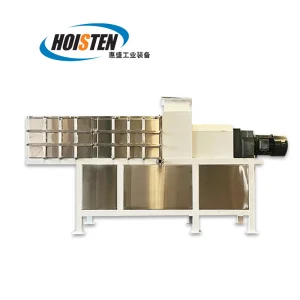
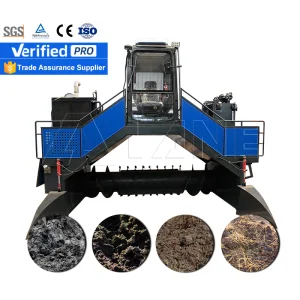
Explore our high-capacity machinery designed for large-scale agricultural projects, municipal facilities, and commercial recycling centers.
 AgBio Energy