Engineered for high-efficiency organic waste processing, resource recovery, and zero-discharge operations.
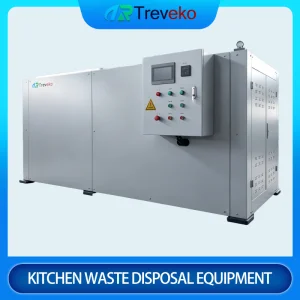
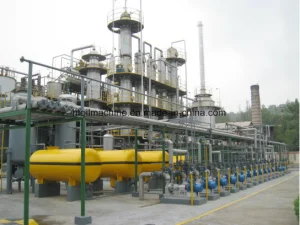
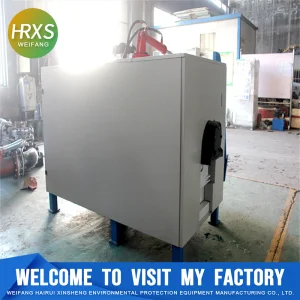
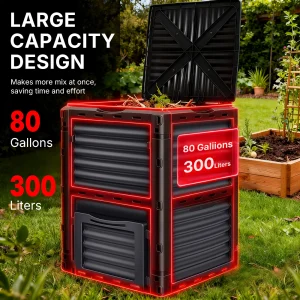
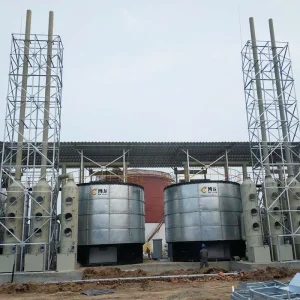
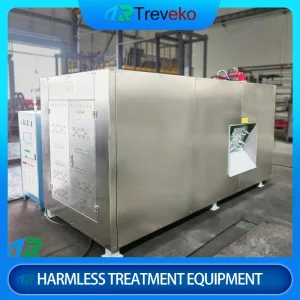
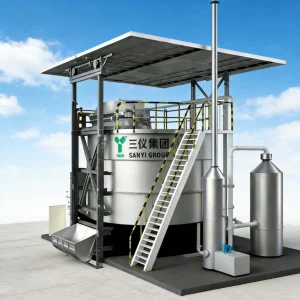
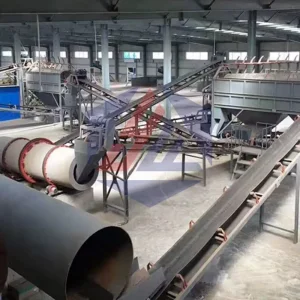
As the global community intensifies its focus on ESG (Environmental, Social, and Governance) compliance and circular economy models, the management of organic waste has transitioned from a municipal burden to a high-value resource recovery sector. Traditional windrow composting, which requires vast land areas and months of slow decomposition, is increasingly being replaced by Rapid Composting Systems. These modern, engineered solutions utilize controlled aerobic fermentation to convert organic waste into nutrient-rich organic fertilizer in a fraction of the time—often within 24 hours to a few days.
Globally, the commercial and industrial demand for rapid composting is driven by strict landfill diversion mandates, rising carbon tax penalties, and the economic value of organic soil conditioners. In Europe and North America, strict regulations on methane emissions from landfills have forced agricultural cooperatives, food processing plants, and municipalities to invest in localized, in-vessel composting (IVC) systems. Meanwhile, in rapidly urbanizing regions across Asia and Latin America, decentralized waste treatment systems are becoming the standard to reduce logistics costs and municipal carbon footprints.
Industrial-scale rapid composting systems operate by optimizing the biological environment for thermophilic bacteria. By precisely controlling parameters such as temperature, moisture, aeration, and carbon-to-nitrogen (C:N) ratios, these systems accelerate the decomposition process while eliminating pathogens, weed seeds, and volatile organic compounds (VOCs) that cause foul odors.
"The transition from passive waste disposal to active bio-resource recovery is the cornerstone of modern industrial sustainability. Rapid composting systems represent the technological bridge that allows commercial enterprises to achieve true zero-waste operations while generating valuable agricultural inputs."
— Global Waste-to-Energy Initiative Report
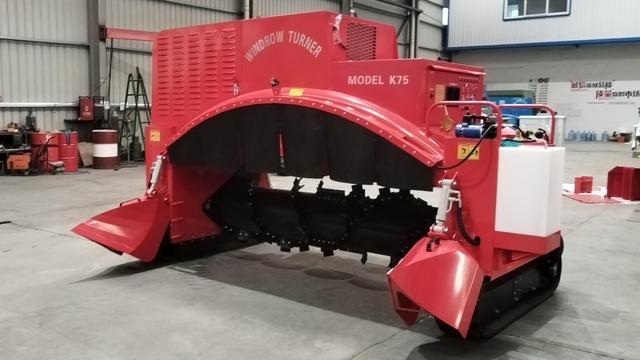
Chengdu AgBio Energy Co., Ltd. is a professional manufacturer specializing in organic waste composting equipment, food waste recycling systems, and sustainable waste treatment solutions. Established in 2013 and headquartered in Chengdu, Sichuan Province, China, the company is dedicated to helping businesses, agricultural operations, municipalities, and environmental service providers transform organic waste into valuable resources.
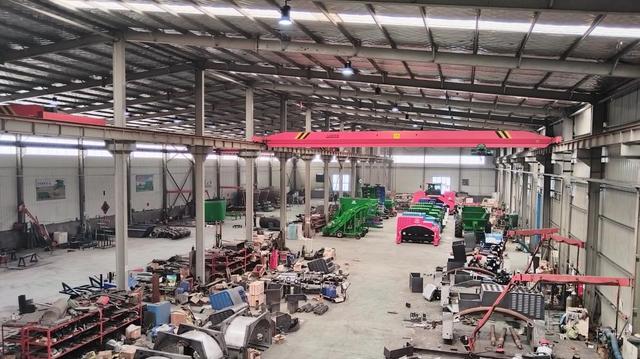
With a modern manufacturing facility covering more than 16,000 square meters and a dedicated team of over 230 employees, AgBio Energy delivers efficient and environmentally responsible waste management technologies to customers around the world. The company integrates engineering expertise, process optimization, and advanced manufacturing technologies to develop reliable composting and organic waste recycling systems.
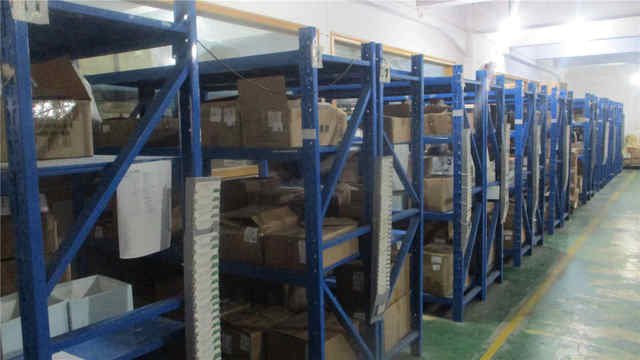
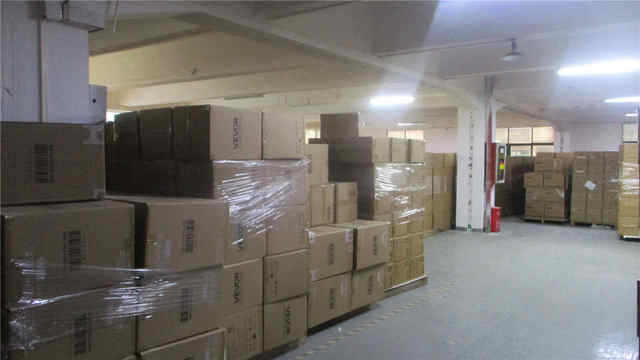
AgBio Energy operates modern production workshops, assembly lines, and testing facilities to ensure product quality, operational efficiency, and long-term reliability. Strict quality management procedures are implemented throughout product development, manufacturing, installation, and customer support processes.
The company's product portfolio includes organic waste composting machines, food waste treatment systems, aerobic fermentation equipment, agricultural waste recycling solutions, manure composting systems, organic fertilizer production lines, municipal bio-waste treatment equipment, and intelligent composting management systems. These solutions are widely used in farms, food processing facilities, restaurants, hotels, commercial waste treatment centers, agricultural cooperatives, and municipal environmental projects.
In addition to standard equipment, AgBio Energy offers comprehensive OEM and ODM services, providing customized waste treatment solutions tailored to specific project requirements, processing capacities, and operational environments. The company works closely with environmental organizations, agricultural enterprises, waste management operators, and project contractors worldwide to support global efforts toward circular economy development, landfill reduction, and environmentally responsible organic waste management.
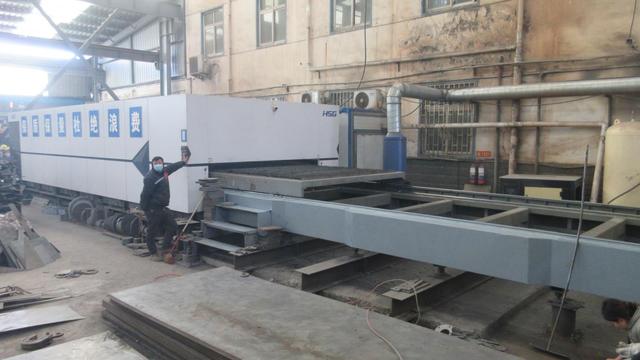
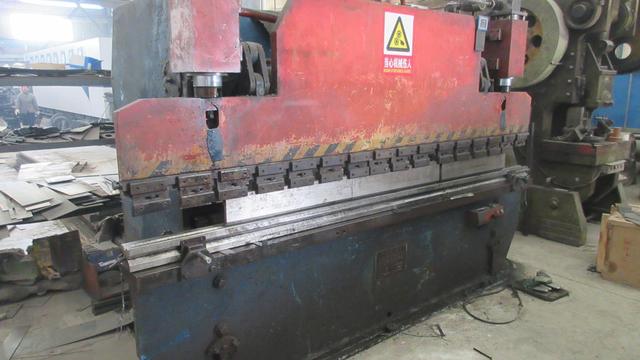
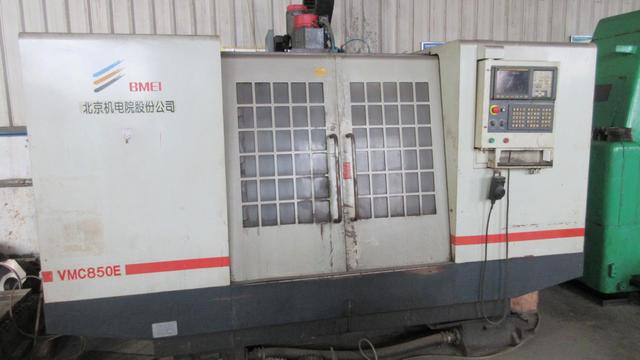
China has established itself as the global epicenter for environmental engineering and machinery manufacturing. China-based factories, led by industry pioneers like Chengdu AgBio Energy, offer distinct advantages that combine technological sophistication with unparalleled cost-efficiency.
From high-grade stainless steel fabrication to advanced PLC control systems and biological inoculants, China's industrial ecosystem provides all raw materials and components locally, minimizing production lead times and reducing costs.
Chinese manufacturers excel at rapid prototyping and custom engineering (OEM/ODM). Whether you require specific dimensions for tight urban spaces or specialized anti-corrosion coatings for high-salinity marine waste, systems are tailored precisely.
Leading exporters ensure all machinery meets international electrical and safety standards, including CE, ISO 9001, and UL guidelines. This guarantees seamless customs clearance and safe, reliable operation in any destination country.
Different industries face unique organic waste challenges. Here is how rapid composting systems are deployed across key sectors.
Hotels, resorts, and large corporate campuses generate massive volumes of food waste daily. Localized, compact composting units (such as the MC-SCJ-30 Kitchen Composter or household-scale batch processors) allow these facilities to treat waste at the source. This eliminates the need for daily waste hauling, reduces odor and pest issues, and produces high-quality compost that can be used directly for onsite landscaping, enhancing the property's green credentials.
Farms and poultry operations must manage animal manure, crop residues, and livestock mortalities safely to prevent groundwater contamination and disease spread. Large-scale Rotary Drum Composting Vessels and AI-Controlled Compost Tanks provide biosecure, thermophilic environments that rapidly convert manure and animal mortalities into pathogen-free organic fertilizers, returning vital nutrients to the soil.
Municipalities are increasingly adopting decentralized waste treatment hubs to process organic fractions of municipal solid waste (MSW). By setting up regional composting stations equipped with high-capacity Rapid Composting Turners and Zero-Discharge Recycling Equipment, cities can dramatically reduce landfill volumes, cut down on transportation-related greenhouse gas emissions, and supply local agricultural sectors with organic soil amendments.
Food processing plants, slaughterhouses, and biohazard waste facilities require robust, continuous-feed systems capable of handling highly volatile organic materials. Heavy-duty, automated composting systems with integrated fine crushers ensure complete sterilization of biohazards while converting high-moisture waste streams into stable, dry organic fertilizer, ensuring strict compliance with environmental protection standards.
The core mechanism of rapid composting lies in the acceleration of natural biological decomposition. In a standard environment, aerobic bacteria break down organic matter slowly. AgBio Energy's rapid composting systems optimize this process through a combination of mechanical agitation, forced aeration, and thermal insulation:
As the industry moves forward, several key technological trends are emerging:
1. AI and IoT Integration: Modern composting systems are no longer passive tanks. They are equipped with smart sensors that monitor moisture, temperature, and oxygen levels in real-time. Cloud-based AI algorithms analyze this data to automatically adjust aeration rates and mixing cycles, maximizing energy efficiency and throughput.
2. Decentralized Micro-Grids: Rather than hauling waste to massive, centralized facilities miles away, businesses and cities are deploying networks of smaller, localized composting units. This "micro-grid" approach to waste management slashes logistics costs and carbon emissions.
3. Carbon Credit Integration: With the expansion of global carbon markets, verified organic waste diversion projects can generate carbon credits. Modern, automated composting systems provide the precise data logging and verification required to prove greenhouse gas mitigation, creating an additional revenue stream for operators.
Explore our full range of commercial, industrial, and household organic waste recycling systems.
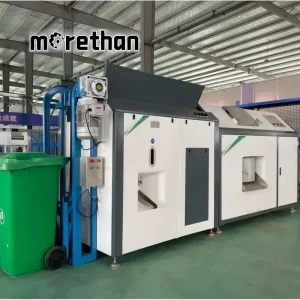
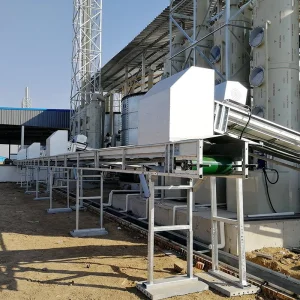
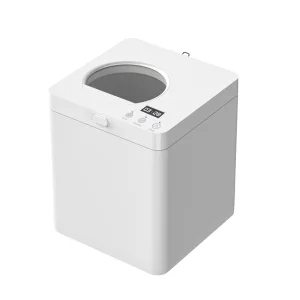
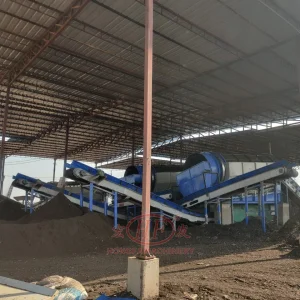
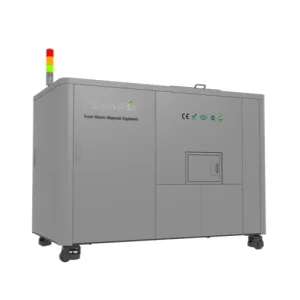
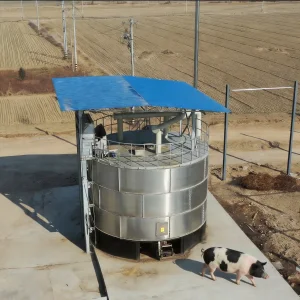
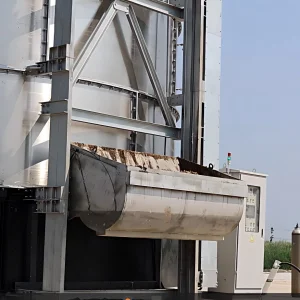
For procurement officers, environmental engineers, and municipal project managers, sourcing the right rapid composting system involves evaluating several critical operational and technical parameters. To ensure long-term ROI and operational reliability, buyers should focus on the following aspects during the sourcing process:
Organic waste, especially food waste, is highly acidic and corrosive. Ensure the system's contact parts are made of high-grade stainless steel (such as SUS304 or SUS316) and treated with specialized anti-corrosion coatings to withstand harsh chemical environments.
Aerobic composting requires continuous heating and aeration. Look for systems featuring high-efficiency thermal insulation, heat recovery units, and smart variable-frequency drives (VFDs) that optimize power consumption based on the waste load.
Industrial equipment requires regular maintenance. Partner with manufacturers like AgBio Energy that offer comprehensive technical support, remote diagnostics, readily available spare parts, and detailed installation guidelines.
Get answers to the most common questions about rapid composting systems, technology, and procurement.
A rapid composting system is an enclosed, engineered system (often in-vessel) that accelerates the natural decomposition of organic waste using controlled aerobic fermentation. Unlike traditional windrow composting, which takes 3 to 6 months and requires large land areas, rapid composting systems optimize temperature, moisture, and oxygen levels to complete the primary stabilization process in 24 hours to a few days, with zero odor and minimal space requirements.
Our rapid composting systems are fully sealed to prevent fugitive emissions. They are equipped with negative pressure ventilation systems that draw process air through integrated bio-filters, activated carbon scrubbers, or UV deodorization units. This ensures that all exhaust air is thoroughly cleaned and free of volatile organic compounds (VOCs) and unpleasant odors before being discharged.
Yes. Systems like the Eco-Friendly Kitchen Waste Recycling Equipment and the Rotary Drum Composting Vessel are specifically designed for high-moisture organic waste. By mixing the wet waste with dry bulking agents (such as sawdust, wood chips, or recycled compost) and utilizing automated heating and aeration, the system maintains the ideal 50-60% moisture content required for efficient thermophilic composting.
We offer extensive customization to meet specific project needs. This includes adjusting processing capacities (from small 2.5L household units to large-scale 100-ton industrial plants), customizing the physical footprint to fit tight spaces, integrating specific PLC control systems (such as Siemens or Allen-Bradley), and modifying materials (e.g., upgrading to marine-grade stainless steel for coastal installations).
All equipment manufactured by Chengdu AgBio Energy complies with major international standards. Our manufacturing processes are certified under ISO 9001 (Quality Management), ISO 14001 (Environmental Management), and ISO 45001 (Occupational Health and Safety). The machinery exported to Europe and North America carries CE certification and complies with relevant electrical and mechanical safety regulations.
With proper maintenance, our industrial-grade composting systems have an operational lifespan of 10 to 15 years. Routine maintenance includes checking and lubricating mechanical drive components, inspecting seals, cleaning air intake/exhaust filters, and monitoring the wear of mixing blades. We provide detailed maintenance manuals and video guides with every shipment, along with remote technical support.
 AgBio Energy