In the current geopolitical and environmental climate, Waste Reduction Strategies have transitioned from corporate social responsibility (CSR) initiatives to core operational requirements for global factories. As the world moves toward a Circular Economy, the focus on organic waste—the most significant component of municipal and industrial landfill volumes—has intensified. According to the World Bank, global waste generation is expected to increase by 70% by 2050 unless urgent action is taken.
China, as the world's manufacturing hub, has emerged as a leader in developing high-throughput, cost-effective technologies to mitigate this crisis. Chengdu AgBio Energy Co., Ltd. stands at the forefront of this industrial revolution, bridging the gap between massive organic waste generation and valuable resource recovery. By implementing advanced aerobic fermentation and smart composting systems, factories can now achieve zero-waste-to-landfill targets while generating high-quality organic fertilizer, thereby creating a closed-loop ecosystem.
By 2030, global waste management costs are projected to exceed $500 billion. For factories, the financial burden of waste disposal (tipping fees, logistics, carbon taxes) is eating into profit margins. Information Gain: The shift is moving from "End-of-Pipe" treatment to "Integrated Resource Recovery."
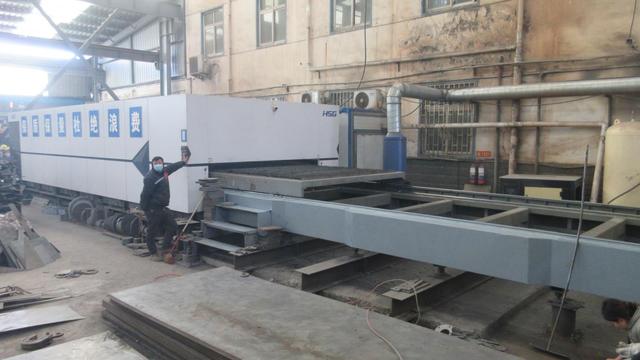
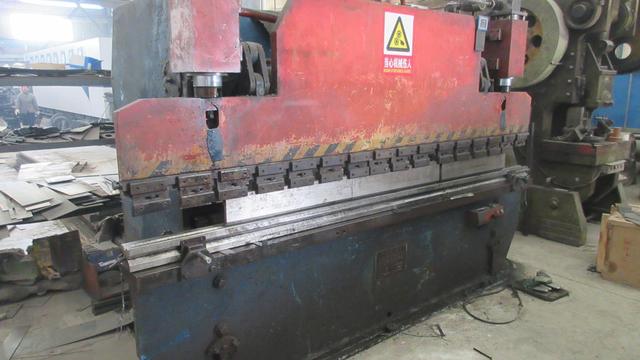
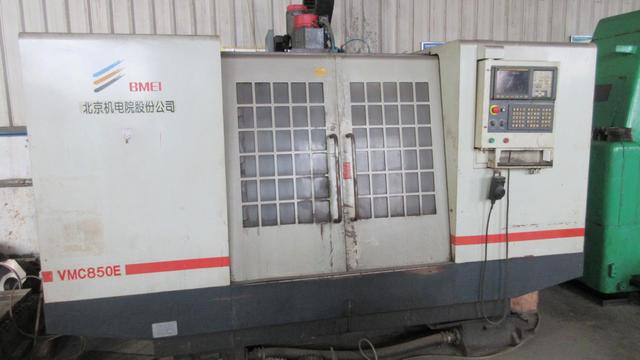
Chinese factories like AgBio Energy leverage a complete supply chain, from advanced metallurgy for tank durability to AI-based control modules. This results in 30-40% lower CAPEX compared to Western counterparts while maintaining rigorous CE and ISO standards.
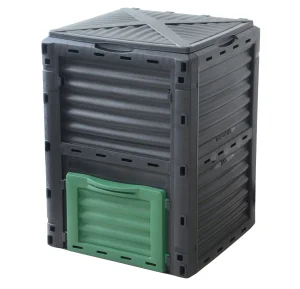
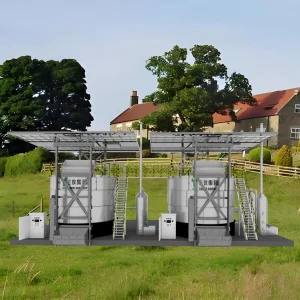
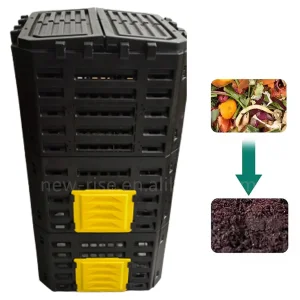
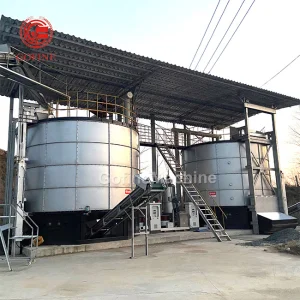
Modern strategies involve In-Vessel Composting (IVC). Unlike traditional windrows, IVC systems maximize surface area and control oxygen/moisture levels via IoT sensors, reducing processing time from 6 months to 10 days.
To achieve high-efficiency waste management, factories must adopt a multi-layered approach that considers the biological, chemical, and physical properties of their waste streams.
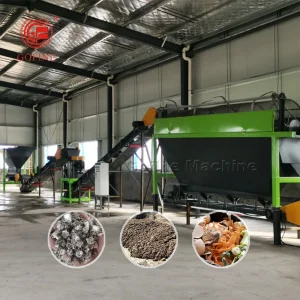
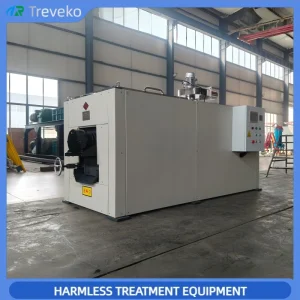
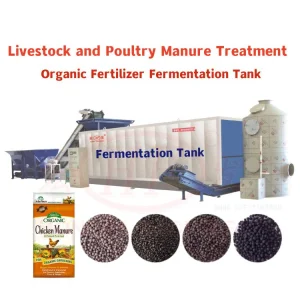
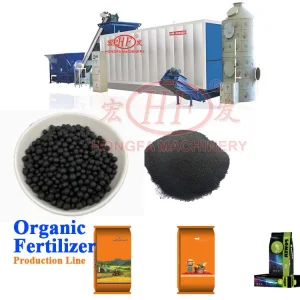
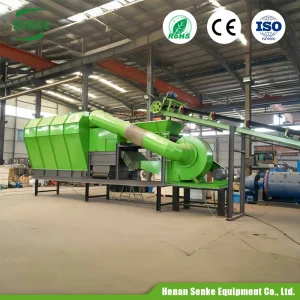
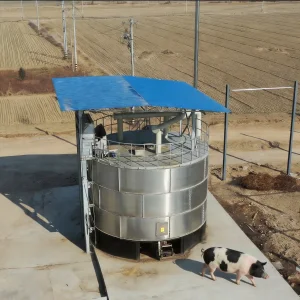
This strategy utilizes thermophilic microorganisms to decompose organic matter. By maintaining internal temperatures between 55°C and 75°C, pathogens and weed seeds are neutralized. AgBio Energy's "Industrial High-Temperature Fermentation Composting Machine" automates this process, ensuring that livestock waste becomes a sterilized, nutrient-rich soil conditioner within hours or days.
Effective reduction begins with purity. Integrating AI optical sorters at the factory line allows for the separation of organic fractions from contaminants (plastics/metals) with 99% accuracy. This "Front-End" strategy ensures the subsequent composting process is unhindered by non-biodegradables.
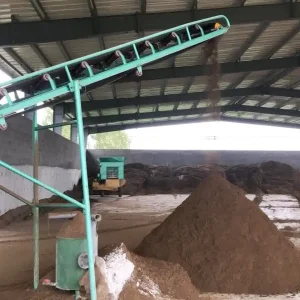
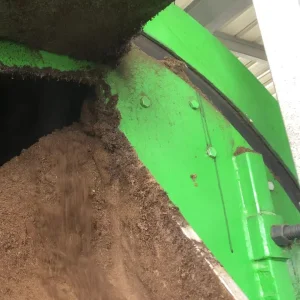
In the agricultural sector, the reuse of manure as bedding (The "Green Bedding" Strategy) is a game-changer. Our Cold-Resistant Cow Stall Bedding Processor uses 10cm insulation technology to operate in harsh climates (Siberia, North America), turning raw manure into dry, hygienic bedding material, reducing external purchase costs by 60%.
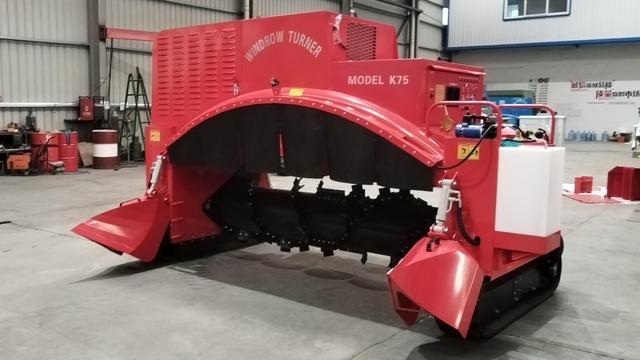
Chengdu AgBio Energy Co., Ltd. is a professional manufacturer specializing in organic waste composting equipment, food waste recycling systems, and sustainable waste treatment solutions. Established in 2013 and headquartered in Chengdu, Sichuan Province, China, the company is dedicated to helping businesses, agricultural operations, municipalities, and environmental service providers transform organic waste into valuable resources.
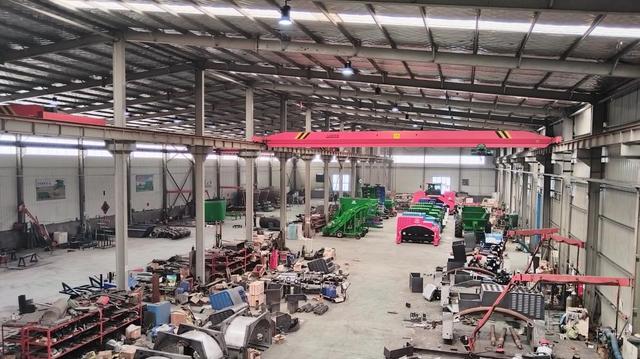
Scale & Expertise: With a modern manufacturing facility covering more than 16,000 square meters and a team of over 230 employees, AgBio Energy delivers efficient and environmentally responsible waste management technologies worldwide.
Product Portfolio: Includes aerobic fermentation equipment, agricultural waste recycling solutions, manure composting systems, organic fertilizer production lines, and municipal bio-waste treatment equipment.
Customization (OEM/ODM): We provide customized waste treatment solutions tailored to specific project requirements, processing capacities, and operational environments.
A: Aerobic fermentation (AgBio's core tech) is significantly faster (days vs weeks) and requires less capital investment. It is ideal for solid organic waste where nutrient recovery for soil is the primary goal, rather than biogas production.
A: Typically, factories see an ROI within 18-24 months. This is achieved through the elimination of waste disposal fees and the sale of the finished organic fertilizer (market value approx. $150-$300/ton).
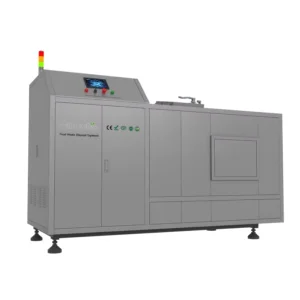
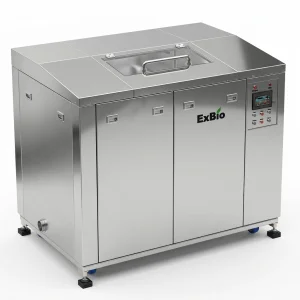
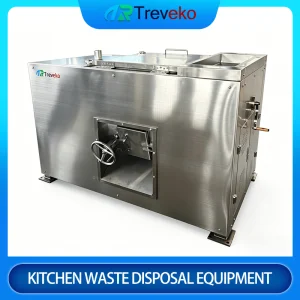
A: Yes. Our systems like the 750kg Commercial Food Waste Machine include automated moisture control and dewatering stages to handle kitchen waste effectively.
A: All AgBio Energy equipment is built to CE standards, with strict adherence to emission controls (scrubbers and bio-filters) to ensure zero odor nuisance for neighboring communities.
 AgBio Energy