Explore our top-tier solid-liquid separation, high-temperature vessel composting, and organic fertilizer production systems designed to close the circular loop.
As the global energy transition accelerates, Anaerobic Digestion (AD) has emerged as a cornerstone technology for generating biomethane and renewable electricity from agricultural residues, energy crops, and industrial food waste. However, the digestion process leaves behind vast quantities of digestate—a nutrient-rich, high-water-content slurry. Unprocessed digestate presents significant handling, transport, and environmental challenges, primarily due to localized nitrate overloading, phosphorus imbalances, and high transport costs.
To address these challenges, advanced Digestate Processing Systems have transitioned from simple agricultural disposal tools to sophisticated industrial chemical-engineering solutions. By dividing digestate into solid and liquid phases and applying thermal, membrane, and biological treatments, modern facilities convert a compliance liability into high-value revenue streams: stabilized soil conditioners, mineral-concentrate fertilizers, and clean, dischargeable water.
At Chengdu AgBio Energy Co., Ltd., we combine state-of-the-art engineering design with practical agricultural knowledge. By deploying automated digestion post-treatment systems, we help operators satisfy strict environmental compliance standards (such as the EU Nitrates Directive and regional EPA runoff restrictions) while improving the net present value (NPV) of biogas investments.
Efficient digestate processing requires a sequence of mechanical, chemical, and thermal separation steps. Below is our industry-proven blueprint.
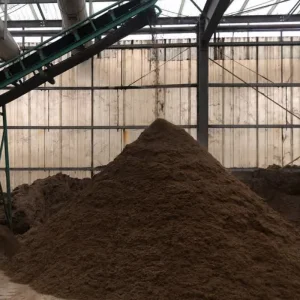
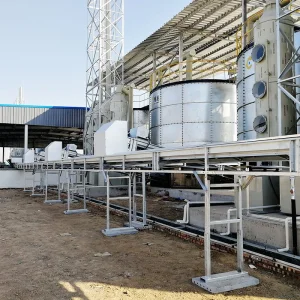
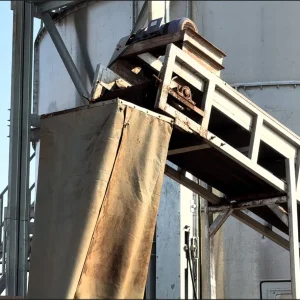
Screw presses and decanter centrifuges separate raw digestate into a solid fraction (20–30% dry matter) and a liquid fraction. This step significantly lowers transport costs and prepares solids for rapid composting.
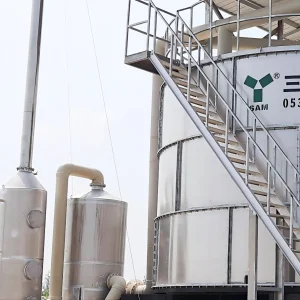
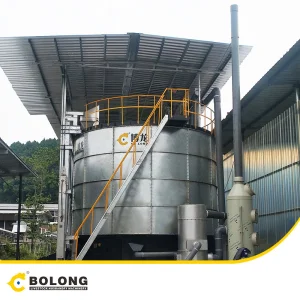
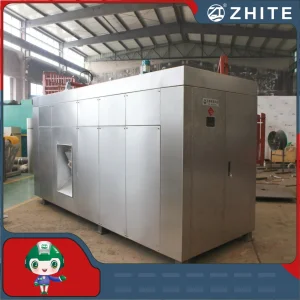
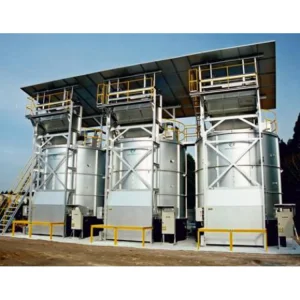
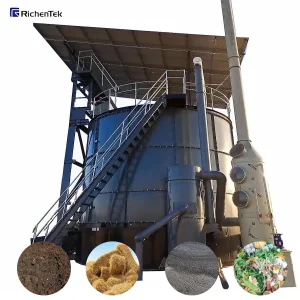
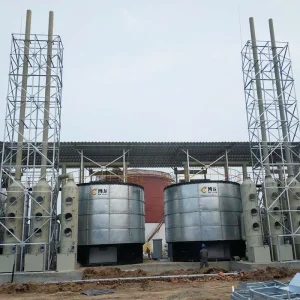
Utilizing high-temperature, vertical-aerated fermentation tanks, the solid fraction undergoes rapid humification. Pathogens, weed seeds, and odors are destroyed, generating Class-A bio-fertilizer.
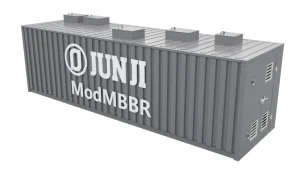
The liquid stream is treated with ultrafiltration (UF), reverse osmosis (RO), or ammonia stripping. This extracts clean water for crop irrigation while isolating concentrated liquid nitrogen and phosphorus.
Note on Nutrient Capture: Nitrogen recovery systems can convert ammonia-laden vapors into ammonium sulfate, a highly stable, liquid nitrogen fertilizer in high demand by industrial farms.
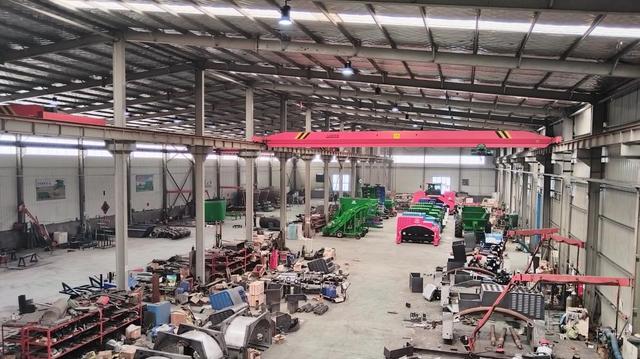
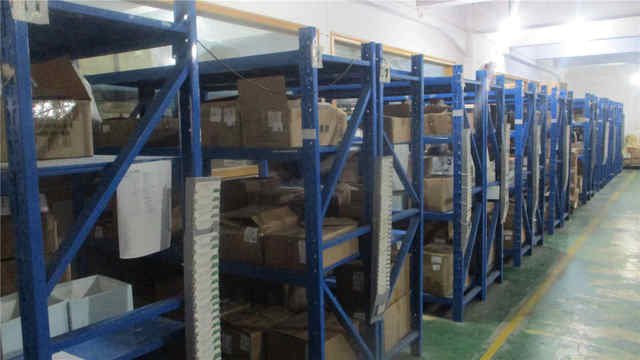
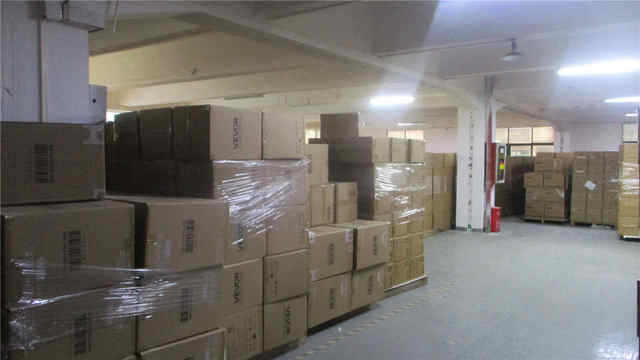
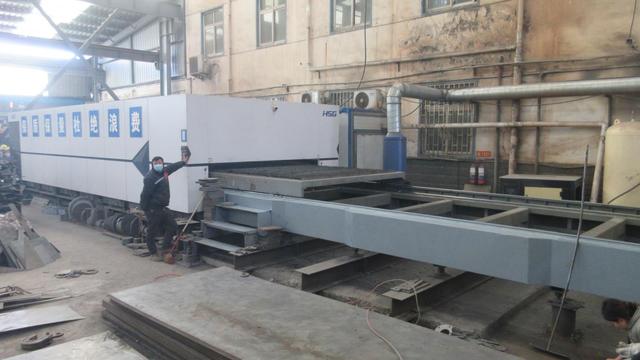
Chengdu AgBio Energy Co., Ltd. is a professional manufacturer specializing in organic waste composting equipment, food waste recycling systems, and sustainable waste treatment solutions. Established in 2013 and headquartered in Chengdu, Sichuan Province, China, the company is dedicated to helping businesses, agricultural operations, municipalities, and environmental service providers transform organic waste into valuable resources. With a modern manufacturing facility covering more than 16,000 square meters and a team of over 230 employees, AgBio Energy delivers efficient and environmentally responsible waste management technologies to customers around the world.
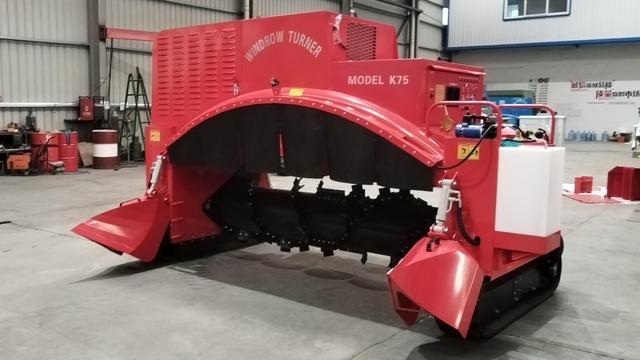
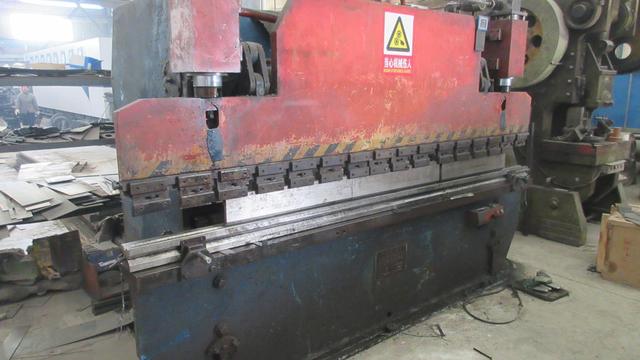
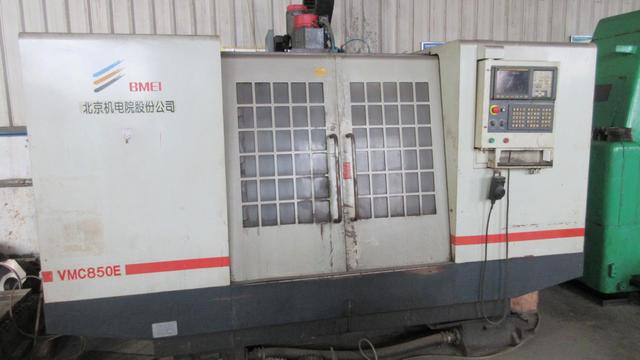
The company's product portfolio includes organic waste composting machines, food waste treatment systems, aerobic fermentation equipment, agricultural waste recycling solutions, manure composting systems, organic fertilizer production lines, municipal bio-waste treatment equipment, and intelligent composting management systems. These solutions are widely used in farms, food processing facilities, restaurants, hotels, commercial waste treatment centers, agricultural cooperatives, and municipal environmental projects.
AgBio Energy integrates engineering expertise, process optimization, and advanced manufacturing technologies to develop reliable composting and organic waste recycling systems. The company operates modern production workshops, assembly lines, and testing facilities to ensure product quality, operational efficiency, and long-term reliability. Strict quality management procedures are implemented throughout product development, manufacturing, installation, and customer support processes.
In addition to standard equipment, AgBio Energy offers OEM and ODM services, providing customized waste treatment solutions tailored to specific project requirements, processing capacities, and operational environments. The company works closely with environmental organizations, agricultural enterprises, waste management operators, and project contractors worldwide.
Committed to innovation, sustainability, and resource recovery, Chengdu AgBio Energy Co., Ltd. continues to support global efforts toward circular economy development, landfill reduction, and environmentally responsible organic waste management through advanced composting and recycling technologies.
Purchasing large-scale environmental equipment like a digestate processing system requires balancing capital expenditure (CAPEX) with long-term operational costs (OPEX). Chengdu AgBio Energy Co., Ltd. leverages the strength of China's heavy industrial and manufacturing clusters to provide competitive advantages that Western competitors struggle to match:
A look at how our processing systems resolve unique environmental challenges across different regions.
| Application Scenario | Primary Challenge | AgBio Processing Route | Primary Recovered Product |
|---|---|---|---|
| Large Livestock Operations (Pigs, Dairy, Poultry) | Nitrogen and phosphorus overloading, high odor emissions, and strict local runoff compliance. | Decanter separation followed by Vertical In-Vessel Composting and thermostatic aeration. | Stabilized bio-organic compost pellets and safe irrigation water. |
| Municipal Biogas Stations (Food Waste Co-digestion) | High plastics and inert impurities, high COD/BOD liquid waste. | Screening, oil-water separation, anaerobic digestion, followed by membrane wastewater filtration. | High-nitrogen concentrated liquid and pathogen-free soil amendments. |
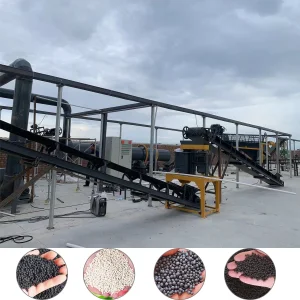
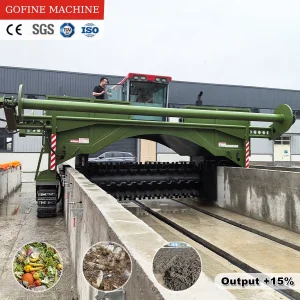
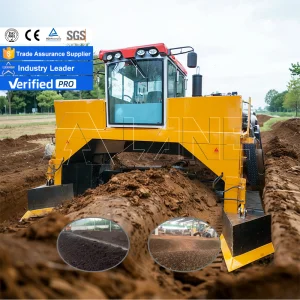
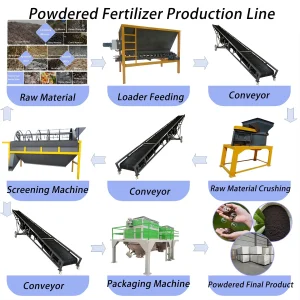
| Commercial Compost & Crop Farms | High purchase costs for mineral fertilizers and soil depletion. | Digestate-to-fertilizer granulation lines, using rapid compost turners and dry granulation. | Tailored commercial NPK organic-mineral fertilizer blends. |
Different markets have distinct regulatory requirements. In Europe, systems must meet the strict standards of the Nitrates Directive, which restricts raw slurry application. In North America, operations must comply with USDA organic fertilizer criteria and local EPA limits. AgBio Energy designs custom systems that satisfy these requirements, helping clients secure local permits and project funding.
Answers to common engineering and operational questions regarding digestate treatment.
Explore our heavy-duty industrial shredders, biological biodegradation systems, and continuous-flow fermentation tanks.
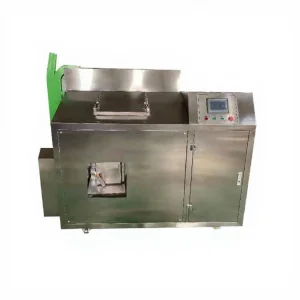
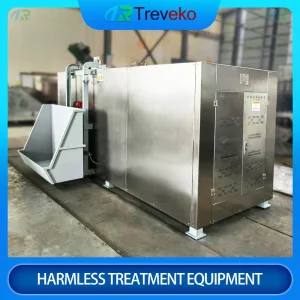
 AgBio Energy