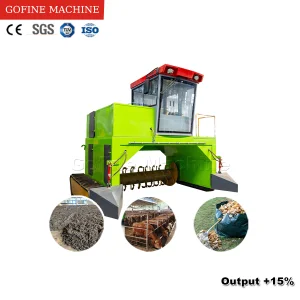
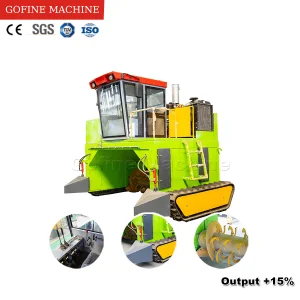
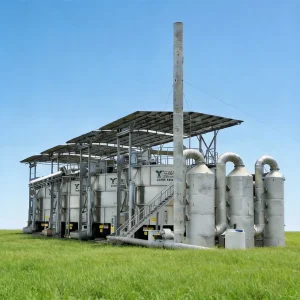
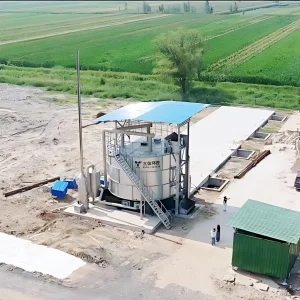
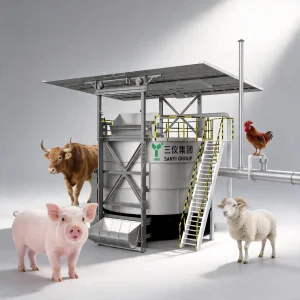
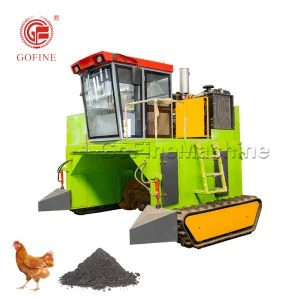
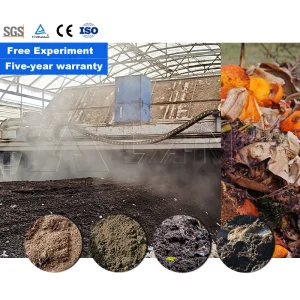
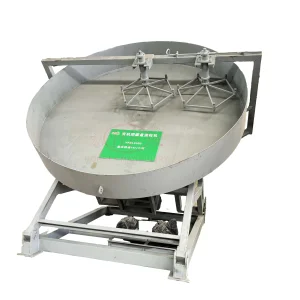
Direct from our state-of-the-art Chinese manufacturing plant, these four configurations represent our most sought-after machinery engineered to handle agricultural mass and livestock manure efficiently under tropical climate conditions.
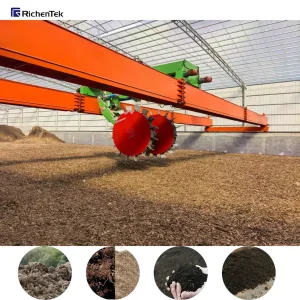
Located in the Upper Nile region of South Sudan, Malakal is positioned along the fertile banks of the White Nile. Historically a major commercial hub, the city’s economy relies heavily on agricultural cultivation and livestock rearing. Large-scale cultivation of staple crops such as sorghum, maize, millet, and sesame, alongside the processing of gum arabic, generates massive amounts of organic residual biomass annually. Historically, this biomass has either been discarded into local waterways or subjected to open-field burning, contributing to environmental degradation, soil nutrient depletion, and localized air pollution.
As the region undergoes post-conflict reconstruction and urban rehabilitation, municipal solid waste management and agricultural resilience have become national priorities. The introduction of modern industrial organic waste composting machines in Malakal is a strategic mechanism for environmental reclamation. By converting local organic waste—including agricultural crop residues, food market waste, and livestock manure—into high-quality organic fertilizers, local stakeholders can rebuild soil structures damaged by seasonal flooding and intensive farming. Developing local composting systems decreases dependence on expensive imported chemical inputs, supporting food security and establishing a localized agricultural circular economy.
On a global scale, the agricultural waste composting sector is shifting from low-tech windrow pile-turning toward fully automated, high-efficiency, and biologically optimized systems. The primary driver of this shift is the global mandate for carbon neutrality, combined with strict regulations governing methane emissions from landfills. According to industry analyses, the market for organic waste composting machinery is growing rapidly, driven by the demand for soil restoration products, large-scale livestock waste treatments, and the industrial production of organic fertilizers.
Key global advancements in this field include:
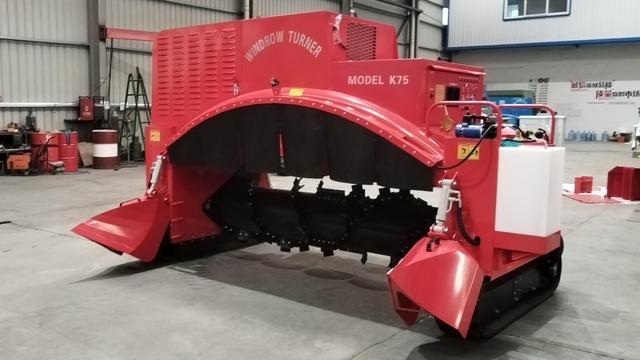
Chengdu AgBio Energy Co., Ltd. (established in 2013) is a premier manufacturer specializing in organic waste composting equipment and bio-waste treatment systems. Operating from a modern 16,000-square-meter facility with over 230 engineers and technicians, we utilize state-of-the-art Chinese manufacturing efficiencies. This allows us to supply heavy-duty, highly engineered composting machinery that matches European performance standards at a competitive cost structure.
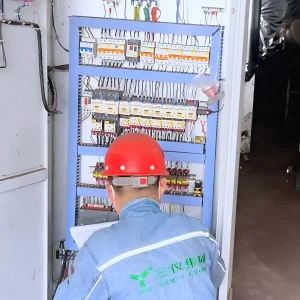
We source heavy-gauge structural steel (Q235B and Q345B) and process it using CNC laser cutting, submerged arc welding, and computerized dynamic balance testing for all high-speed rotational drums. This ensures structural integrity, thermal stability, and wear resistance in challenging operating environments like the Upper Nile. Furthermore, our robust domestic supply chain in China allows us to integrate reliable hydraulic pumps, high-efficiency motors, and international-standard electrical control components, ensuring our equipment remains reliable and easy to maintain.
To ensure high ROI and processing efficiency, composting equipment serving Malakal must be matched to the region's specific agricultural and geographic profiles.
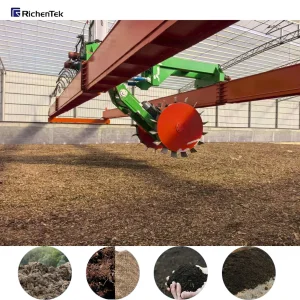
Sorghum and maize cultivation generates high-cellulose residues that decompose slowly. Our crawler-type windrow turners feature durable flail manifolds that shred tough stalks while turning the compost. This increases the surface area for thermophilic microbial colonization, accelerating decomposition.
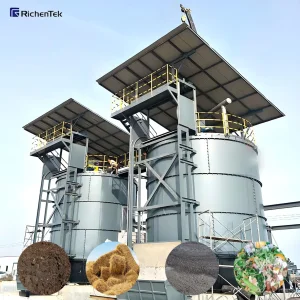
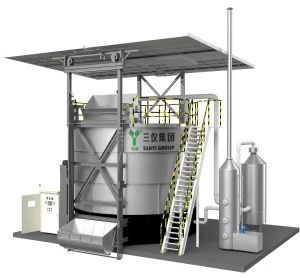
The Nile and its backwaters around Malakal are prone to water hyacinth infestations. Harvesting and composting these weeds provides a high-nitrogen organic feed. By blending these wet aquatic weeds with dry agricultural residues and running them through our aerobic fermentation tanks, operators can produce rich organic compost.
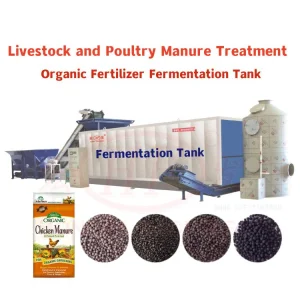
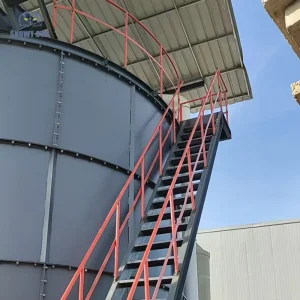
With massive cattle herds in the Upper Nile, managing feedlot and slaughterhouse waste is a key priority. Our enclosed aerobic vertical fermentation tanks keep the composting process contained, controlling odors, preventing runoff, and generating temperatures above 55°C to eliminate pathogens.
Our facility integrates engineering expertise, process optimization, and advanced manufacturing technologies. From raw steel cutting to assembly and testing, every stage of production is monitored to guarantee long-term field reliability.
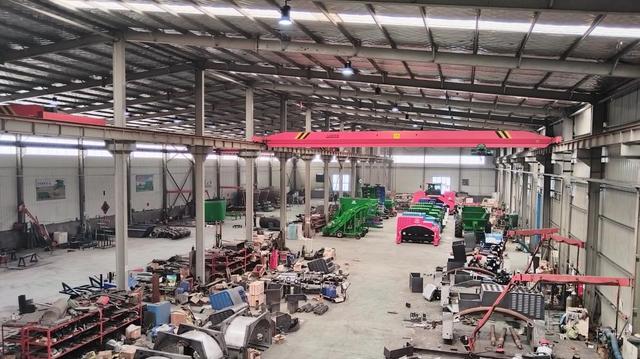
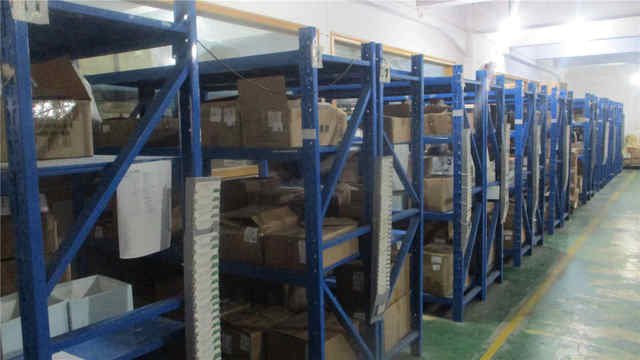
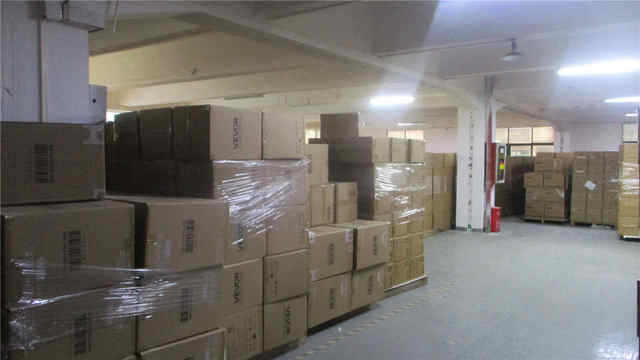
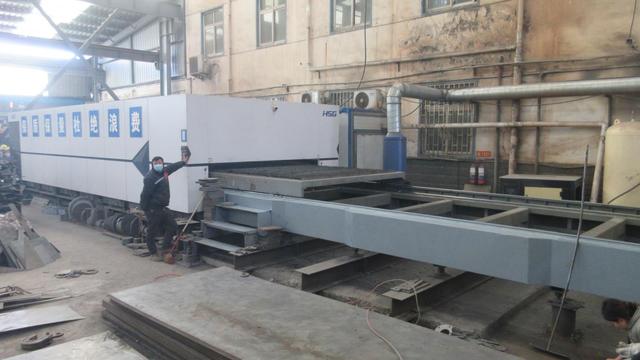
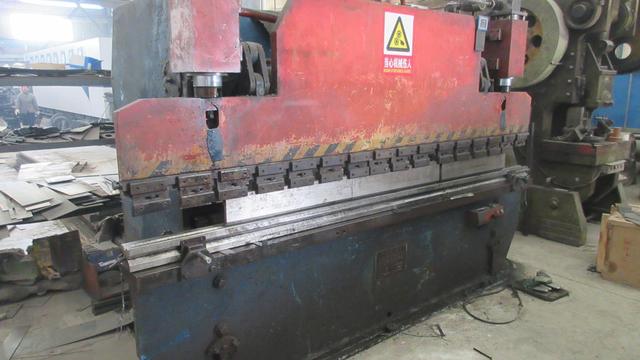
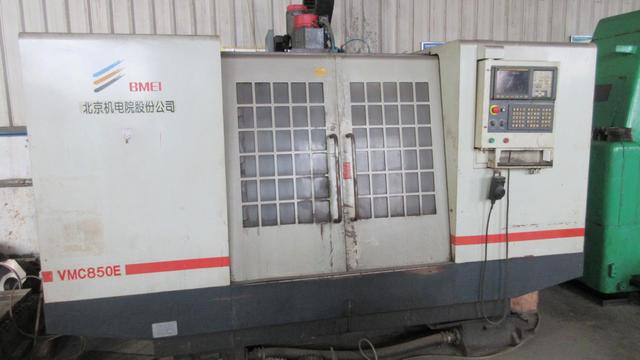
AgBio Energy offers customized OEM and ODM services, tailoring processing capacities, structural configurations, and automation levels to match specific project requirements. We work closely with environmental organizations, agricultural cooperatives, waste operators, and regional development contractors worldwide.
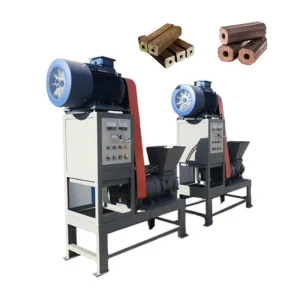
Explore our complete range of composting machinery, raw material conditioners, crawler turners, and organic fertilizer production systems designed to meet diverse farm and industrial processing requirements.
Get in touch with our engineering team today for technical details, customized layouts, shipping quotes, and customized pricing to meet your project specifications.
 AgBio Energy