Engineered for organic matter conversion, optimized for the agricultural and municipal waste profiles of Damascus and surrounding regions.
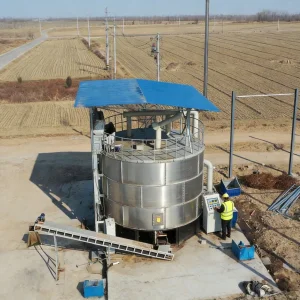
Building resilient agricultural soils in the semi-arid Levant through advanced thermophilic aerobic digestion.
The Damascus Governorate and its historical Ghouta agricultural basin are undergoing critical soil restoration phases. Decades of intensive agriculture coupled with water scarcity have depleted the Soil Organic Matter (SOM) levels to below 1.5% in most agricultural zones. The application of raw, untreated animal manure or unsorted municipal waste onto agricultural lands poses severe ecological hazards: heavy microbial pathogens (*Salmonella*, *E. coli*), high salinity, weed seed dispersal, and high phytotoxicity due to immature organic acids.
Consequently, the Damascus market requires standard-compliant, fully automated industrial composting machines. These closed-loop systems facilitate rapid bio-stabilization, transforming municipal solid waste (MSW) organic fractions, poultry manure, and food processing residuals into refined bio-fertilizer. By utilizing automated composting reactors, agricultural enterprises in Syria can significantly improve soil water retention, restore beneficial soil microbes, and lower chemical fertilizer dependencies.
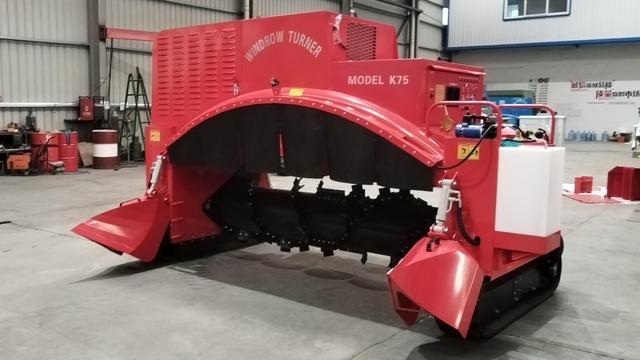
A look at the thermodynamic, biological, and mechanical design mechanisms integrated within our organic waste processing systems.
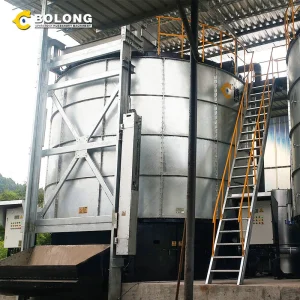
Fully automated forced-aeration systems equipped with Siemens PLC interfaces. Built-in temperature probes and oxygen sensors track the biological activity, adjusting air flow rates to prevent anaerobic fermentation and reduce total processing times down to 10-15 days.
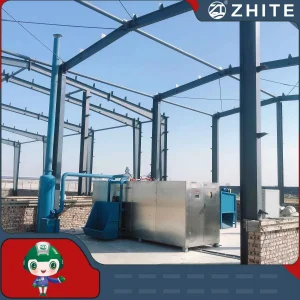
Using localized acid-scrubbing steps paired with active organic bio-matrix filters, our machines capture and neutralize ammonia (NH3), hydrogen sulfide (H2S), and secondary volatile organic compounds (VOCs). This makes them clean options for areas close to urban boundaries in Damascus.
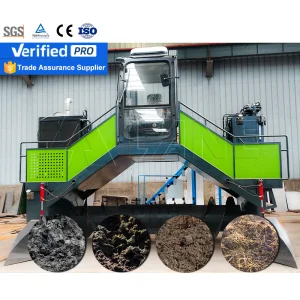
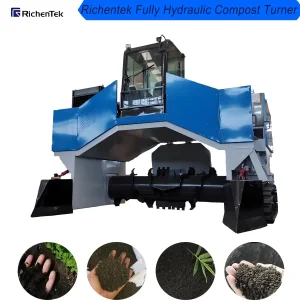
Heavy-duty, custom-cast crawler and lane turners utilize high-strength HARDOX carbon-alloy steel blades. Capable of slicing through high-density residues, municipal dewatered sludge, and agricultural crop waste without structural fatigue.
Odor Abatement Efficiency
Days to Raw Bio-stabilization
Dedicated Engineering Experts
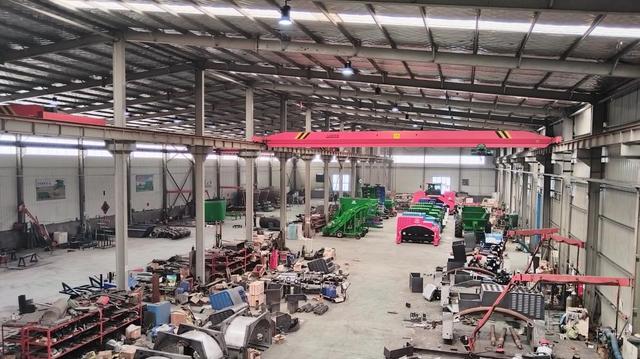
Advanced Industry 4.0 Factory
Chengdu AgBio Energy Co., Ltd. delivers robust environmental engineering systems with global compliance.
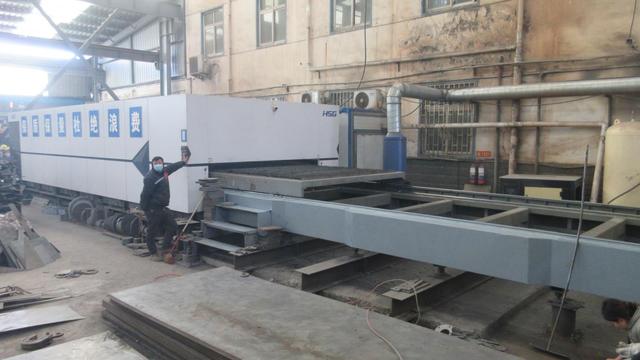
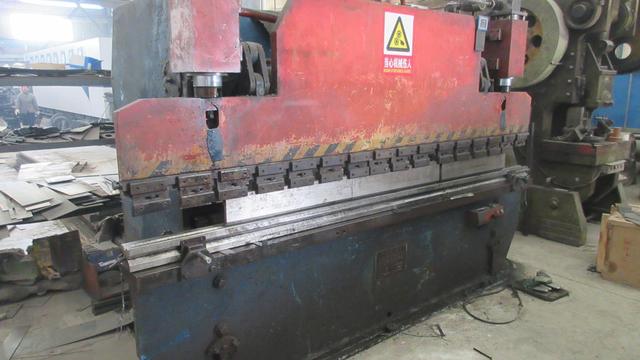
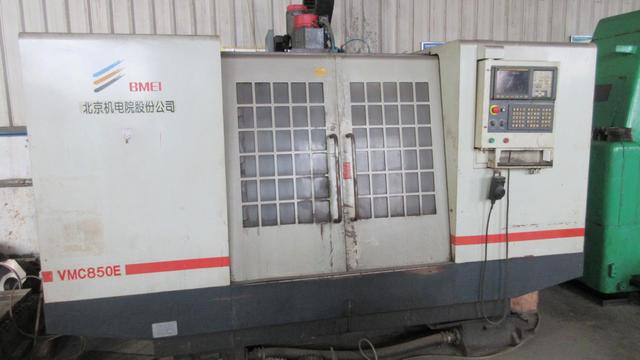
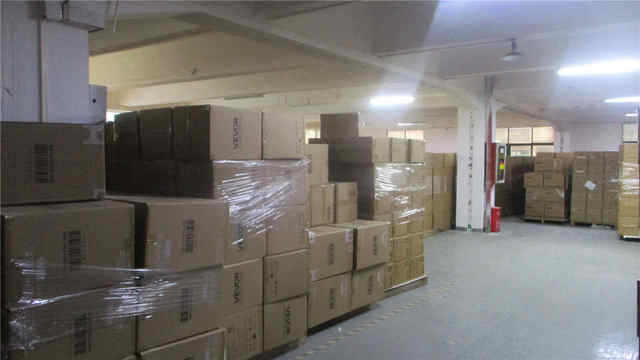
Chengdu AgBio Energy Co., Ltd. is a professional manufacturer specializing in organic waste composting equipment, food waste recycling systems, and sustainable waste treatment solutions. Established in 2013 and headquartered in Chengdu, Sichuan Province, China, the company is dedicated to helping businesses, agricultural operations, municipalities, and environmental service providers transform organic waste into valuable resources. With a modern manufacturing facility covering more than 16,000 square meters and a team of over 230 employees, AgBio Energy delivers efficient and environmentally responsible waste management technologies to customers around the world.
The company's product portfolio includes organic waste composting machines, food waste treatment systems, aerobic fermentation equipment, agricultural waste recycling solutions, manure composting systems, organic fertilizer production lines, municipal bio-waste treatment equipment, and intelligent composting management systems. These solutions are widely used in farms, food processing facilities, restaurants, hotels, commercial waste treatment centers, agricultural cooperatives, and municipal environmental projects.
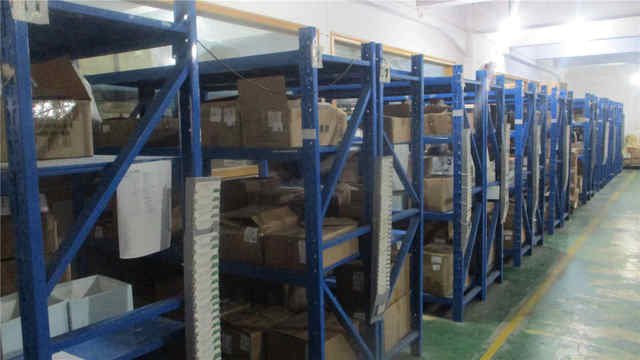
AgBio Energy integrates engineering expertise, process optimization, and advanced manufacturing technologies to develop reliable composting and organic waste recycling systems. The company operates modern production workshops, assembly lines, and testing facilities to ensure product quality, operational efficiency, and long-term reliability. Strict quality management procedures are implemented throughout product development, manufacturing, installation, and customer support processes.
In addition to standard equipment, AgBio Energy offers OEM and ODM services, providing customized waste treatment solutions tailored to specific project requirements, processing capacities, and operational environments. The company works closely with environmental organizations, agricultural enterprises, waste management operators, and project contractors worldwide. Committed to innovation, sustainability, and resource recovery, Chengdu AgBio Energy Co., Ltd. continues to support global efforts toward circular economy development, landfill reduction, and environmentally responsible organic waste management through advanced composting and recycling technologies.
Configured systems designed for various processing capacities, input feeds, and localized operational conditions in Damascus.
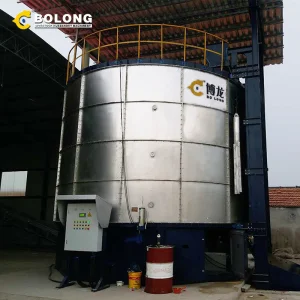
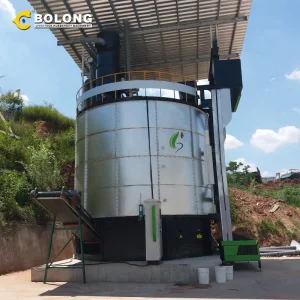
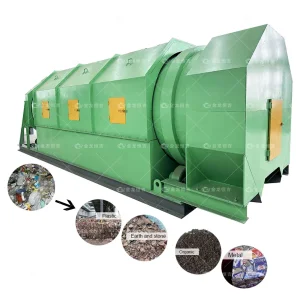
Integrated mechanical-biological treatment (MBT) layouts designed for Damascus municipal recovery programs. Incorporates magnetic separators, air classifiers, and drum screens alongside our high-output in-vessel aerobic digesters.
Designed for medium-to-large livestock operations surrounding Damascus. Easily processes slurry and wet manure (70-80% moisture) utilizing organic bulking agents (such as wheat straw and olive pomace) to produce rich, pathogen-free compost.
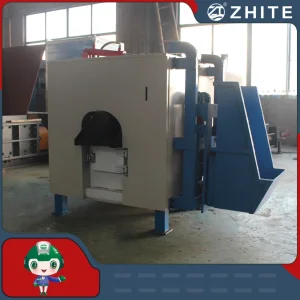
Sized systems suitable for hospitals, universities, hotels, and central food processing hubs in Damascus. Features localized shredding, automatic de-watering, and rapid 24-hour thermophilic digestion to reduce raw food waste volumes by up to 90%.
Heavy-duty, automated bio-machinery and auxiliary sorting units designed for international exports and long-term farm operations.
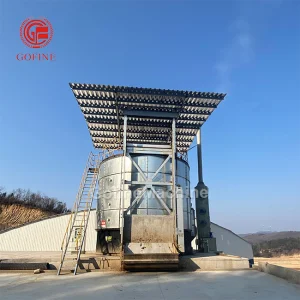
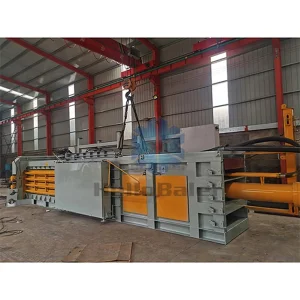
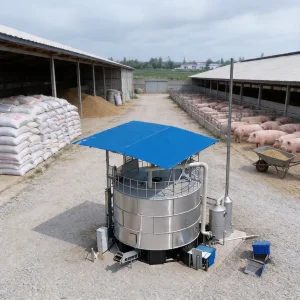
Operational adaptation strategies for Levant environmental requirements, microclimates, and localized power grids.
Operating industrial motors and bio-reactors in Damascus requires adaptation to specific electrical conditions. Our machinery supports multi-voltage inputs (380V-415V, 50Hz) and comes with dual-inverter protection modules to handle grid fluctuations safely. Additionally, heavy-duty dust protection (IP55/IP66 enclosure ratings) shields electrical units and hydraulic motors from dry Levant winds and sand exposure.
For regional agricultural standards, compost output must comply with strict physical-chemical limits. Our equipment sustains temperature cycles that target and eliminate pathogenic weed seeds, *Fusarium* spores, and biological contaminants. This process results in high-quality compost that satisfies global organic standards and regional soils requirements, supporting long-term water conservation initiatives.
Comprehensive engineering and logistical guidance for procurement managers and site planners.
 AgBio Energy