Explore our fast-deployment systems customized for Cotonou, Porto-Novo, Parakou, and regional Municipal Solid Waste (MSW) structures.
Benin is experiencing rapid urban-rural transitions. In coastal metropolitan zones like Grand Nokoué (comprising Cotonou, Porto-Novo, Semè-Podji, Abomey-Calavi, and Ouidah), solid waste generation has ballooned. Up to 55% to 65% of municipal waste streams in Benin consist of highly organic bio-waste. Standard centralized systems suffer from critical transport limits, which creates immense logistical strain on local municipalities and results in illegal dumping sites that contaminate local lagoons and groundwater.
Furthermore, agricultural hubs in departments like Zou, Collines, and Alibori produce vast quantities of processing residues (including cassava peels, oil palm empty fruit bunches, cotton processing stems, and poultry manure). These organic residues are rarely processed efficiently. Transitioning to decentralized treatment minimizes logistics loops by converting food and agricultural wastes into clean energy and soil amendments directly at the source.
For decentralized deployment in tropical Sub-Saharan regions, systems must handle highly variable ambient humidity and specific physical-chemical feedstocks:
| Parameters | Design Values |
|---|---|
| Ideal C:N Ratio Range | 25:1 to 30:1 |
| Input Moisture Content | 50% - 65% (adjusted via bulking agents) |
| Biological Temp Range | 55°C - 65°C (Thermophilic Sanitation) |
| BOD5 Removal Efficiency | > 92% (integrated systems) |
Scaling bio-circular systems in Benin requires integrating high-throughput mechanical treatment with biologically stable reactions. Our development roadmap for the West African region focuses on localized resilience:
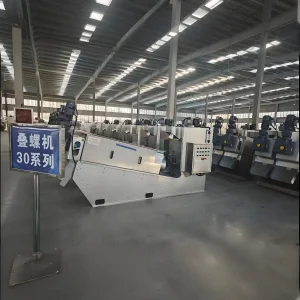
Incoming organic wastes are shredded and screened. Liquid-to-solid adjustments are automatically made to achieve optimal structural porosity. Anti-corrosive multi-disk screw presses isolate excess liquid fractions, diverting them into automated wastewater treatment systems.
Utilizing enclosed aerobic fermentation cylinders, biological reactions raise internal core temperatures above 55°C within hours. This naturally destroys pathogenic seeds, eggs, and microbes, meeting world-class biosafety regulations while generating rich soil conditioners.
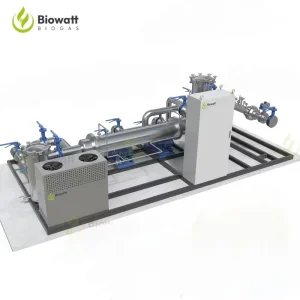
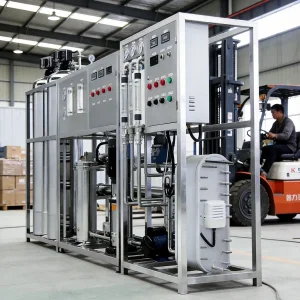
Biogas streams generated from anaerobic modules undergo physical gas scrubbing to isolate carbon dioxide and hydrogen sulfide. Treated process wastewater undergoes modular multi-stage reverse osmosis filtration to produce safe effluent for agricultural irrigation.
Decentralized systems must align with specific operational scales. Below are the core sectors where AgBio Energy systems are engineered to create immediate cost savings and environmental compliance:
For cassava pulp facilities, palm oil extraction sites, and livestock farms. The raw waste is processed directly on-site to produce high-grade organic fertilizers, which can be applied directly to plantation soils to replace expensive imported synthetic nitrogen chemicals.
Designed for hotels, commercial markets, and school dining facilities. Food prep scraps and food remains are converted into clean biogas. This gas replaces expensive butane and LPG tanks for cooking, while concurrently cutting down local refuse transport costs.
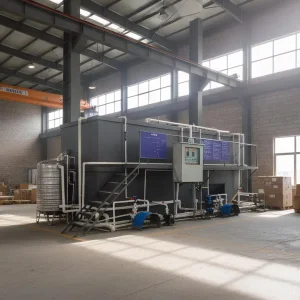
Integrated wastewater treatment and solid waste sanitation for remote hospitals, academic campuses, and municipal administrative centers. These systems ensure compliance with Benin environmental standards without requiring municipal sewer pipe connections.
Navigating the local regulatory frameworks in Benin is essential for a project's long-term success. Every system we export to West Africa is engineered to comply with the guidelines set by the ABE (Agence Béninoise pour l'Environnement) and aligned with Benin's PAG (Programme d'Action du Gouvernement) objectives for sustainable green infrastructure.
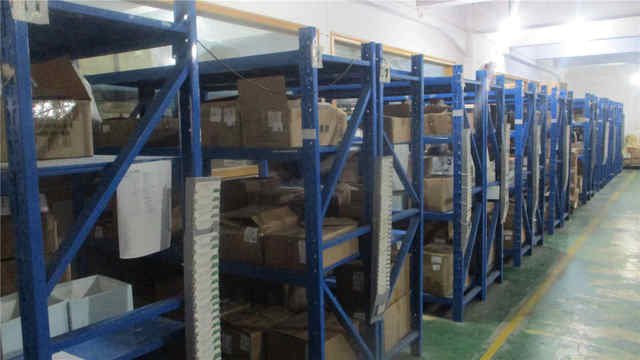
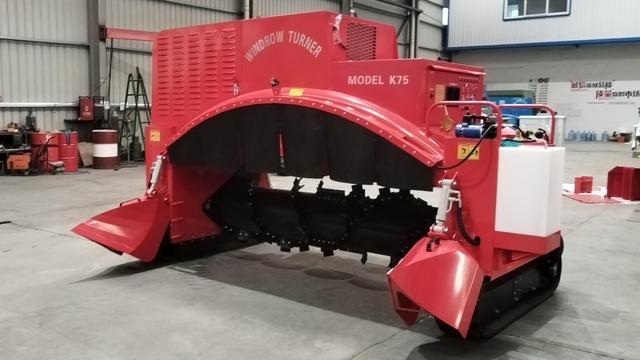
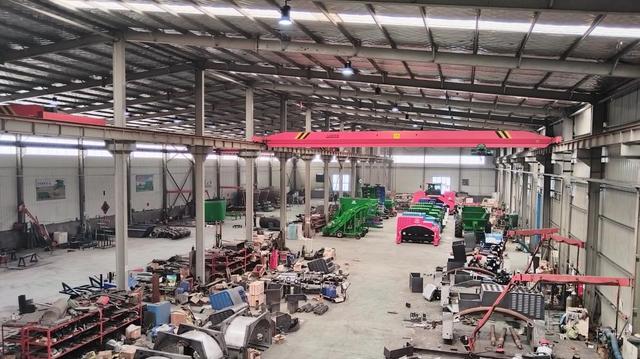
As a leading brand under Chengdu AgBio Energy Co., Ltd., we bring exceptional manufacturing capacity to international green projects. Established in 2013 and headquartered in Chengdu, Sichuan Province, China, the company is dedicated to helping businesses, agricultural operations, municipalities, and environmental service providers transform organic waste into valuable resources. With a modern manufacturing facility covering more than 16,000 square meters and a team of over 230 employees, AgBio Energy delivers efficient and environmentally responsible waste management technologies to customers around the world.
The company's product portfolio includes organic waste composting machines, food waste treatment systems, aerobic fermentation equipment, agricultural waste recycling solutions, manure composting systems, organic fertilizer production lines, municipal bio-waste treatment equipment, and intelligent composting management systems. These solutions are widely used in farms, food processing facilities, restaurants, hotels, commercial waste treatment centers, agricultural cooperatives, and municipal environmental projects.
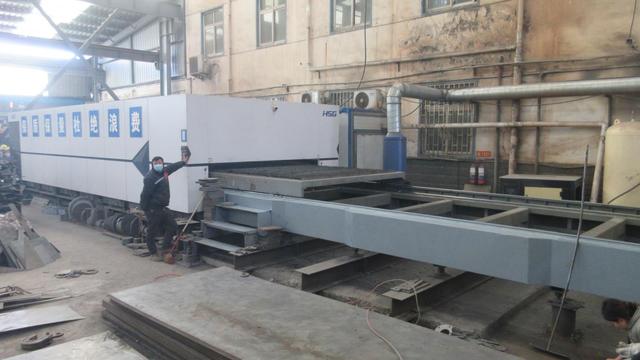
AgBio Energy integrates engineering expertise, process optimization, and advanced manufacturing technologies to develop reliable composting and organic waste recycling systems. The company operates modern production workshops, assembly lines, and testing facilities to ensure product quality, operational efficiency, and long-term reliability. Strict quality management procedures are implemented throughout product development, manufacturing, installation, and customer support processes.
In addition to standard equipment, AgBio Energy offers OEM and ODM services, providing customized waste treatment solutions tailored to specific project requirements, processing capacities, and operational environments. The company works closely with environmental organizations, agricultural enterprises, waste management operators, and project contractors worldwide.
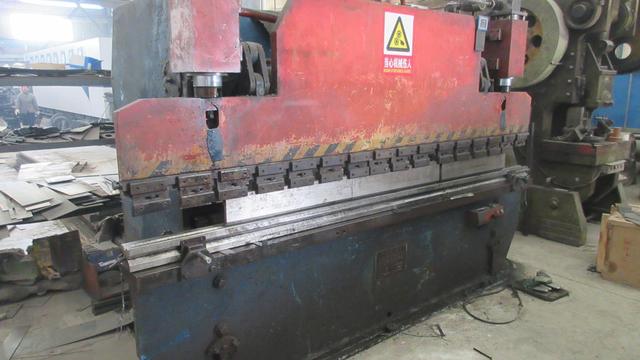
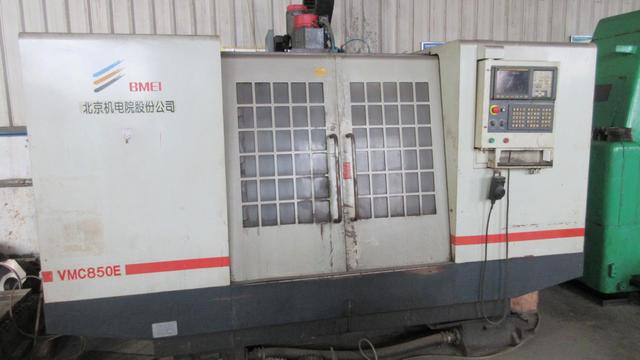
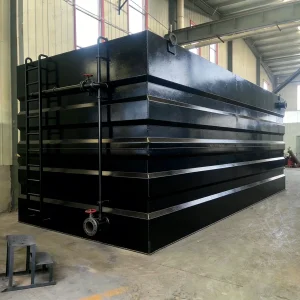
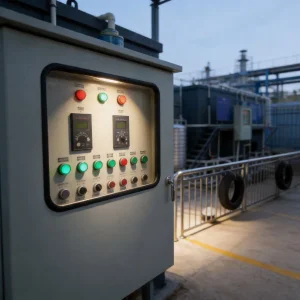
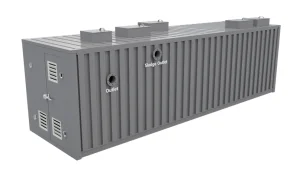
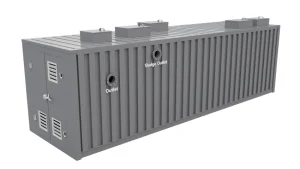
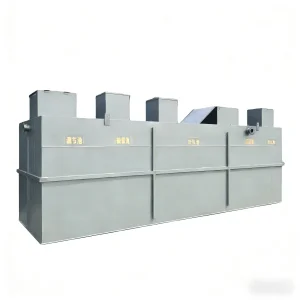
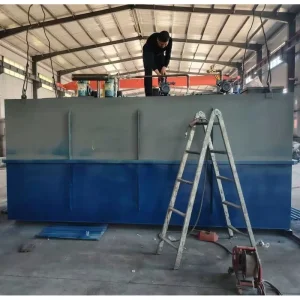
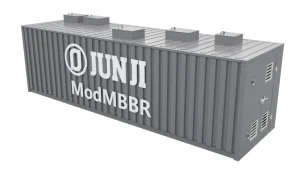
Select from our complete range of CE-certified wastewater treatment plants, reverse osmosis purification modules, and sludge processing solutions.
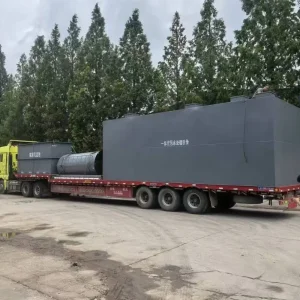
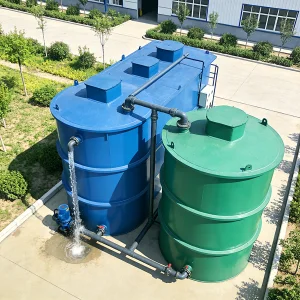
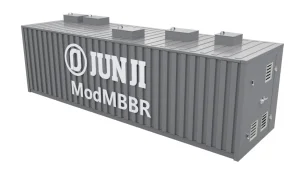
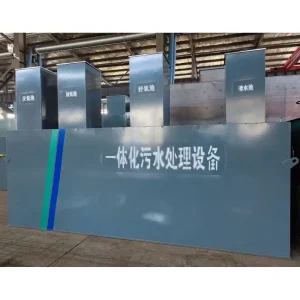
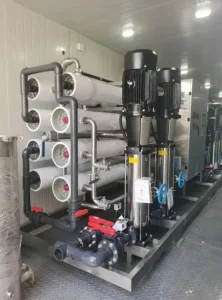
Chengdu AgBio Energy Co., Ltd. coordinates end-to-end global shipping pathways directly to the Port of Cotonou. As an experienced exporter, we align every shipment with international trade guidelines:
Our engineers customize the chamber sizing, power system, and structural coating thickness according to your local organic feedstocks and site conditions.
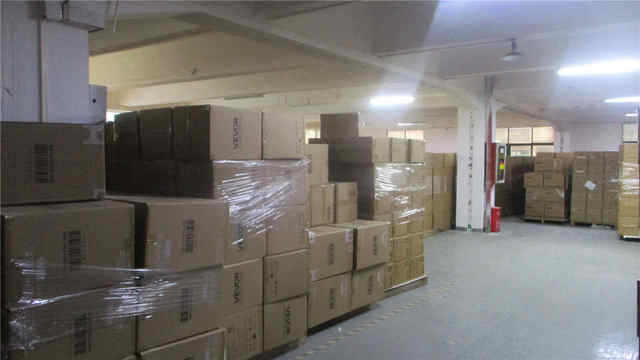
All machinery undergoes mechanical, biological, and pressure testing in Chengdu prior to packing. Third-party testing certifications (CE, ISO, SGS) are provided.
We arrange shipping using sea freight in standard or open-top containers. Complete customs document packages are prepared to ensure smooth port entry.
 AgBio Energy