Decentralized rapid organic waste recovery systems optimized for high-temperature, high-humidity environments in Cameroon.
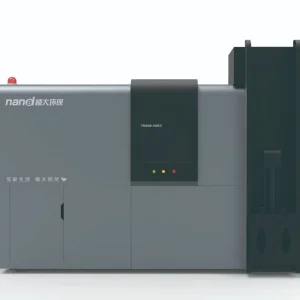
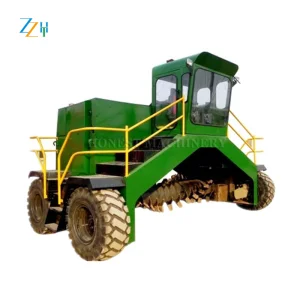
In rapid urbanizing hubs like Douala, Yaoundé, and Bafoussam, municipal solid waste management has emerged as a severe environmental bottleneck. Current estimates show that organic matter, including high-moisture agricultural products, household food waste, and cassava processing residues, constitutes over 60% of the total municipal waste stream. The typical disposal method continues to be landfilling or open-air dumping, managed under high constraints by entities like HYSACAM.
This practice produces substantial amounts of methane gas and highly hazardous toxic leachate, threatening local groundwater tables. Concurrently, Cameroon’s agricultural spine—notably cocoa plantations in the Centre and South regions, coffee farms in the West, and banana crop lands in the Southwest—suffers from soil degradation and high costs of imported chemical fertilizers. Integrating industrial Food Waste Composting Machines creates a bridge to circular agriculture, transforming municipal liability into cheap, nutrient-rich compost.
By replacing chemical inputs with organic compost generated in-situ from municipal food markets (e.g., Mfoundi Market in Yaoundé or Sandaga Market in Douala), farmers can significantly reduce input costs while reclaiming soil organic matter (SOM) depleted by monoculture.
How commercial food waste treatment is evolving from an environmental expense to an economic profit center.
Rather than transporting heavy, wet waste over hundreds of kilometers to overloaded landfills, global businesses are investing in decentralized systems. In-situ aerobic digestors utilize specialized thermophilic microbial cultures to reduce solid waste volume by up to 90% in 24 hours, mitigating transportation costs and associated emissions.
Soil degradation, synthetic fertilizer price volatility, and supply chain disruptions are forcing agro-enterprises worldwide to prioritize soil health. Advanced organic composting transforms kitchen scraps and animal manures into structured bio-fertilizers rich in nitrogen, phosphorus, potassium, and beneficial microflora.
Modern composting systems are integrated with sensor arrays monitoring moisture, temperature, and carbon dioxide concentrations. Automated aeration loops ensure optimized thermophilic profiles (55–65°C), ensuring compliance with international sanitary requirements while speeding up carbon stabilization.
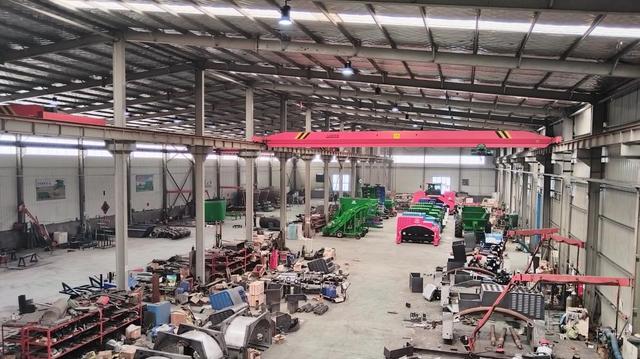
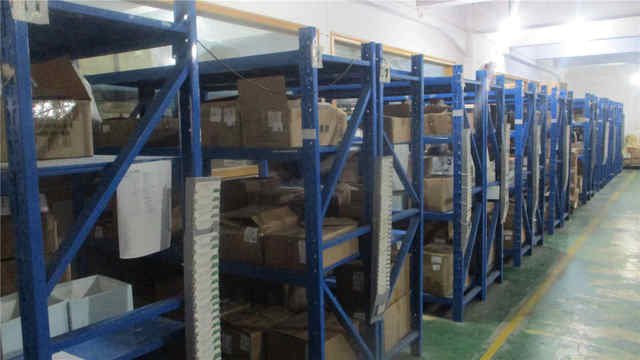
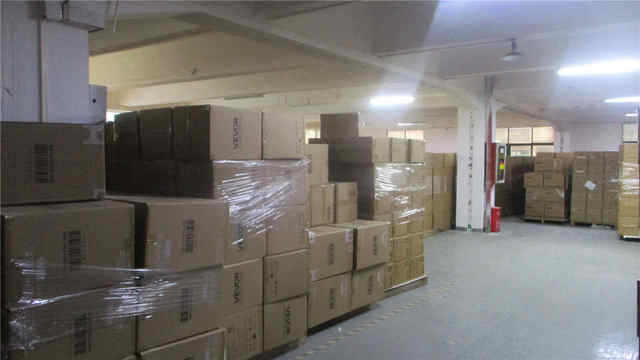
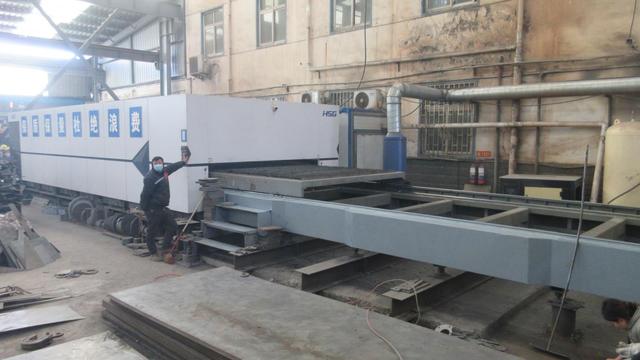
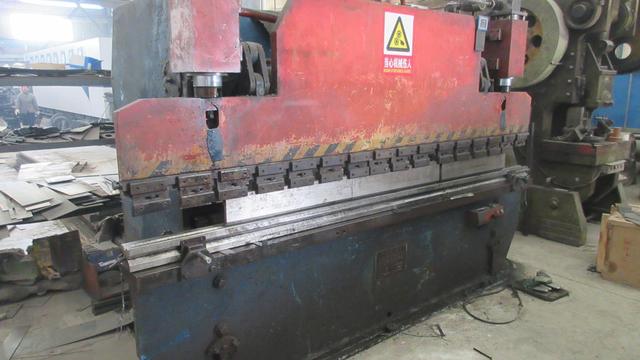
Chengdu AgBio Energy Co., Ltd. is a professional manufacturer specializing in organic waste composting equipment, food waste recycling systems, and sustainable waste treatment solutions. Established in 2013 and headquartered in Chengdu, Sichuan Province, China, the company is dedicated to helping businesses, agricultural operations, municipalities, and environmental service providers transform organic waste into valuable resources. With a modern manufacturing facility covering more than 16,000 square meters and a team of over 230 employees, AgBio Energy delivers efficient and environmentally responsible waste management technologies to customers around the world.
The company's product portfolio includes organic waste composting machines, food waste treatment systems, aerobic fermentation equipment, agricultural waste recycling solutions, manure composting systems, organic fertilizer production lines, municipal bio-waste treatment equipment, and intelligent composting management systems. These solutions are widely used in farms, food processing facilities, restaurants, hotels, commercial waste treatment centers, agricultural cooperatives, and municipal environmental projects.
AgBio Energy integrates engineering expertise, process optimization, and advanced manufacturing technologies to develop reliable composting and organic waste recycling systems. The company operates modern production workshops, assembly lines, and testing facilities to ensure product quality, operational efficiency, and long-term reliability. Strict quality management procedures are implemented throughout product development, manufacturing, installation, and customer support processes.
In addition to standard equipment, AgBio Energy offers OEM and ODM services, providing customized waste treatment solutions tailored to specific project requirements, processing capacities, and operational environments. The company works closely with environmental organizations, agricultural enterprises, waste management operators, and project contractors worldwide.
Committed to innovation, sustainability, and resource recovery, Chengdu AgBio Energy Co., Ltd. continues to support global efforts toward circular economy development, landfill reduction, and environmentally responsible organic waste management through advanced composting and recycling technologies.
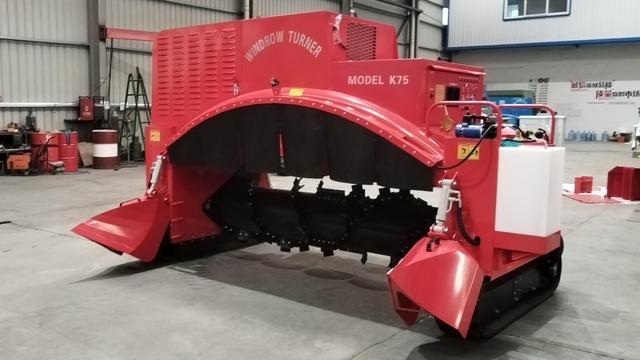
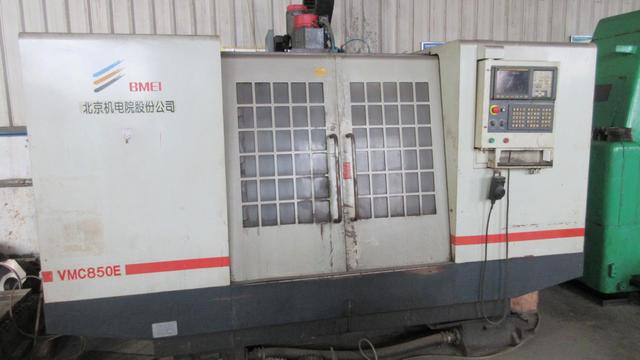
Ideal for local restaurants, apartments, and market centers within Douala and Yaoundé municipal areas.
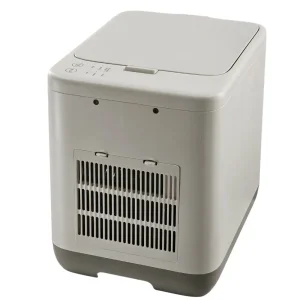
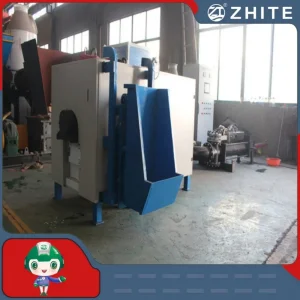
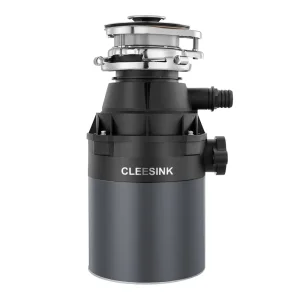
Customized operational paradigms designed for major agricultural zones and urban centers.
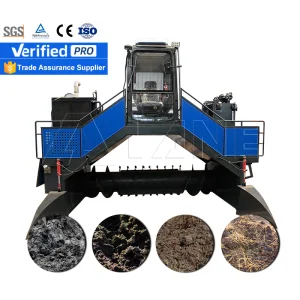
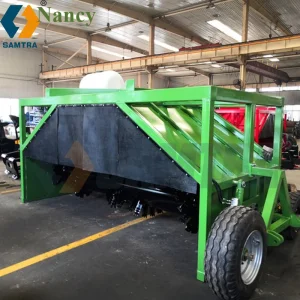
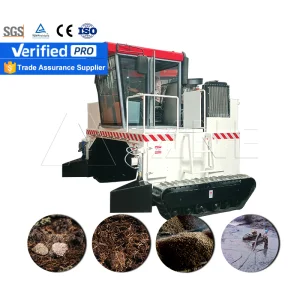
Cameroon’s cash crops require massive organic restoration. In Bafoussam, Foumban, and Bamenda, cocoa and coffee cooperative processing produces vast quantities of organic pulp and biomass. Implementing our large-scale crawler and lane type compost turners allows agricultural operators to blend crop husks with animal manure, creating valuable bulk bio-compost within 15–20 days.
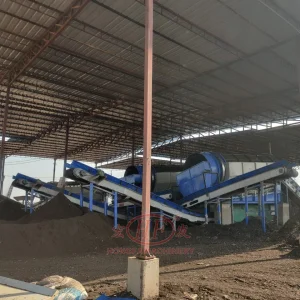
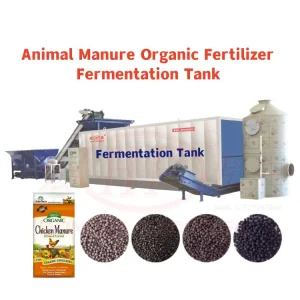
Central food markets in Douala (Sandaga) and Yaoundé (Mfoundi) generate tons of green waste daily. Large-scale anaerobic and aerobic fermentation tanks, equipped with integrated sorting, crushing, and dewatering units, process mixed municipal food wastes in a fully contained environment, mitigating odors, controlling vectors, and decreasing transportation expenses.
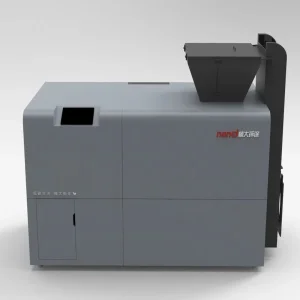
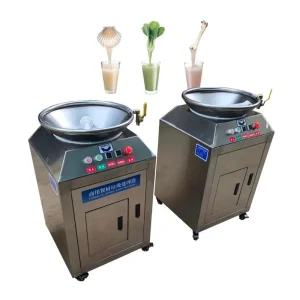
Major hotels, universities, and administrative compounds in Cameroon can process food scraps directly at the point of origin. Using our kitchen-integrated or cabinet-style 200kg/day systems reduces local transport needs. The dry, stable output has zero odor and is ready for immediately landscaping or garden application.
| Operational Aspect | Standard Configuration | Cameroon Localized Adaptations Available |
|---|---|---|
| Electrical Standards | 380V/415V, 50Hz, 3-Phase | High-tolerance industrial motors configured for local grid drops & voltage fluctuations. |
| Corrosion Resistance | SUS304 Stainless Steel | Upgrade to SUS316 for coastal zones (Douala, Limbe, Kribi) to withstand marine saline air. |
| Deodorization Systems | Bio-filtration + Carbon Adsorption | Enhanced multi-stage closed-circuit scrubbers customized for tropical high temperatures. |
| Shipping Logistics | CIF Port of Douala / Kribi | Packaged in ocean-certified seaworthy plywood cases. Support for customs documentation. |
| Operator Training | Remote Video Support | Bilingual (French/English) manuals, operational schematics, and interactive installation videos. |
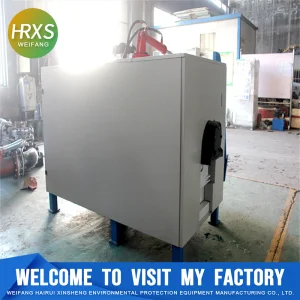
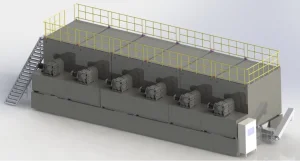
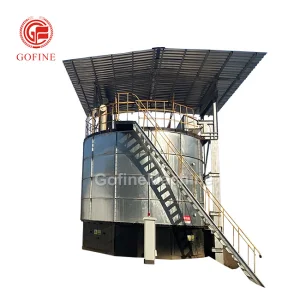
Heavy-duty fermentation systems, turners, and bioreactors for large commercial and municipal composting sites.
Technical clarifications regarding the import, installation, and operation of organic waste composting machines in Cameroon.
Connect with AgBio Energy’s technical engineers today. Get a customized layout plan, energy requirements analysis, and CIF Douala pricing for your waste conversion project.
 AgBio Energy