High-efficiency, low-emission machinery designed to process Canberra's distinct local green waste profiles under strict regional biosecurity and environmental regulations.
An authoritative analysis of regulatory demands, thermophilic carbon conversions, and municipal decentralization in the Australian Capital Territory.
The Australian Capital Territory (ACT) maintains some of the most aggressive environmental and climate action policies in the Southern Hemisphere, targetting net-zero greenhouse gas emissions by 2045. A primary vector for achieving this goal is the systemic elimination of organic materials from the landfill stream. In Canberra, municipal waste collection, institutional facilities, and private landscape operators generate thousands of tonnes of complex lignocellulose and garden waste annually.
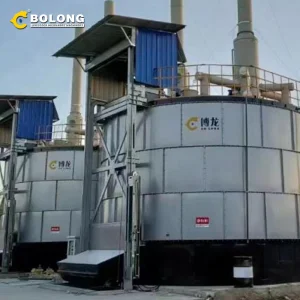
However, Canberra's unique climate—marked by frost-prone winters and intensely dry, hot summers—presents severe challenges for traditional open-air composting systems. Low winter temperatures retard microbial activity in passive compost heaps, stalling the degradation process and yielding unstable compost. Modern commercial facilities and urban developments in Canberra are rapidly adopting high-efficiency, thermal-insulated **In-Vessel Composting (IVC)** machines to bypass climatic limitations, ensuring rapid degradation cycles regardless of external weather conditions.
On a global scale, the waste management paradigm is shifting from centralized, land-intensive composting yards to decentralized, point-of-generation processing. This pivot minimizes transport emissions, lowers carbon footprints, and curtails volatile organic compound (VOC) emissions that lead to municipal odor complaints.
Global regulatory frameworks, such as the EU's Landfill Directive and California's SB 1383, are mandating strict organic waste diversion metrics. In-Vessel aerobic systems are recognized worldwide as the gold standard for compliance. These systems enforce a controlled environmental envelope where moisture, oxygen delivery, and internal thermophilic parameters are dynamically adjusted. This guarantees pathologically clean outputs (conforming to rigorous standards like Australian Standard AS4454) within a fraction of the time required by static windrows.
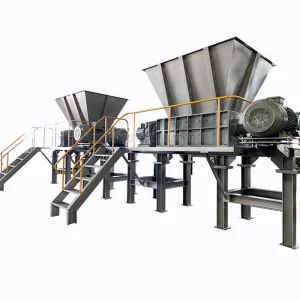
AgBio Energy's proprietary machinery utilizes optimized **aerobic thermophilic digestion**. In this process, the material is pulverized using industrial-grade shredders to increase the surface area available for microbial colonization. The material is then loaded into insulated, automated composting chambers where high-airflow, low-energy blowers maintain oxygen saturation at target thresholds (>10%).
Integrated PID controllers actively monitor the system, ensuring the biomass stays within the thermophilic heating phase (55°C to 65°C) for a minimum of 72 hours. This critical heat window completely eradicates weed seeds, pathogens (e.g., Salmonella, Escherichia coli), and insect larvae. Intelligent aeration profiles prevent anaerobic pockets, eliminating the sour, organic acids that cause offensive odor generation.
A premier global manufacturing center delivering world-class organic waste recycling systems and municipal bio-waste equipment since 2013.
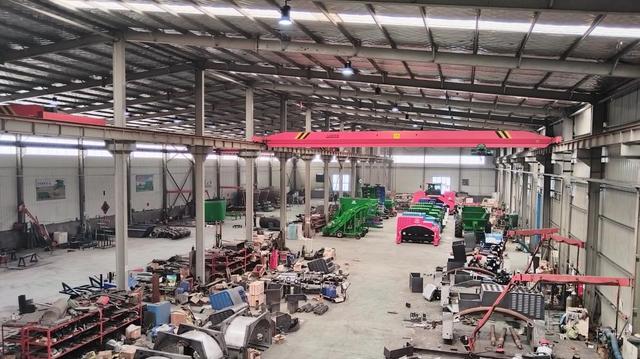
Chengdu AgBio Energy Co., Ltd. is a professional manufacturer specializing in organic waste composting equipment, food waste recycling systems, and sustainable waste treatment solutions. Established in 2013 and headquartered in Chengdu, Sichuan Province, China, the company is dedicated to helping businesses, agricultural operations, municipalities, and environmental service providers transform organic waste into valuable resources. With a modern manufacturing facility covering more than 16,000 square meters and a team of over 230 employees, AgBio Energy delivers efficient and environmentally responsible waste management technologies to customers around the world.
The company's product portfolio includes organic waste composting machines, food waste treatment systems, aerobic fermentation equipment, agricultural waste recycling solutions, manure composting systems, organic fertilizer production lines, municipal bio-waste treatment equipment, and intelligent composting management systems. These solutions are widely used in farms, food processing facilities, restaurants, hotels, commercial waste treatment centers, agricultural cooperatives, and municipal environmental projects.
AgBio Energy integrates engineering expertise, process optimization, and advanced manufacturing technologies to develop reliable composting and organic waste recycling systems. The company operates modern production workshops, assembly lines, and testing facilities to ensure product quality, operational efficiency, and long-term reliability. Strict quality management procedures are implemented throughout product development, manufacturing, installation, and customer support processes. In addition to standard equipment, AgBio Energy offers OEM and ODM services, providing customized waste treatment solutions tailored to specific project requirements, processing capacities, and operational environments. The company works closely with environmental organizations, agricultural enterprises, waste management operators, and project contractors worldwide.
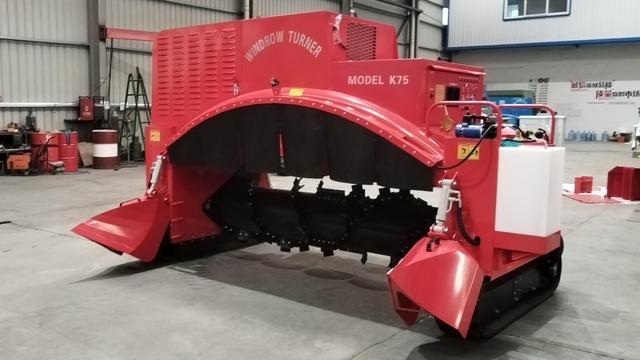
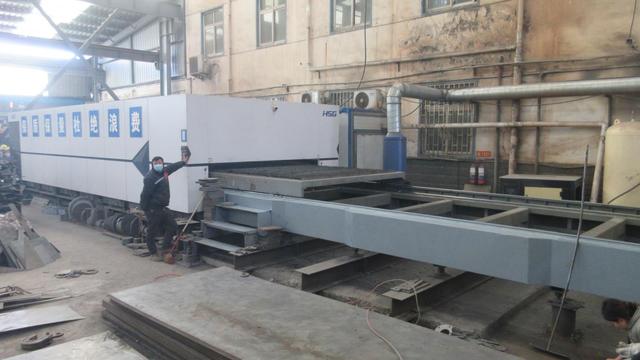
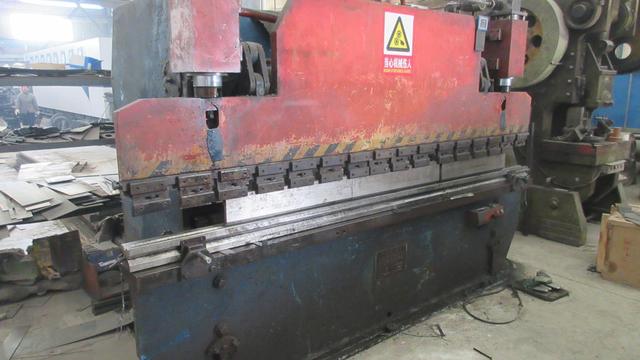
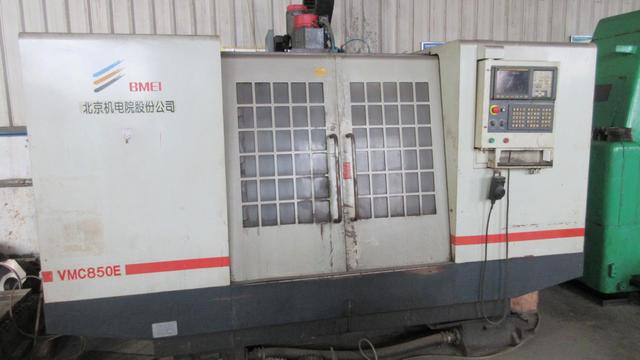
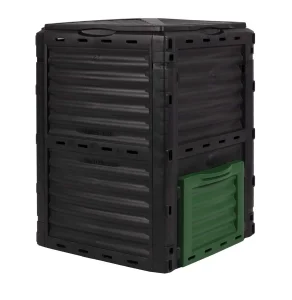
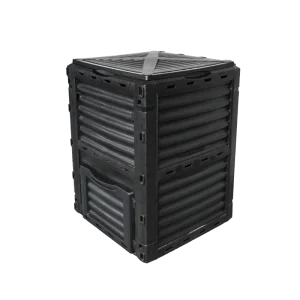
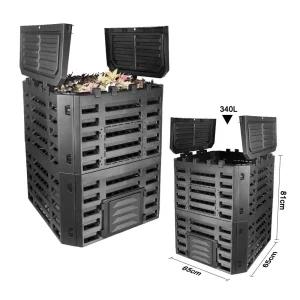
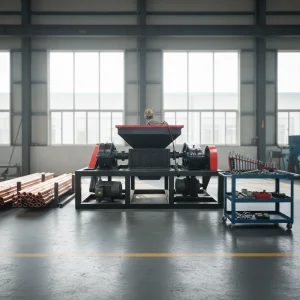
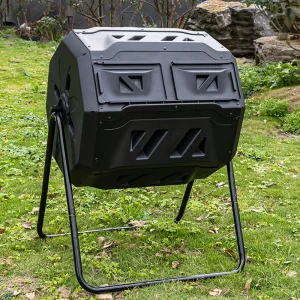
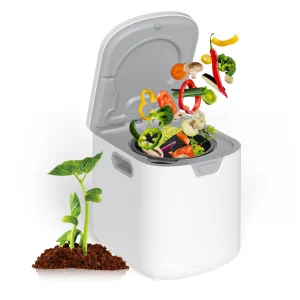
Explore our full line-up of robust composting solutions ranging from residential units to heavy-duty industrial processing installations.
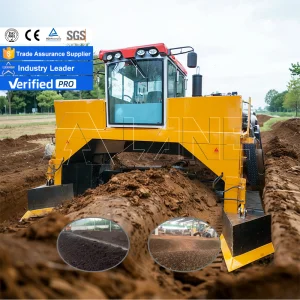
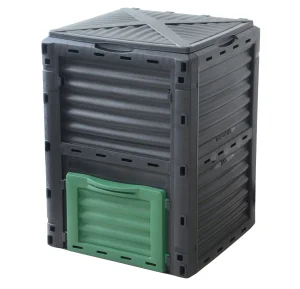
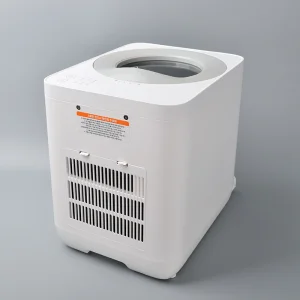
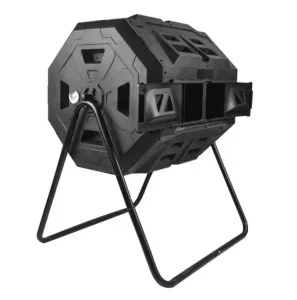
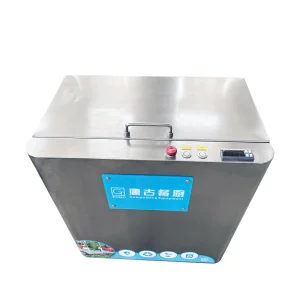
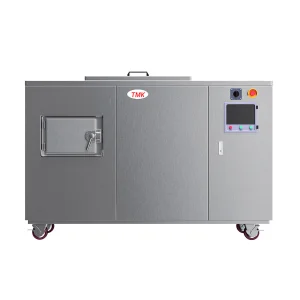
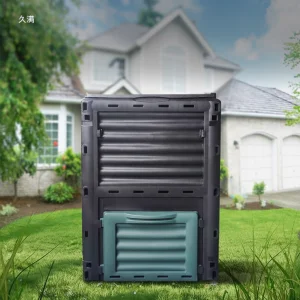
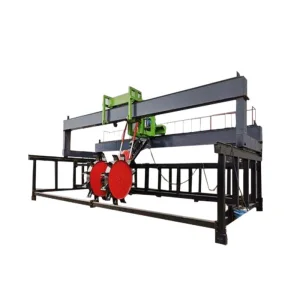
Aligning advanced chemical digestion parameters to ACT's distinct geographical and urban criteria.
As the nation's capital, Canberra hosts a massive network of government offices, defense establishments, and higher education facilities like the Australian National University (ANU). These institutions generate substantial quantities of organic food scraps combined with dry leaf litter from extensive deciduous tree plantings. Utilizing our fully enclosed, odor-controlled biological digestion systems enables these facilities to digest waste on-site, converting potential landfill volume into nutrient-dense landscaping compost, saving significant haulage costs while fulfilling public sector sustainability targets.
The surrounding rural-urban interfaces of Canberra, including areas like Pialligo, Tharwa, and Hall, support vibrant nursery, turf, and agricultural industries. These enterprises rely heavily on soil conditioning products to overcome the naturally compact, nutrient-deficient podzolic soils characteristic of the ACT. Our industrial crawler compost turners and automated vessel systems process local eucalypt mulches and organic waste into mineralized topsoil additives that meet Australian Standard AS4454, increasing water retention capacity—a critical factor in the fire-prone Canberra region.
To successfully integrate a high-capacity composting plant into a Canberra commercial property or municipal depot, the following engineered stages are executed:
Crucial engineering, operational, and regulatory insights for environmental managers and commercial buyers in Canberra.
Canberra experiences significant winter frosts and freezing overnight temperatures, which drop open windrow temperatures and halt biological degradation. Our In-Vessel units are heavily insulated and feature active PID thermal tracking, ensuring the composting mass stays in the high-metabolic thermophilic range (55-65°C) regardless of external weather conditions. This also ensures complete pathogen and weed seed destruction in compliance with Australian Standard AS4454.
Eucalyptus leaves contain thick waxy cuticles and volatile oils that inhibit rapid microbial decomposition. Our systems address this through initial high-torque shredding (via our industrial trash and organic waste shredders) to break the protective cuticle layers. This is followed by automated moisture balancing and thermophilic biological control, accelerating eucalyptus degradation and neutralising organic acids.
We provide full OEM and ODM services. Customizations include electrical component updates matching Australian voltage/frequency (415V 3-phase, 50Hz), PLC software upgrades with localized telemetry integration, and specific structural layouts. Normal lead times for customized industrial machines span 6 to 8 weeks from design sign-off to final quality testing at our 16,000 sqm Chengdu facility.
Odors are caused by anaerobic fermentation when organic waste lacks oxygen. Our machines use continuous oxygen monitoring and positive-pressure aeration to keep the system entirely aerobic, preventing the formation of sour organic acids and hydrogen sulfide. Additionally, all exhaust air is processed through integrated bio-filters or active carbon filters, ensuring odor-free operation in urban and commercial zones.
Yes. The ACT government regularly offers funding, grants, and tax incentives under its circular economy initiatives and waste-diversion programs to encourage local businesses to implement on-site organic recycling. We supply comprehensive technical documentation, energy metrics, and landfill diversion projections to support our clients' grant application processes.
 AgBio Energy