Rapid aerobic degradation technology customized for extreme humidity, variable altitudes, and dense urban environments in Kathmandu.
The Kathmandu Valley—comprising Kathmandu Metropolitan City (KMC), Lalitpur Metropolitan City, Bhaktapur Municipality, and surrounding peri-urban zones—faces an unparalleled solid waste management crisis. Historically reliant on distant, environmentally stressed disposal sites such as Sisdol and Banchare Danda, the region generates over 1,200 metric tons of municipal solid waste (MSW) daily. Technical audits reveal that approximately 65% to 75% of this waste stream consists of highly biodegradable organic fraction (OFMSW), characterized by moisture levels ranging from 60% to 75%, high nitrogen contents from kitchen/vegetable market operations, and high seasonal variations driven by the Himalayan monsoon cycle.
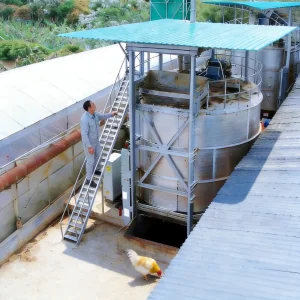
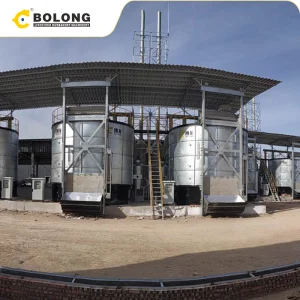
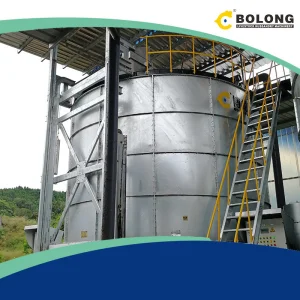
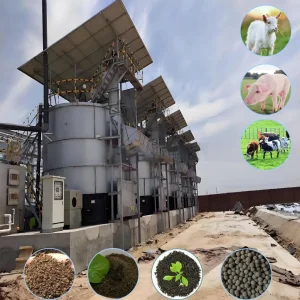
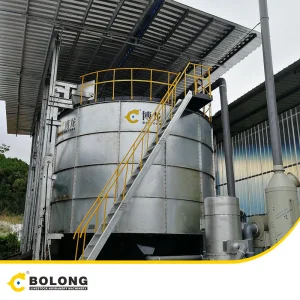
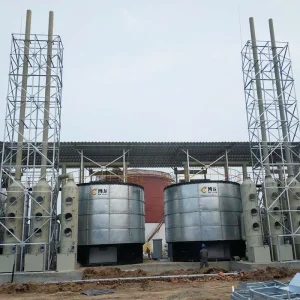
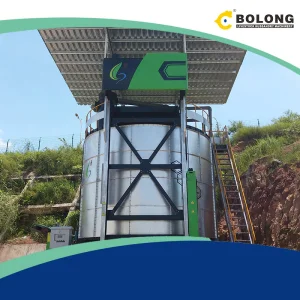
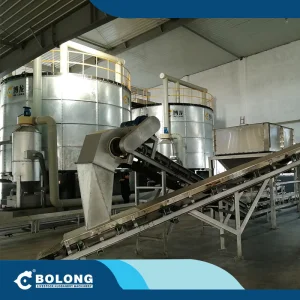
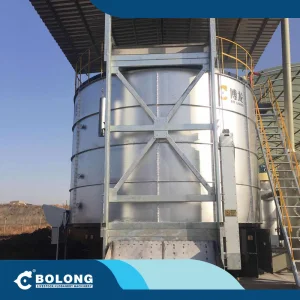
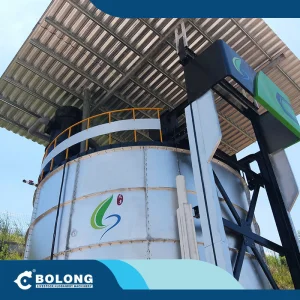
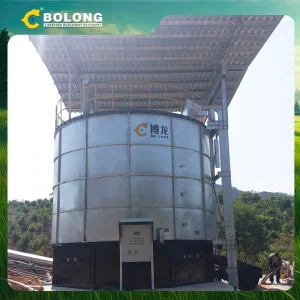
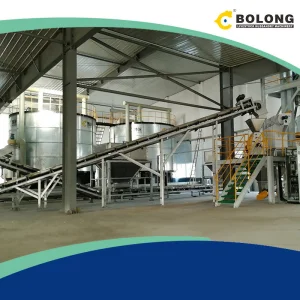
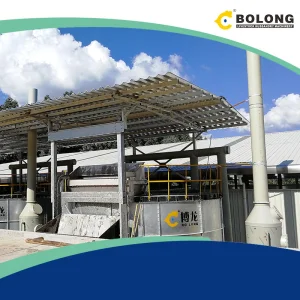
Traditional open windrow composting and open dumping fail in the Kathmandu Valley due to severe spatial constraints, high land costs, heavy monsoon precipitation leading to catastrophic leachate leakage, and public resistance to foul odors. As a preeminent In-Vessel Composting Machine Supplier & Exporter serving Kathmandu, Chengdu AgBio Energy Co., Ltd. supplies industrial-grade, fully enclosed, aerobic bio-reactors engineered to transform Kathmandu’s organic waste challenges into stabilized, microbially rich organic fertilizers within an automated 7-to-14-day fermentation cycle.
Requires less than 15% of the footprint of conventional windrow systems. Ideal for tight industrial plots, hotel backyards, and municipal transfer stations in Kathmandu.
Fully insulated thermal pressure vessels guarantee uninterrupted thermophilic breakdown (60°C–70°C) even during Kathmandu’s coldest winter nights or torrential monsoon downpours.
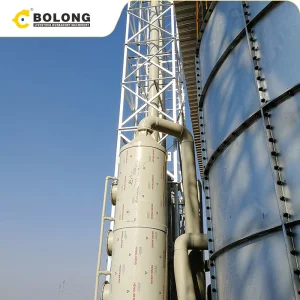
Negative pressure airflow coupled with multi-stage biological deodorization filters guarantees zero volatile organic compound (VOC) emissions or noxious odors in densely populated districts.
Operating aerobic composting systems at Kathmandu’s elevation (approximately 1,400 meters above sea level) presents distinct thermodynamic and biological conditions. Lower ambient atmospheric pressure influences gas exchange rates and moisture evaporation. AgBio Energy’s continuous-feed vertical and horizontal bioreactors integrate smart oxygen sensor loops and variable-speed forced-air blowers to ensure optimal microbial respiration regardless of barometric fluctuations.
Inside our sealed stainless steel fermenters, organic waste undergoes three engineered biological decomposition phases:
| Performance Parameter | AgBio Energy In-Vessel Bioreactor | Traditional Open Windrow Composting |
|---|---|---|
| Retention / Processing Time | 7 to 10 Days | 60 to 90 Days |
| Footprint Requirement | 15 - 50 m² (Ultra-compact vertical design) | 500 - 2,000 m² (Extensive land area) |
| Odor & Vector Control | 100% Sealed with Negative Pressure Bio-filters | Uncontrolled emissions, high fly/rodent risk |
| Weather Dependency | 100% Climate Independent (Insulated Vessel) | Severe delays during Kathmandu Monsoon Season |
| Automation Level | Siemens PLC Smart Control with Remote IoT Monitoring | Manual turning required with heavy labor reliance |
| Leachate Generation | Zero external leachate discharge (Internal condensate recycling) | High leachate runoff risking local groundwater pollution |
Tailored organic waste reduction architectures for municipal bodies, commercial hospitality clusters, and agricultural cooperatives across Nepal.
Kathmandu’s major fresh food hubs generate dozens of tons of high-moisture fruit and vegetable scrap daily. Our heavy-duty shredding and continuous-feed vessel systems process wet organic matter efficiently without clogging.
Luxury hotels and restaurant zones produce high-protein food waste. Compact vertical in-vessel units fit into underground service bays, eliminating kitchen waste within 24 hours while suppressing odors.
High-density poultry farms and dairy units utilize our specialized manure fermentation tanks to rapidly convert animal dung into weed-free, high-nitrogen bio-fertilizer for local tea gardens and vegetable plots.
Speak with AgBio Energy’s senior waste management engineers to custom-design your In-Vessel Composting plant today. Fully localized specifications available for Nepal power grids and environmental conditions.
Send Inquiry NowGlobal leader in aerobic biological fermentation equipment and organic waste valorization engineering.
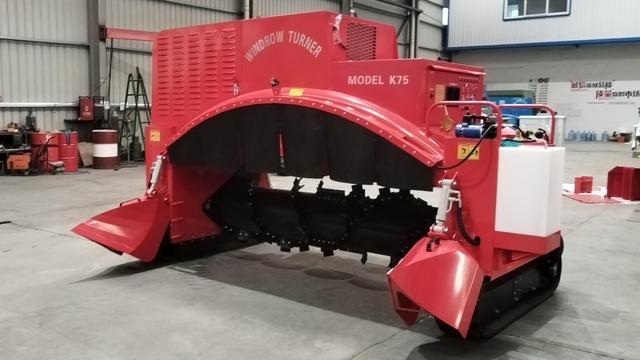
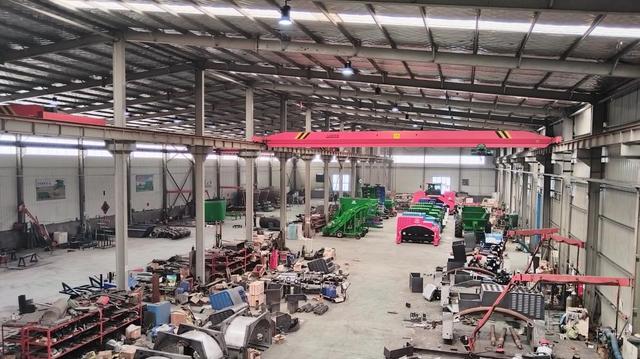
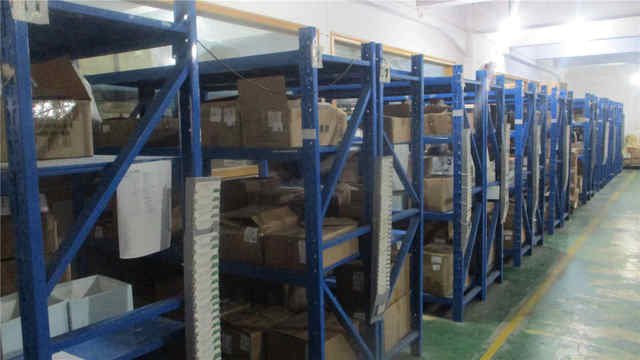
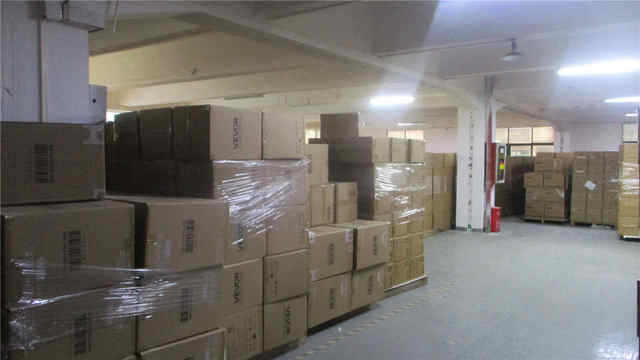
Chengdu AgBio Energy Co., Ltd. is a professional manufacturer specializing in organic waste composting equipment, food waste recycling systems, and sustainable waste treatment solutions. Established in 2013 and headquartered in Chengdu, Sichuan Province, China, the company is dedicated to helping businesses, agricultural operations, municipalities, and environmental service providers transform organic waste into valuable resources. With a modern manufacturing facility covering more than 16,000 square meters and a team of over 230 employees, AgBio Energy delivers efficient and environmentally responsible waste management technologies to customers around the world.
The company's product portfolio includes organic waste composting machines, food waste treatment systems, aerobic fermentation equipment, agricultural waste recycling solutions, manure composting systems, organic fertilizer production lines, municipal bio-waste treatment equipment, and intelligent composting management systems. These solutions are widely used in farms, food processing facilities, restaurants, hotels, commercial waste treatment centers, agricultural cooperatives, and municipal environmental projects.
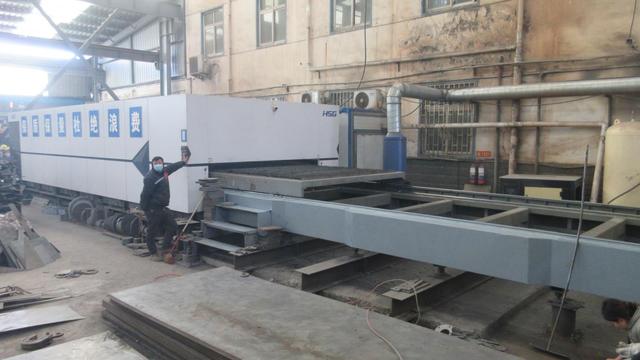
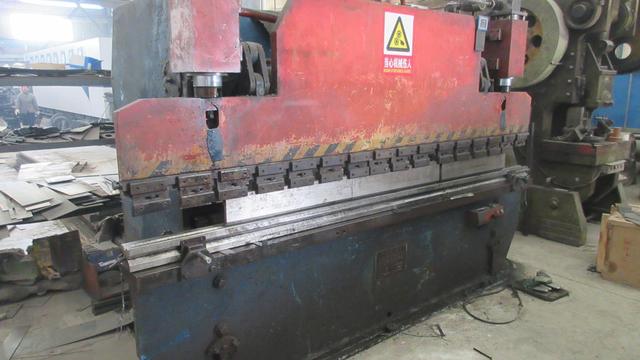
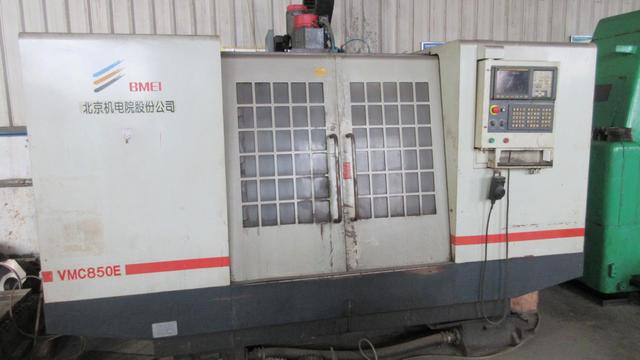
AgBio Energy integrates engineering expertise, process optimization, and advanced manufacturing technologies to develop reliable composting and organic waste recycling systems. The company operates modern production workshops, assembly lines, and testing facilities to ensure product quality, operational efficiency, and long-term reliability. Strict quality management procedures are implemented throughout product development, manufacturing, installation, and customer support processes.
In addition to standard equipment, AgBio Energy offers OEM and ODM services, providing customized waste treatment solutions tailored to specific project requirements, processing capacities, and operational environments. The company works closely with environmental organizations, agricultural enterprises, waste management operators, and project contractors worldwide.
Committed to innovation, sustainability, and resource recovery, Chengdu AgBio Energy Co., Ltd. continues to support global efforts toward circular economy development, landfill reduction, and environmentally responsible organic waste management through advanced composting and recycling technologies.
Next-generation technological milestones driving smart organic waste transformation in South Asia.
Integration of real-time optical spectroscopy and NIR moisture sensors to automatically calibrate paddle agitation speed, oxygen injection levels, and thermal insulation cycles.
Incorporation of integrated solar-thermal fluid loops to lower grid electricity consumption during microbial warm-up cycles, critical for off-grid operations in rural Nepal.
Deployment of IoT-interconnected municipal micro-vessels across all wards of Kathmandu Metropolitan City, linked to a central carbon credit and soil nutrient distribution dashboard.
Expert insights on grid power compatibility, winter performance, operational ROI, and localized bio-fertilizer utilization.
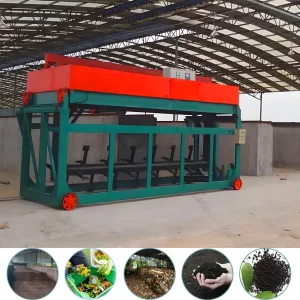
Comprehensive range of aerobic fermentation bioreactors, manure treatment tanks, and organic recycling systems.
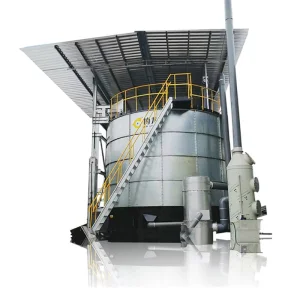
Partner with Chengdu AgBio Energy Co., Ltd. for end-to-end engineering, custom vessel fabrication, installation, and after-sales service across Nepal.
Send Inquiry Now AgBio Energy