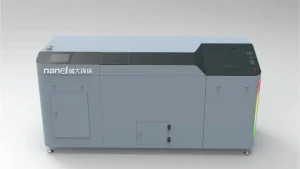
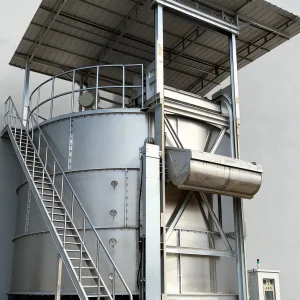
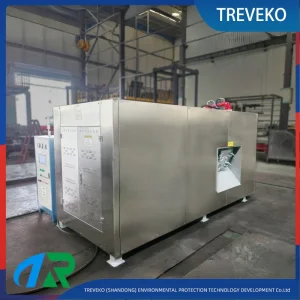
Explore our flagship high-temperature aerobic fermentation technologies engineered to tackle complex agricultural and organic waste streams efficiently.
Gitarama, historically structured as a vital economic gateway within Rwanda's Southern Province, stands at a critical junction of agricultural intensification and rapid urbanization. With local economies heavily relying on coffee cultivation, cassava processing, horticulture, and livestock (specifically intensive poultry and swine production), waste streams have surged. Unmanaged organic waste threatens the ecologically sensitive Nyabarongo River basin and generates significant greenhouse gas emissions.
Traditional open-air composting in Rwanda's wet tropical climate is hindered by excessive humidity, which induces anaerobic zones, severe odor issues, and nutrient leaching. Our computerized, fully closed aerobic fermentation tanks are designed to isolate composting processes from external precipitation. By introducing precision moisture, aeration, and thermal controls, Gitarama's municipal authorities and local cooperatives can convert organic waste streams into nutrient-rich organic fertilizers that neutralize the naturally acidic soils of the Southern Province.
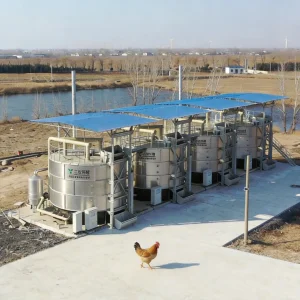
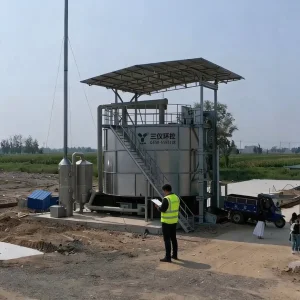
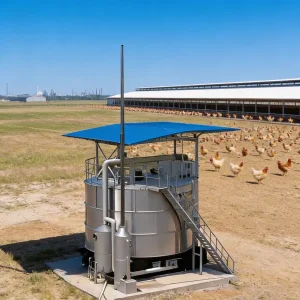
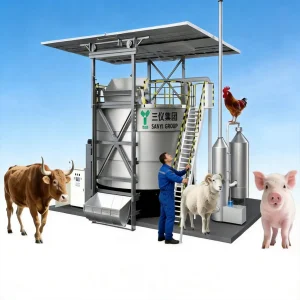
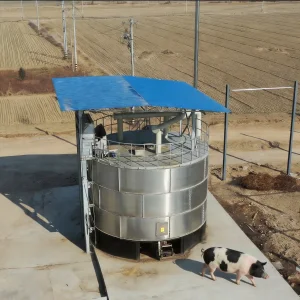
Robust vertical and horizontal vessels designed for heavy manure inputs and consistent compost yield.
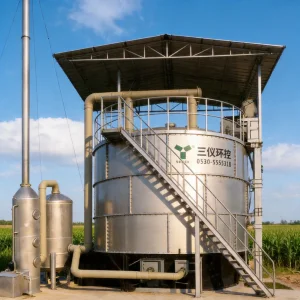
How modern technology interfaces with policy, economics, and biological science to redefine global resource recovery.
Decentralized composting systems are shifting toward smart cloud monitoring. Today's commercial biomanagement setups utilize oxygen sensors and telemetry probes to optimize microbial respiration remotely, maximizing digestion speeds and minimizing labor requirements.
Under Article 6 of the Paris Agreement, projects that divert organic waste from landfills to aerobic composting qualify for carbon offset credits. By replacing methane-producing anaerobic landfill degradation with rapid aerobic stabilization, operators generate verifiable carbon savings.
Volatile global mineral fertilizer markets have driven municipal agricultural planners and large farms to secure domestic bio-fertilizer production capabilities. Modern smart composting converts regional manure and crop residues into high-nutrient fertilizers, insulating local food production from global import shocks.
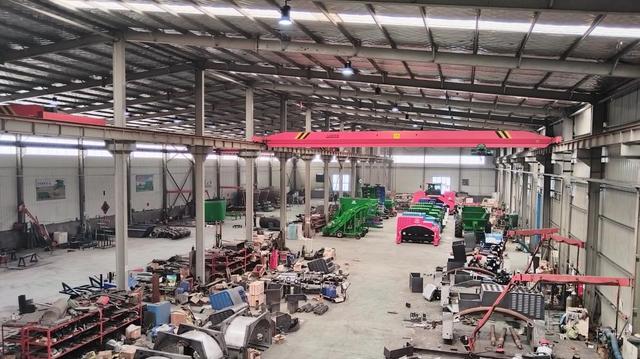
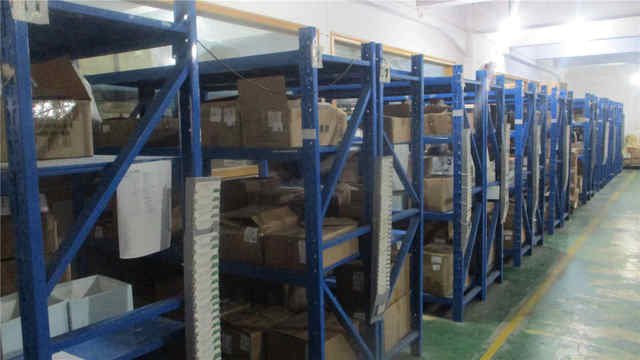
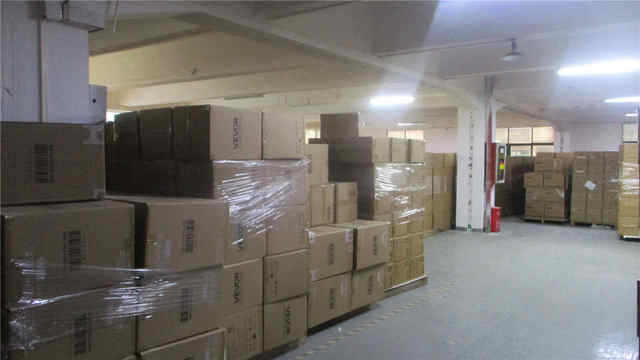
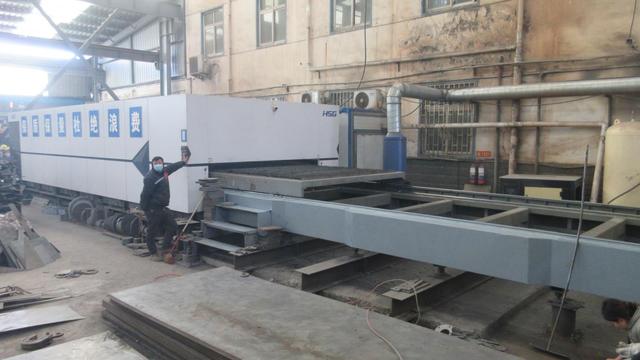
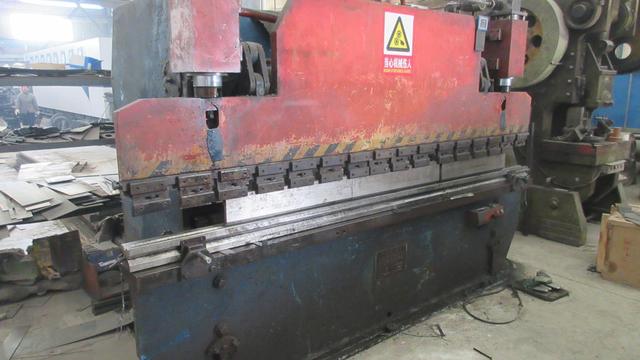
Chengdu AgBio Energy Co., Ltd. is a professional manufacturer specializing in organic waste composting equipment, food waste recycling systems, and sustainable waste treatment solutions. Established in 2013 and headquartered in Chengdu, Sichuan Province, China, the company is dedicated to helping businesses, agricultural operations, municipalities, and environmental service providers transform organic waste into valuable resources. With a modern manufacturing facility covering more than 16,000 square meters and a team of over 230 employees, AgBio Energy delivers efficient and environmentally responsible waste management technologies to customers around the world.
Our competitive edge lies in the combination of robust Chinese industrial supply chains, advanced metallurgy, and strict compliance with global quality and environmental standards. AgBio Energy integrates engineering expertise, process optimization, and advanced manufacturing technologies to develop reliable composting and organic waste recycling systems. We operate modern production workshops, assembly lines, and testing facilities to ensure product quality, operational efficiency, and long-term reliability. Strict quality management procedures are implemented throughout product development, manufacturing, installation, and customer support processes.
By leveraging proximity to Sichuan's high-tech metal fabrication clusters, we reduce raw material costs and optimize transport logistics. In addition to standard equipment, AgBio Energy offers comprehensive OEM and ODM services, providing customized waste treatment solutions tailored to specific project requirements, processing capacities, and operational environments. The company works closely with environmental organizations, agricultural enterprises, waste management operators, and project contractors worldwide.
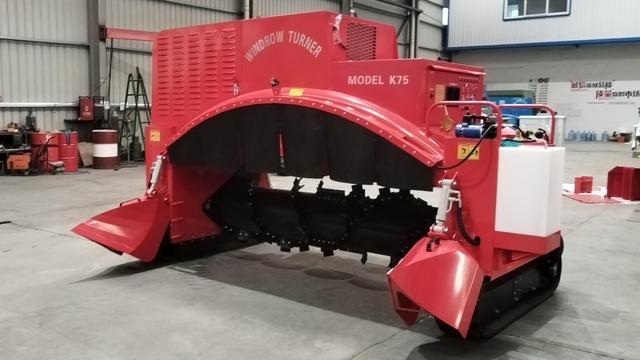
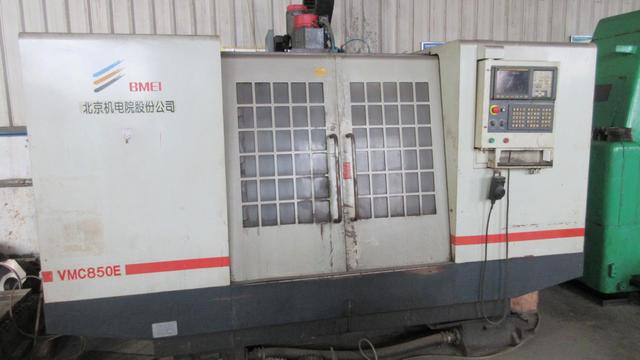
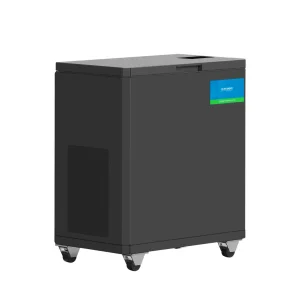
Explore our full range of automated waste converters, high-volume aerobic tanks, and municipal food waste recyclers.
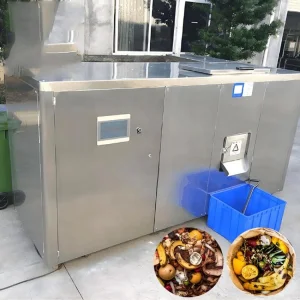
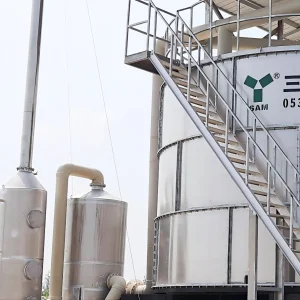
A comprehensive framework for evaluating commercial composting systems for Gitarama's environmental landscape.
For large-scale agricultural projects and municipal solid waste contracts, selecting a processing system requires evaluating the biological characteristics of local inputs. Key performance indicators (KPIs) include:
| Parameters | Standard Requirements |
|---|---|
| Input Moisture Range | 50% - 60% (Optimal) |
| Processing Cycles | 7 to 14 days |
| Odor Scrubbing | Biofilter + UV Photo-Oxygenation |
| Heating Requirement | Biological self-heating (Thermophilic) |
Expert insights on organic waste fermentation systems, international logistics, and localized setups in Gitarama.
Yes. Raw materials in Gitarama, such as banana biomass, kitchen waste, and coffee pulping waste, usually have moisture levels exceeding 70%. Our systems solve this through mechanical dewatering units (e.g., our Commercial Dewatering Machines) and by blending high-moisture waste with dry carbon-rich bulking agents like crop residues, sawdust, or dried grass. Real-time aeration and temperature control speed up moisture evaporation during the biological process.
Our bio-controlled systems feature fully enclosed vessels operating under negative pressure. Air is drawn out through a multi-stage scrubbing system consisting of water spray towers (to remove ammonia and heat) and bio-filtration modules populated with specialized microbial media. This ensures that exhaust air meets strict local and international environmental standards, allowing installation near urban centers like Muhanga and Gitarama municipal markets.
The systems run on industrial-grade three-phase electricity (380V/50Hz). However, because they rely on aerobic microbes to generate process heat (raising temperatures to 60°C naturally), energy consumption is minimal. Electricity is used primarily for ventilation blowers, mechanical mixing paddles, and automated discharge augers.
Yes, we manage logistics to East African hubs via the Port of Dar es Salaam or Mombasa, followed by overland transport directly to Gitarama. We provide remote site preparation engineering designs, and our technical team can travel to Gitarama to handle assembly, dry commissioning, PLC software setup, and local staff training.
By monitoring the temperature profiles inside the reactor core, the PLC automation maintains the material at temperatures above 55–60°C for at least 72 consecutive hours. This thermal profile conforms to international biological health regulations, effectively sanitizing weed seeds, larvae, and human/animal pathogens like Salmonella and E. coli, resulting in clean, agricultural-grade organic fertilizer.
 AgBio Energy